Trump’s Executive Order Targets Veterans’ Benefits and Opportunities
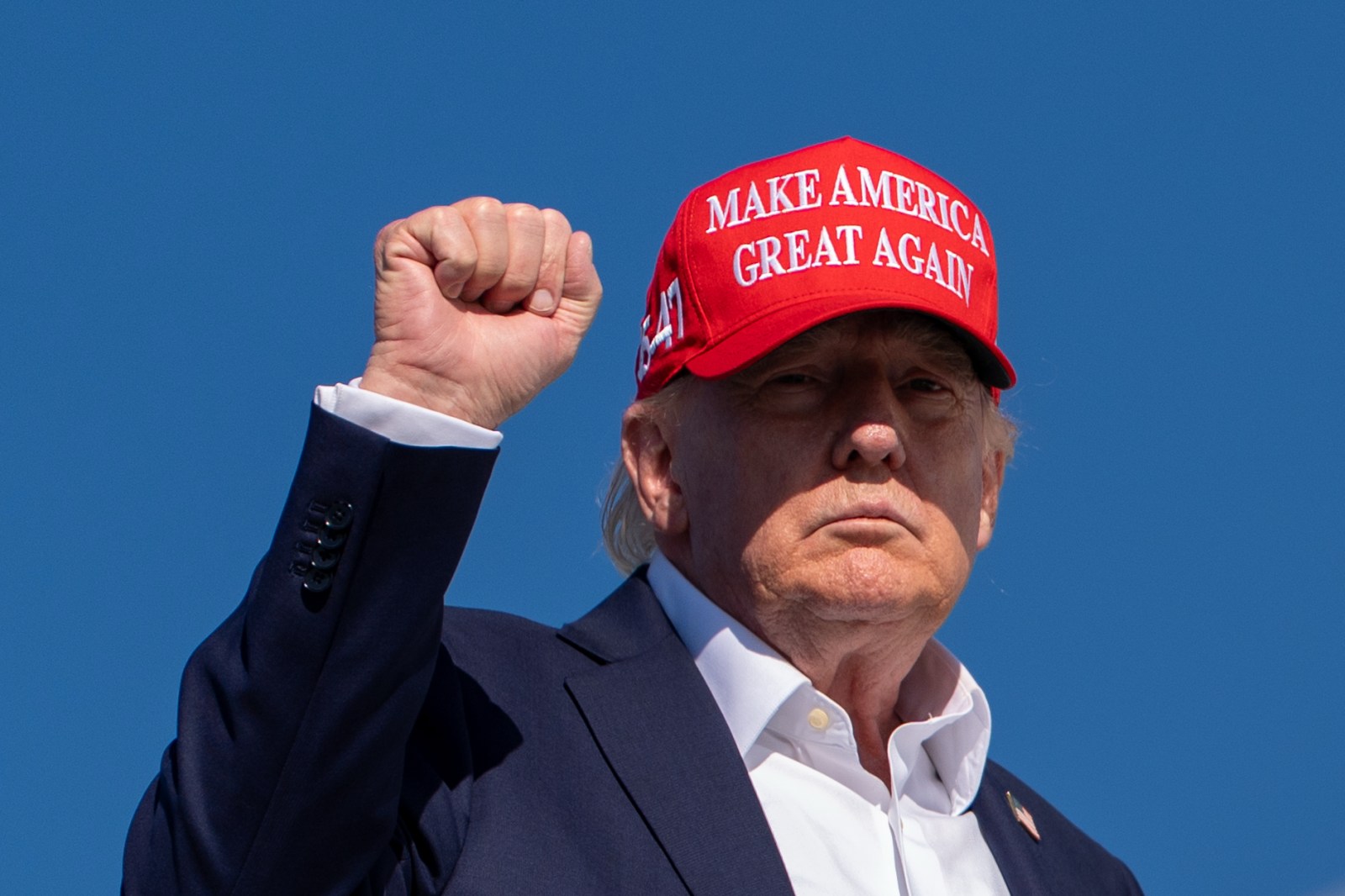
President Donald Trump signed an executive order designed to expedite veterans’ access to federal benefits and job opportunities. The administration aims to address delays stemming from outdated systems.
Modernizing Record Management
The order instructs the Departments of War and Veterans Affairs to update their management and sharing of service members’ records. The Department of Labor is also involved in enhancing career guidance, training, and job opportunities for veterans.
Reducing Administrative Delays
Administrative delays can occur when service members leave the military and begin using the VA system. The order requires systems to share personnel files and service treatment records during a member’s military career and into their time receiving VA benefits. Records will be transferred to the VA when a service member leaves the Armed Forces to facilitate efficient processing of applications.
Current outdated systems can cause delays of 90 to 180 days in transferring transitioning service members’ profiles, affecting healthcare, benefits processing, education, and job training.
Introducing Digital Tools
The order calls for new digital tools, including artificial intelligence (AI), to assist veterans in accessing benefits and employment services. Although AI is part of the order, increased efficiency rather than guaranteed faster benefits is the goal.
Potential for Faster Benefits
The White House points to more than 70,000 transitioning service members affected by these issues. A notable backlog during the Biden administration reached around 378,000, highlighting the need for reform. The effectiveness of the order depends on how rapidly agencies implement changes and the systems’ functionality.
How AI Fits In
AI is a key component of the order. The Departments of War and Veterans Affairs are tasked with creating digital tools using AI and other technologies. These tools aim to modernize processes that rely heavily on paperwork and outdated data-management systems.
While AI won’t make qualification decisions independently, it promises to streamline processes. VA Secretary Doug Collins noted that paperwork-heavy procedures can deter veterans from filing claims.
Implications for Departing Military Personnel
The order’s immediate impact may be most significant for those transitioning from active military service. Departing members will connect with veterans specialists who assist with healthcare, disability, home-loan, employment, and education applications. Additionally, transitioning members will be directed to relevant job opportunities, education, training, or apprenticeships.
The Departments of War, Veterans Affairs, and Labor are tasked with improving career guidance and job opportunities for veterans, making the civilian transition smoother.
No New Benefits Created
The executive order does not establish new VA benefits or increase current payments. Instead, it focuses on improving existing benefits access. Key areas include data sharing, paperwork reduction, administrative delay reduction, technology introduction, and assistance for military personnel transitioning to civilian life.
The order also intends to tackle fraud within the benefits system, facilitating legitimate claims. The potential advantage for veterans lies in accessing existing services with fewer obstacles.