Trump’s Legislative and Executive Strategy to Challenge Elections
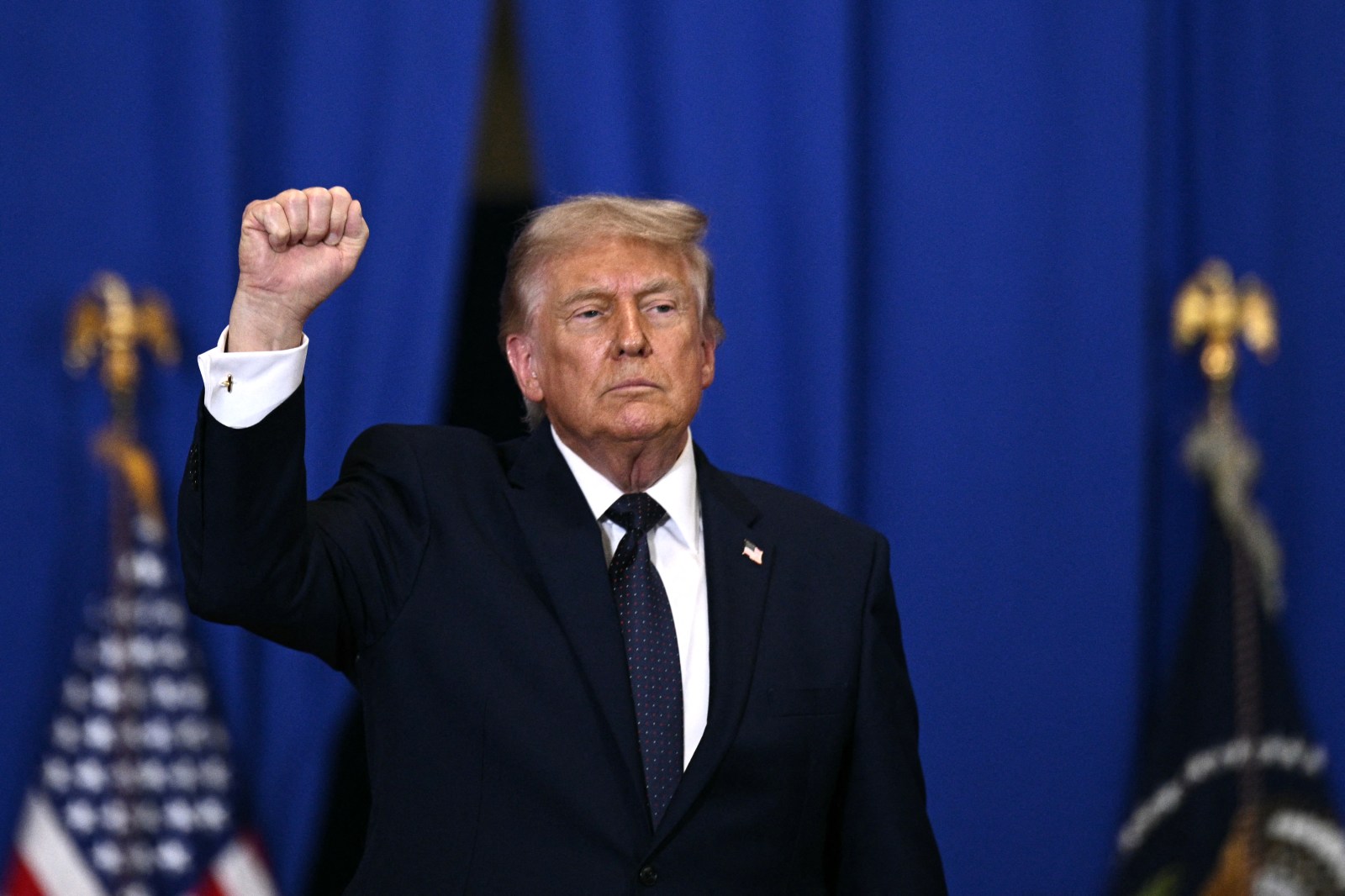
Former President Donald Trump has startled observers by retracting his nomination for the director of national intelligence and withdrawing support for a bipartisan housing bill. These actions are attempts to force Congress into passing his “Save America Act.” This proposed legislation would introduce significant changes to the election system, aiming to reduce voter participation from certain groups.
Trump seeks congressional approval for measures requiring proof of citizenship, which many Americans would struggle to provide. Additionally, the legislation would restrict mail-in voting without a demonstrated need to vote in person. However, there appears to be insufficient support in the Senate for passing this bill. Without it, Trump may continue to rally his supporters with claims of election fraud and alleged voting by illegal immigrants.
There is concern that Trump might find ways to impact election outcomes without Congress through actions he considers within his executive power. This behavior seems plausible, considering his conduct on January 6 and actions such as pardoning individuals from that event. Jonathan Winer, a former State Department official, outlined this scenario in an article for The Washington Spectator, noting Trump’s potential strategies for contesting future elections.
The FBI’s decision to re-examine Georgia’s 2020 election results, despite no prior findings of irregularity, illustrates extraordinary measures taken by Trump’s administration. Actions include directives to compile citizenship lists, challenging the decentralized election system, and instituting regulations hindering absentee ballot delivery.
Winer describes a scenario where Trump declares an election fraudulent, commands investigations, and pressures Congress to disregard results favoring Democrats. This strategy is aimed at maintaining Republican control at any cost.
These actions would likely face legal challenges and protests, which Trump could portray as threats to democracy. His administration has previously characterized domestic demonstrations as subversive, potentially leading to federal actions against protestors.
One of Trump’s potential tools is the Presidential Emergency Action Documents (PEADs), which lay out responses to crises. While no president has publicly used them, Trump has hinted at their power. Expanding Homeland Security capabilities further suggests preparations for enforcement actions without military involvement.
Legal challenges to PEADs are anticipated, but Trump’s administration might act swiftly to seize control during disputes. His efforts to undermine electoral integrity, spurred by a focus on election fraud without evidence, have deprived Republican candidates of political capital. Trump’s exaggerated language paints opponents as threats to democracy, reinforcing his determination to contest election outcomes.
As Winer concludes, Trump’s actions suggest a willingness to use PEADs to challenge election results and centralize power. If his legislative efforts fail and electoral losses occur, extraordinary means may become part of his strategy.
Tom Rogers, founder of CNBC and current senior adviser to Versant, shares these views, emphasizing Trump’s persistent efforts to question and overturn election results. The opinions expressed in this article reflect the author’s perspective.