Trump’s Military Threats Towards Oman: A New Diplomatic Flashpoint
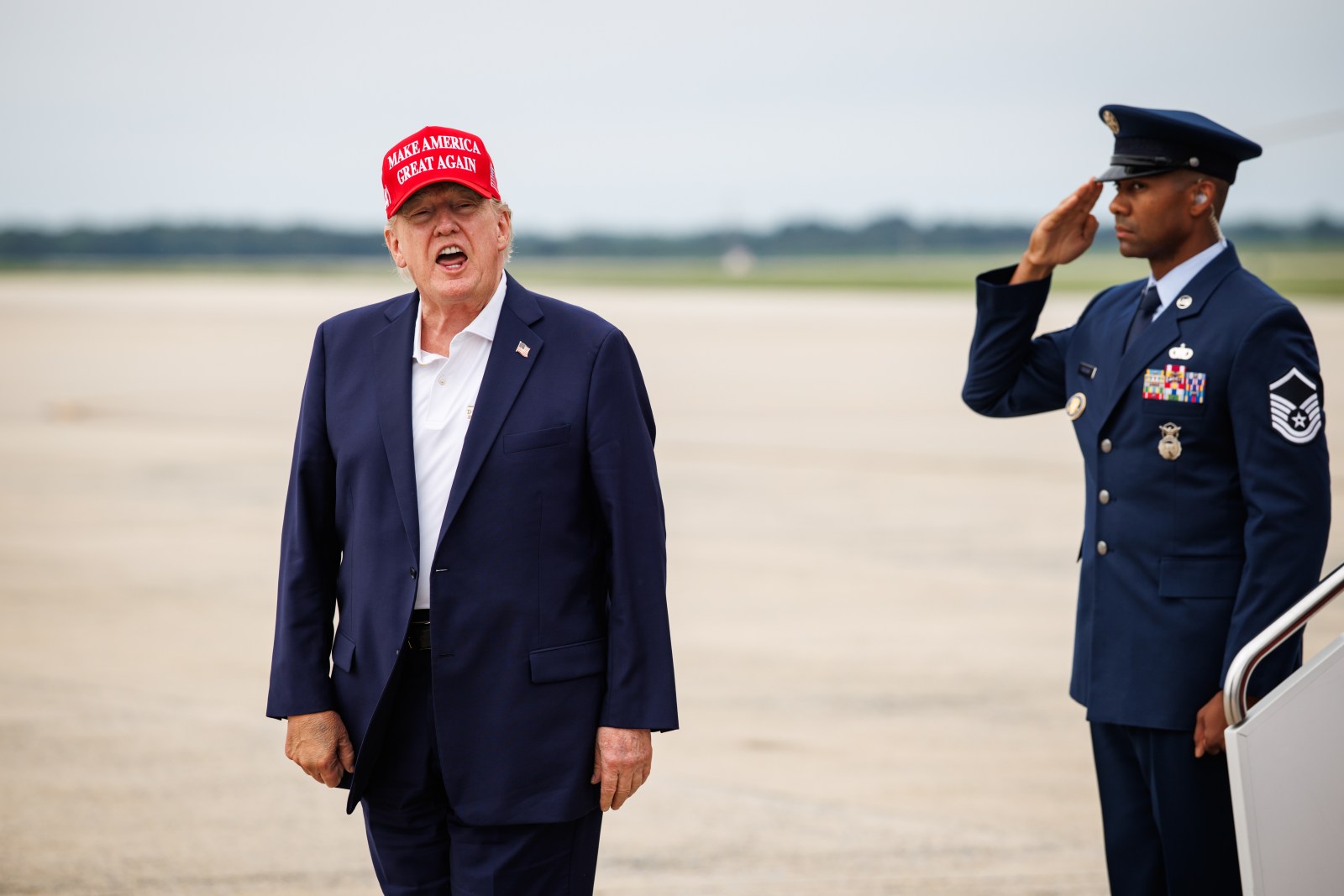
President Donald Trump has issued direct threats to bomb Oman if it interferes with U.S. actions related to Iran and the Strait of Hormuz. This statement adds to a pattern of aggressive rhetoric towards international governments. In an interview with Fox News, Trump reportedly warned, ‘if Oman gets in the way, we’ll bomb’ the nation, highlighting a shift in approach towards a long-term U.S. partner in the Middle East.
Oman has historically played a significant diplomatic role between Washington and Tehran. It has been involved in discussions related to the Strait of Hormuz, a critical global energy shipping route. Despite this, Trump’s remarks suggest a hardening stance, diverging from previous cooperative diplomacy with Oman.
Newsweek reached out to both the White House and the Omani Embassy in Washington for commentary. The Pentagon deferred to the White House for any statements regarding the matter.
Strategic Importance of Oman
Oman’s strategic position on the Strait of Hormuz underlines its importance. Approximately one-fifth of global oil exports pass through this narrow waterway. Given its unique geographical and diplomatic position, Oman has often mediated in regional tensions, maintaining relations with both the U.S. and Iran.
Analysts note Muscat, the capital of Oman, is a vital diplomatic link to Tehran for Washington. Trump’s threats mark a shift from customary U.S. rhetoric used with adversarial nations.
Countries Affected by Trump’s Military Actions
Since returning to office in January 2025, Trump has authorized military operations in several nations, including Somalia, Iraq, Yemen, Iran, Syria, Nigeria, and Venezuela. These operations have ranged from counterterrorism efforts targeting ISIS and al-Shabaab to strategic strikes, like the June 2025 attack on Iranian nuclear sites.
One pivotal operation in June 2025 saw U.S. forces strike Iranian nuclear facilities at Fordow, Natanz, and Isfahan. Trump stated that these facilities were ‘completely and totally obliterated.’
Additionally, the administration undertook a comprehensive military campaign against Yemen’s Houthi movement and targeted Yemen, Somalia, and Syria for substantial counterterrorism operations. Strikes against ISIS in Iraq and Nigeria further illustrate the breadth of U.S. military involvement.
Trump’s Broader Threats of Force
Trump has indicated a willingness to extend military force beyond these countries. Before resuming office, he suggested the possibility of using force to assert control over Greenland and the Panama Canal, citing U.S. national security interests. These statements faced strong rebukes from Danish and Panamanian officials.
After the January 2026 operations in Venezuela, Trump indicated possible U.S. actions involving Cuba, Colombia, and Mexico. Discussions included potential actions against Mexican cartels and possibilities for intervention in Cuba and Colombia.
The threat towards Oman now adds to a list previously limited to broader intervention rhetoric, posing a more explicit risk of military engagement.
Debate Over Trump’s Use of Military Force
Trump’s military use during his second term challenges his 2024 campaign’s ‘no new wars’ promise. The campaign emphasized avoiding conflicts and ending existing ones. However, the White House maintains these actions protect U.S. interests and target terrorist entities or drug networks.
Proponents describe this as ‘peace through strength,’ suggesting that the show of force deters broader conflicts. Critics disagree, recalling Trump’s critique of ‘endless wars’ and nation-building, promoting a more restrained foreign policy approach.
Reactions Within Trump’s Support Base
Significant disagreement exists within the MAGA movement over increased U.S. involvement in foreign conflicts. Notably, the Iran conflict has drawn criticism from those advocating against deeper U.S. involvement in Middle East wars, stressing adherence to Trump’s campaign promises.
Conversely, some prominent supporters argue that military actions safeguard American interests and curb Iranian threats. This division highlights a significant internal rift between traditional national-security conservatives and populist isolationists among Trump’s supporters.
While the disagreement hasn’t drastically affected Trump’s support among Republican voters, it exposes a defining divide within the America First coalition.