Turkey’s Geopolitical Moves: Erdogan’s Ambitions and Challenges
ISTANBUL – A Significant Agreement
On August 7, leaders from Saudi Arabia, Turkey, and Pakistan convened at a palace overlooking Mecca’s Grand Mosque. They signed the Mecca Joint Defense Agreement, forming a strategic alliance that combines Saudi Arabia’s oil wealth, Turkey’s military strength, and Pakistan’s nuclear capabilities. This agreement incorporates Article 5-style language, treating an armed attack on any member as an attack on all. It also includes commitments to exchange intelligence and defense technology.
Symbol of Regional Security
Beyond its contents, the agreement is crucial in crafting a regional security architecture amidst post-U.S. geopolitical uncertainties. Turkish Foreign Minister Hakan Fidan stated Ankara was a primary driver behind the three-year discussions leading to the agreement. Analysts suggest Turkey aims to establish itself as a key player in the Middle East, a region impacted by ongoing conflicts altering power dynamics.
Turkey’s Expanding Military and Soft Power
Turkey’s burgeoning defense capabilities decrease its reliance on Western military support, although it still seeks F-35 jets from Washington. The nation extends its military influence via established bases in Somalia, Qatar, Libya, and its involvement in Syria’s reconstruction post-civil war. Turkey also utilizes cultural soft power—its TV shows are popular across the region—and humanitarian efforts such as building schools to enhance its influence.
Regional Influence and Challenges
Turkey’s quest for regional dominance faces challenges including economic struggles with high inflation and a weak currency. Another obstacle is Israel’s assertive stance. Asli Aydintasbas from the Brookings Institution contends Turkey is strategically strong but its ambitions surpass its economic capacity. Turkey seeks to manage regional disorder to safeguard its national interests rather than pursue a neo-Ottoman empire.
Post-U.S. Phase
Aydintasbas suggests that as U.S. influence declines in the region moving towards a post-Iran war era, Turkey intends to fill the void. The U.S.’s reduced military presence and its tacit approval of the Mecca Joint Defense Agreement indicate shifting priorities. The region now seeks stability over democratic transitions. Turkey’s involvement in postwar Syrian reconstruction conflicts with Israel’s aim to maintain regional control.
Turkey’s Relationship with Israel
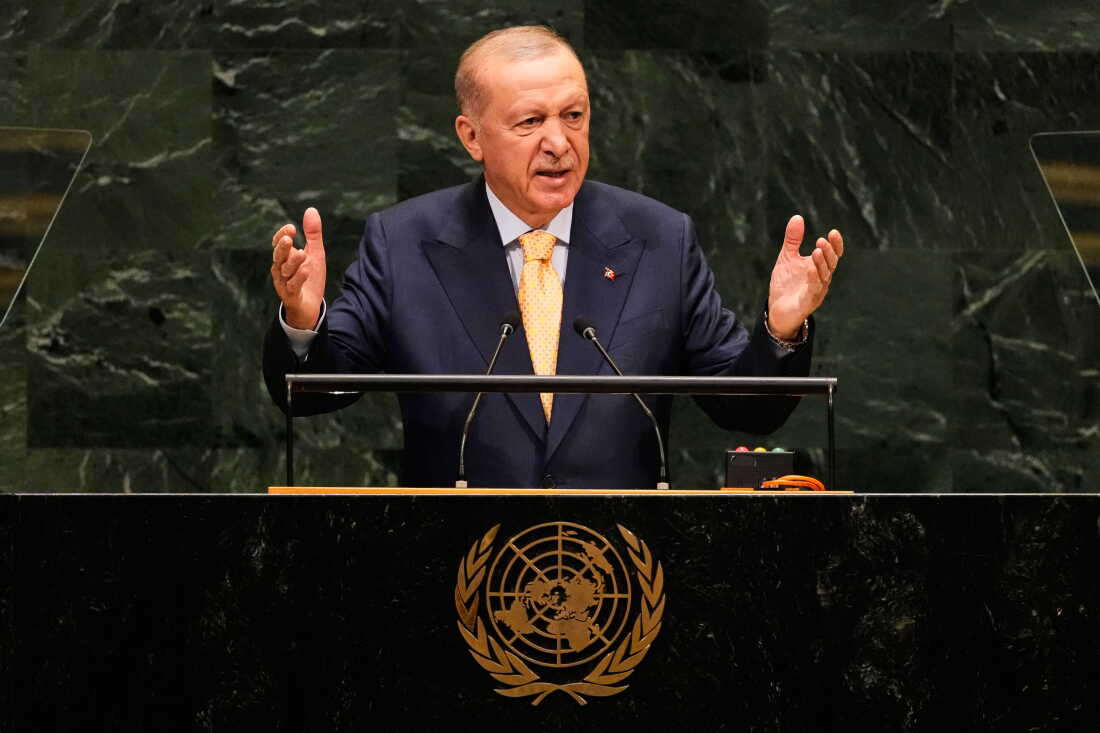
Turkey historically recognized Israel in 1949 but relations have cooled recently. Erdogan’s remarks at the U.N. implied strong opposition against Israel’s actions, contrasting earlier diplomatic gestures. Israel defends their military actions and political figures express distrust towards Turkey. Ben Aharon from the Peace Research Institute Frankfurt warns of potential conflict as Israel and Turkey increasingly view each other through a zero-sum lens.
Potential for Reconciliation
Despite heightened tensions, the personal rapport between President Trump and Erdogan might offer room for diplomatic maneuvering. Aydintasbas at Brookings believes the U.S. can play a pivotal role in mending Turkey-Israel relations. However, Trump’s unpredictable decision-making complicates long-term planning. Ben Aharon highlights leadership’s impact, noting that individual leaders are crucial in shaping future relations.