U.S. and Iran Negotiation Efforts
U.S. and Iran Negotiation Efforts
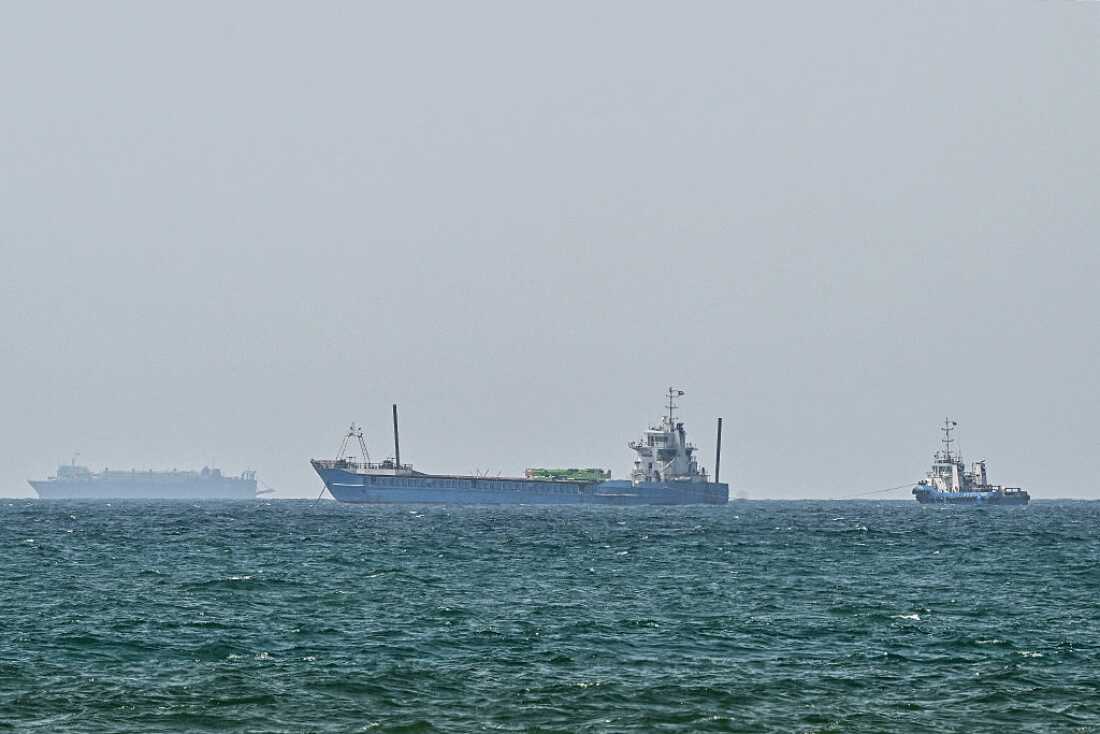
On May 21, 2026, vessels anchored off the coast of Sharjah in the United Arab Emirates, a scene captured by AFP via Getty Images. Meanwhile, President Trump and administration officials sought to manage expectations about an impending agreement with Iran to end regional conflict.
President Trump stated that the U.S. and Iran had made significant progress on a memorandum of understanding intended to reopen the Strait of Hormuz. However, he emphasized in social media posts that any deal will be comprehensive and beneficial. “If I make a deal with Iran, it will be a good and proper one,” he said.
U.S. Secretary of State Marco Rubio, during his visit to New Delhi, reiterated the nation’s commitment to diplomacy. He stressed that the U.S. would explore all diplomatic avenues before considering alternatives.
Iran’s Position
Iranian officials have yet to comment officially on the proposed agreement. However, semi-official news outlets indicate that crucial issues remain unresolved. The Tasnim news agency accused the U.S. of obstructing negotiations by withholding frozen Iranian funds.
The proposed agreement includes Iran restoring shipping activity in the Strait of Hormuz to pre-war levels and the U.S. lifting its naval blockade. Additionally, the ISNA news agency reported Iran’s demands to co-administer the strait with neighboring Oman.
Background of the Conflict
The U.S. and Israel initiated strikes against Iran on February 28, sparking regional conflict. In retaliation, Iran targeted U.S. bases and infrastructure in the Gulf. A ceasefire was agreed upon in April, but damage to oil transit caused substantial disruption in global markets.
Secretary Rubio acknowledged negotiations as “a solid thing on the table,” aiming to resolve nuclear matters with Iran. However, Iran insists its nuclear activities are peaceful and opposes foreign intervention in its uranium handling.
Iran’s Conditions
Iran’s demands, according to Hossein Nooshabadi from the foreign ministry, include ending regional conflict, releasing frozen assets, lifting the blockade, and facilitating free oil trade. A potential agreement also foresees discussions on nuclear issues over 60 days after fulfilling initial terms relating to the Strait of Hormuz.
Public statements from Iranian officials underscore resistance to aggressive U.S. tactics. Iran’s parliament warns against threats and urges negotiations instead.
Opposition to Nuclear Negotiations
Israel remains a staunch adversary of any cessation of war in Lebanon within negotiations. Despite a ceasefire, Israeli military actions have continued, with significant casualties reported by Lebanon’s health ministry.
U.S.-Iran negotiations strive toward a peaceful resolution regarding the Strait of Hormuz and Iran’s nuclear program, setting the stage for further diplomatic interactions.