U.S. Army Soldier Fights for Wife’s Immigration Status Amid Deportation Concerns
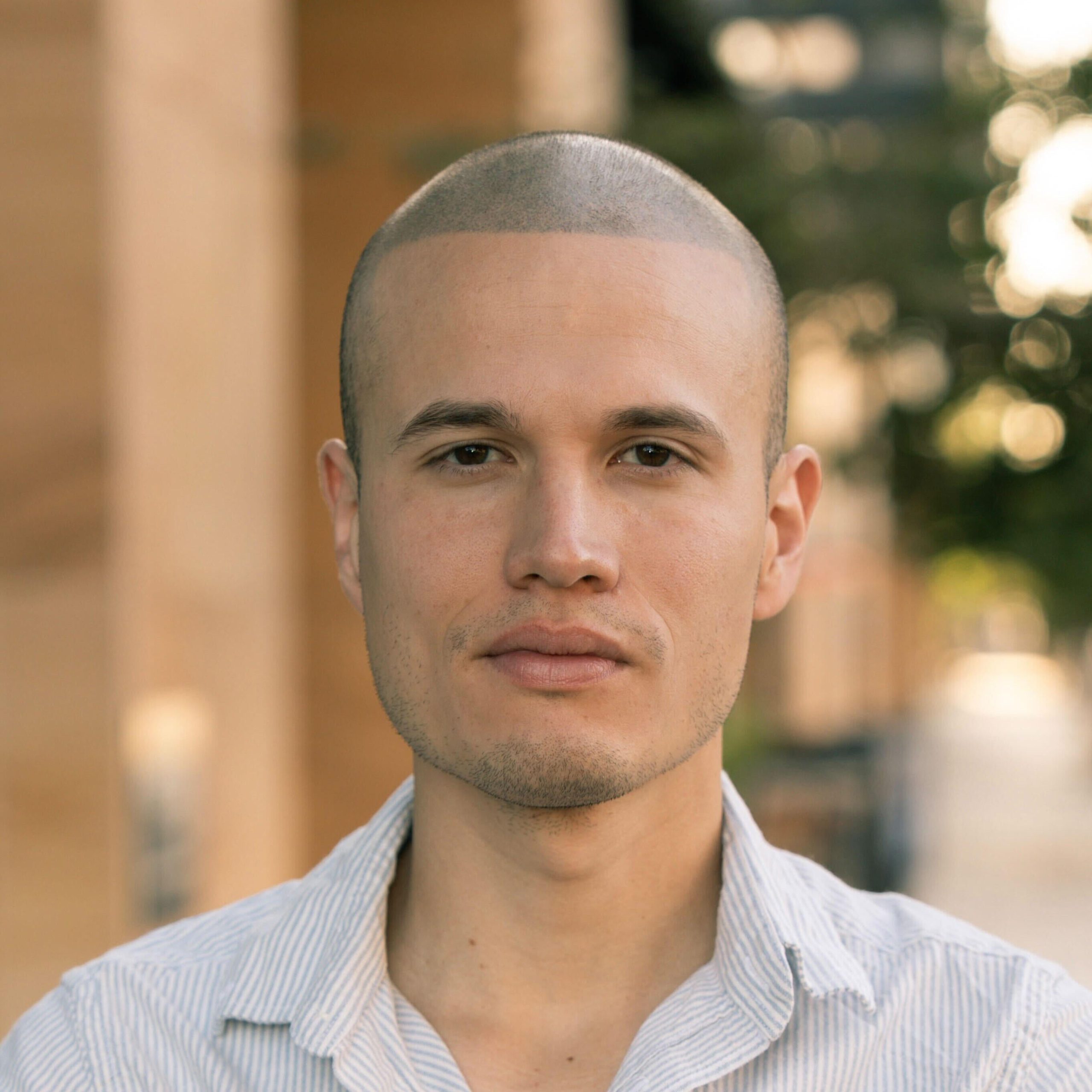
El Paso, Texas – Sgt. 1st Class Jose Serrano, a U.S. Army soldier and Afghanistan veteran, faces uncertainty about his wife’s immigration status. He fears she might be deported to a place where she has no connections, threatening his military career that spans 27 years.
Serrano’s wife, Deisy Rivera Ortega, originally from El Salvador, was held by U.S. Immigration and Customs Enforcement (ICE) after an immigration meeting in El Paso. Her arrest was due to a 2019 deportation order linked to her illegal entry into the U.S. over a decade ago. She was recently freed after a month in detention.
Serrano expressed his concerns, saying, “My wife can be deported at any moment.”
Rivera Ortega’s detention caught the attention of prominent figures. CBS News reported on her arrest, prompting action from multiple officials, including Illinois Senator Tammy Duckworth, who contacted DHS Secretary Markwayne Mullin about her case.
Upon learning of her release, Rivera Ortega described her disbelief and joy. “I felt very happy,” she stated in Spanish, appreciating the support that led to her freedom.
Upon Rivera Ortega’s release, ICE equipped her with an ankle monitor to track her movements. She must regularly report to a local agency and is under home monitoring by ICE personnel. She cannot leave El Paso without approval. DHS has promised her “full due process.” Rivera Ortega acknowledged the ankle monitor’s discomfort but emphasized her gratitude for the opportunity to remain in the U.S.
Serrano highlighted the importance of his wife’s presence at home, affirming, “My wife is at home, that’s more important for me.” Although relieved, the couple knows Rivera Ortega’s legal journey is unfinished.
Rivera Ortega was granted protection under the United Nations Convention Against Torture, which prevents her return to El Salvador. This protection, however, does not stop her potential deportation to another country. While in custody, she was informed about a possible deportation to Mexico, a country where she lacks ties. This possibility complicates Serrano’s situation as military personnel have restricted movement in certain Mexican regions, including Juarez.
Rivera Ortega’s lawyer, John B. Moore, is exploring options for her permanent U.S. residency, focusing on her marriage to Serrano, a U.S. citizen born in Puerto Rico. Moore suggested reopening her immigration court case to destroy her deportation order. He also criticized the recent denial of Rivera Ortega’s Parole-in-Place application, which would have allowed her green card application due to her marriage.
Moore asserted, “The point is their hands are not tied. They have a choice,” referring to U.S. immigration authorities.
Serrano questioned his wife’s arrest while following proper legal procedures. He described her detention as “painful.” Despite these challenges, Serrano remains committed to the military. He emphasized his love for the country and appreciation for the Army’s support during his wife’s detention.
“I love this country,” Serrano stated. “And I love my job.”