U.S.-Canada Trade Tensions: A Closer Look
The United States and Canada are facing a trade conflict that complicates one of America’s closest relationships. President Donald Trump has escalated tensions by threatening a 50% tariff on $20 billion worth of Canadian exports, prompting urgent negotiations between the two countries. The goal was to prevent a further dispute.
The Trump administration aimed to shift what it described as an unfair trade balance. It pushed Canada to accept more U.S. dairy products, reintroduce U.S. alcohol into Canadian stores, and drop tariffs on U.S. goods imposed in response to previous U.S. tariffs. Canada sought a halt to the new tariff threat and reductions in import duties on its raw materials.
Despite efforts, last-minute changes led to the breakdown of negotiations. U.S. officials accused Canada of introducing new demands. Meanwhile, Prime Minister Mark Carney accused the U.S. of trying to limit Canada’s sovereignty, particularly in its ability to enter trade agreements with others. This disagreement led to a speech from Carney, declaring a trade conflict with the United States.
If unresolved, Canada’s retaliatory tariffs on U.S. products will begin on September 8. This trade war will have consequences for both integrated economies. U.S. farmers, dependent on Canadian fertilizer, will face increased costs, adding more financial stress. This situation might prompt the Trump administration to support the farming industry.
Canada, with a smaller economy, risks significant job losses, especially in its automotive sector. Up to 90,000 Canadians might lose their jobs. Still, Carney believes the cost of complying with U.S. demands is too high, a sentiment echoed by the Canadian public, who view submission to Trump as unfavorable. Carney’s firm stance against U.S. pressure is gaining political support, even from opponents.
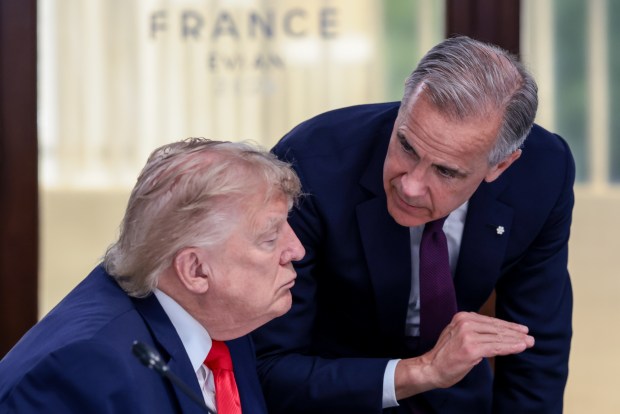
The interaction between President Trump and Prime Minister Carney at the G7 summit highlights a broader lesson for U.S. policymakers. While coercion can serve strategic purposes, persistent pressure can lead to resistance from other nations. These countries oppose being economically penalized for maintaining independence. Trump’s foreign policy approach often assumes relentless pressure forces countries to negotiate, but this strategy has seen limited success.
Examples include failed attempts to exert influence over Greenland, Iran, and Brazil, where U.S. pressure did not achieve its intended outcomes. Like these nations, Canada refuses to yield easily, demonstrating the limits of U.S. power.
Daniel DePetris is a fellow at Defense Priorities and a foreign affairs columnist for the Tribune. You can submit a letter, under 400 words, to the editor here.