U.S. Concerns Over Rising Tensions With Russia
The U.S. Approach to Russian Military Activity
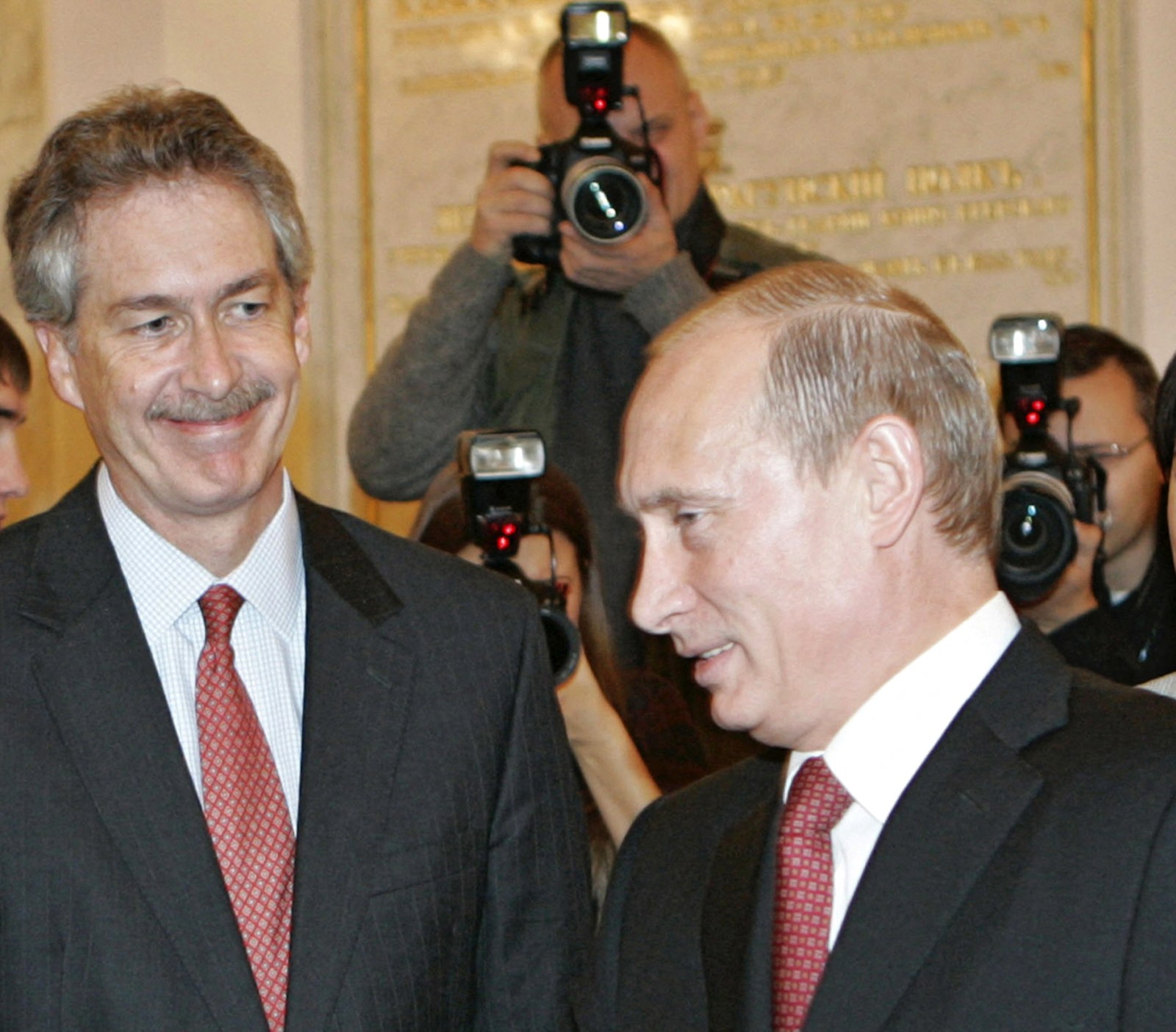
In the autumn of 2021, Russian troops began assembling near the Ukrainian border. The U.S. President, Joe Biden, noted the unusual nature of these actions. These appeared more than standard military exercises. Biden responded by sending CIA Director William Burns to Moscow, delivering a message of observation and caution regarding Russia’s activities.
The unfolding events are common knowledge. Reflecting on these actions, the question arises: Is history repeating itself? CIA Director John Ratcliffe reportedly visited Moscow recently with a similar warning about further escalating the conflict involving Ukraine and NATO countries.
Ratcliffe’s meeting excluded Russian President Vladimir Putin. Instead, Ratcliffe met with security officials, who later briefed Putin. This approach raises doubt regarding the effectiveness of direct interface with Putin’s administration.
Persisting Disputes Concerning NATO and Russia
The central conflict leading to Russia’s full-scale invasion of Ukraine remains unresolved. NATO views Russia as an aggressor, while advocating that European nations can determine their own security protocols. Conversely, Moscow perceives NATO’s moves as expansion, posing a perceived threat to Russian safety.
There’s skepticism about the effectiveness of a warning from the current CIA director resolving this ongoing dispute. History shows limited change despite numerous approaches.
Three months before Russian forces advanced into Ukraine, then-NATO Secretary-General Jens Stoltenberg emphasized Ukraine’s sovereignty in determining future and security affiliations, with no veto from Russia.
Conversely, Moscow proposed halting NATO enlargement, including Ukraine’s membership, and ceasing military activity in Eastern Europe. Russian President Vladimir Putin expressed frustration over Western weapons near Russia’s borders.
Developments and Ongoing Conflict
Five years later, British Prime Minister Andy Burnham’s visit to Kyiv illustrates Britain’s support for Ukraine with the provision of missile blueprints, aiding Ukraine’s long-range strike capabilities.
Initiatives by the Coalition of the Willing, led by France and the UK, prepare for deploying a peacekeeping force inside Ukraine post-ceasefire, showcasing NATO’s defensive moves against Russian aggression. From Moscow’s view, NATO’s expansion continues posing security threats.
Kremlin spokesperson Dmitry Peskov accused Britain of fueling the war and opposed NATO forces deploying in Ukraine following cessation of fighting. Dmitri Medvedev labeled NATO as hostile, emphasizing new memberships as existential threats to Russia.
Lt. Gen. Viktor Sobolev’s statement reflected the urgency of securing victory in Ukraine before NATO countries engage with Russia. Following Ukraine’s defeat, it is crucial to reinforce Russia’s forces against future geopolitical threats.
Changes since February 2022 are evident. Casualties, evolving European military doctrines, and shifting global political alliances mark these changes. However, the underlying dispute remains unchanged.
Rising Concerns in the Baltic Region
Focus during Ratcliffe’s Moscow visit involved cautioning against escalations, not within Ukraine, but NATO territory. Concerns centered on Baltic states, with potential cyberattacks, hybrid warfare, or minor military incursions anticipated.
Despite these concerns, Estonian officials maintain a calm stance. Foreign Minister Margus Tsahkna emphasized the seriousness of Russia’s threats but affirmed an unchanged threat assessment.
Prime Minister Kristen Michal, at a Kyiv summit, asserted Russia’s perception of NATO’s power deters attacks, fostering confidence among NATO allies of minimal direct threats.
Estonia’s defense spending illustrates preparedness, including construction of a Baltic Defense Line featuring 600 bunkers, and hosting a UK-led NATO battlegroup.
Past experiences caution against assuming Moscow concurs with Western military rationale. Former CIA Director Burns briefed Ukrainian President Volodymyr Zelensky in early 2022. Despite assurances, Russian tanks advanced on Kyiv months later.
While no signs indicate direct threats to Estonia, Putin may opt for undermining NATO politically, through minor operations testing NATO’s collective defense clause.
The strategic question in Washington, Tallinn, and Brussels should shift. Rather than doubting Russia’s rationale in attacking NATO, focus on deterring Putin by demonstrating the costs of even limited tests of alliances.