U.S. Considers Ban on Chinese Optical Transceivers in Data Centers
The Trump administration is planning to prohibit the use of Chinese-made optical transceivers in data centers. This move stems from concerns over security risks associated with relying on China for key components in America’s AI infrastructure. Sources, as reported by Reuters, indicate that the administration aims to restrict these imports by the end of 2026. However, the Federal Communications Commission still has the option to alter or dismiss these restrictions.
The ongoing U.S.-China rivalry in AI has now extended beyond software to the hardware that underpins it. The U.S. has already imposed limitations on the export of advanced AI chips to China. This strategy aims to hinder technology that could strengthen China’s military capabilities and threaten U.S. technological superiority. Moreover, U.S. intelligence has highlighted the threat posed by Chinese state-sponsored hackers infiltrating critical American infrastructure, with the potential to gather information or disrupt systems during crises.
“As with the risk from the other products the Trump Administration is looking to ban, there are real concerns with the transceivers around data collection, disruption, and long-term dependence on Chinese suppliers,” said Adam Segal, director of the Council on Foreign Relations’ Digital and Cyberspace Policy Program.
Understanding Optical Transceivers
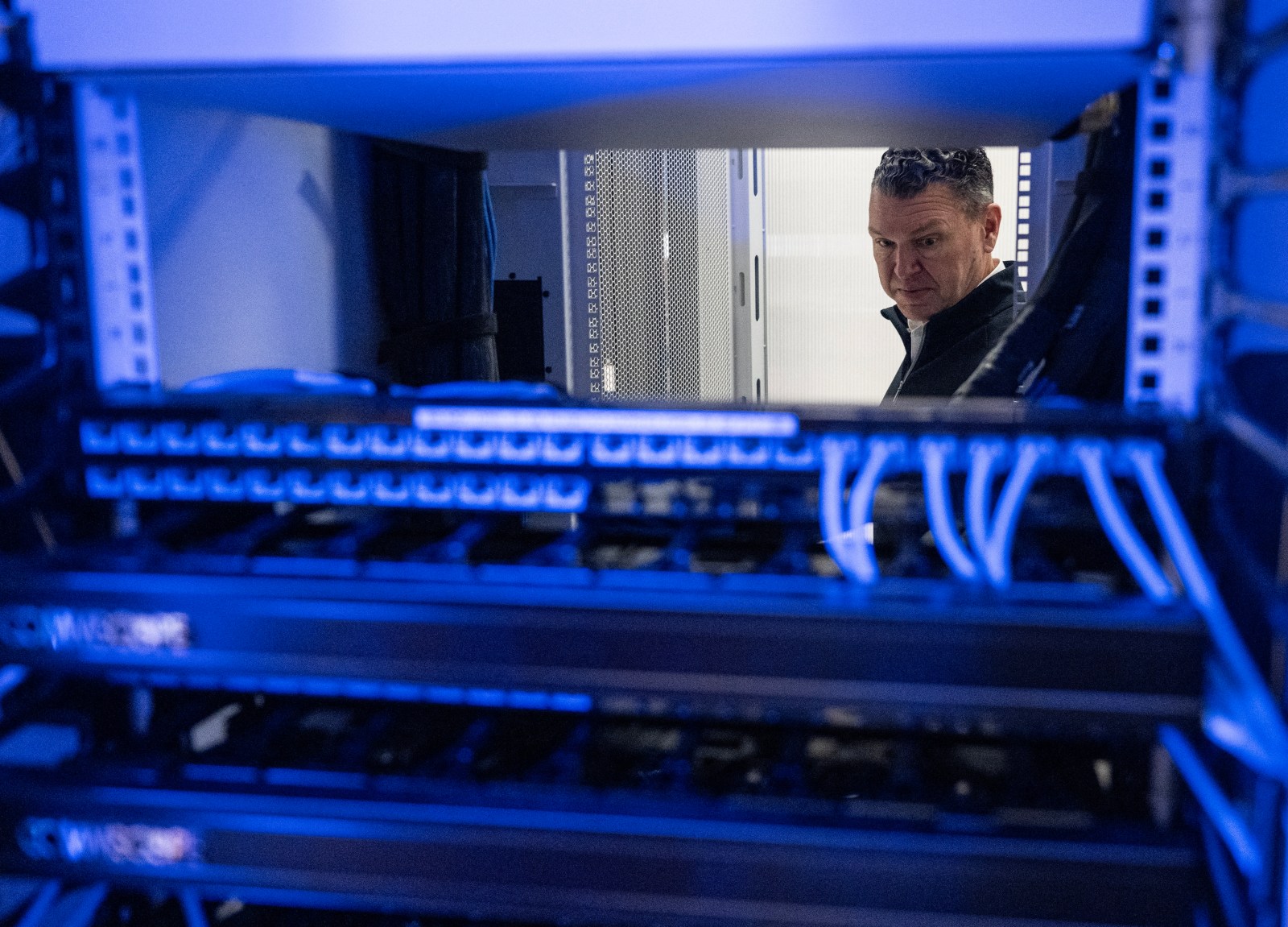
Optical transceivers play a vital role in modern communication networks, from Ethernet connections to extended telecommunications. These devices convert electrical signals into light pulses and vice versa, facilitating the transfer of large data volumes through fiber-optic cables. Their importance has grown in AI data centers, where they enable high-speed connections among numerous AI chips essential for processing large datasets and training language models like ChatGPT and Claude.
Reasons for Potential Ban
Beyond cybersecurity concerns, U.S. officials are worried about the implications of depending on Chinese vendors for critical components like optical transceivers. If China were to halt supply, this could destabilize the U.S. AI supply chain.
“Banning imports of Chinese-made optical transceivers would further help secure the AI supply chain and reduce dependencies on China that they are capable of weaponizing against us, as they have repeatedly done with rare earths,” said Dmitri Alperovitch, chairman of Silverado Policy Accelerator.
China has previously used its dominance in rare earth materials, crucial for devices ranging from smartphones to military equipment, to exert pressure in trade negotiations. Recent actions against Japan highlight its readiness to exploit this advantage.
However, experts warn that a U.S. ban could have drawbacks. Some believe it may raise costs and create uncertainty for large-scale cloud service providers, potentially impeding AI development in the short term. China has frequently criticized U.S. technology export restrictions, arguing that they disrupt global supply chains and harm bilateral ties.
“Such practices do no good to anyone. They are market-distorting acts of bullying. China urges the U.S. side to immediately revoke the relevant measures and its wrongful practices,” said Liu Chang, a spokesperson for the Chinese embassy in Washington.