U.S. Expands Military Operations in Latin America Amid Controversy
The U.S. military has intensified its campaign against drug trafficking by extending operations from sea to land in Latin America. Hundreds have died since the U.S. began bombing suspected drug transport boats off the Caribbean and Pacific coasts. The Trump administration now seeks agreements for joint operations with allied nations, emphasizing work on land.
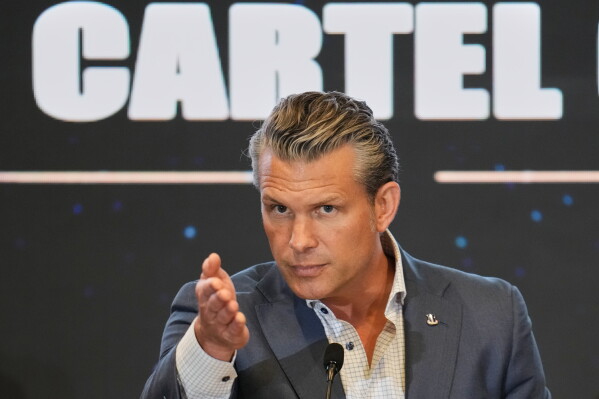
U.S. Defense Secretary Pete Hegseth announced these plans in Panama, mentioning that Colombia, Guatemala, and Honduras agreed to collaborate with the U.S. Ecuador already engages in such missions. However, Guatemala has denied forming any such agreement. Hegseth likened future operations to prior strikes on drug boats, aiming to target designated terrorist organizations.
The plan underscores an expanded phase in the Trump administration’s regional strategy, backed by leaders aligning with U.S. security goals. Critics warn of potential civilian casualties and anti-U.S. sentiment. Michael Shifter, a Latin America expert, argues this reflects U.S. power assimilation rather than genuine partnership.
The U.S. military’s historical presence in Latin America includes providing allies with resources to combat drug trafficking, intertwined with its controversial support of coups and dictatorships. Since Trump’s return to office in January 2025, Washington adopts a more interventionist stance, labeling 20 regional criminal groups as terrorist organizations and pursuing aggressive measures in countries like Venezuela and Mexico.
Hegseth offered limited details about these joint operations. In Colombia, where President Abelardo de la Espriella took office, U.S. forces may join strikes against armed groups like the National Liberation Army (ELN). He raised alarms by comparing drug traffickers to extremist groups like ISIS.
Recent attacks by ELN rebels prompted de la Espriella to vow severe responses. Ecuador confirmed active U.S. military involvement, with New York Times reporting collateral damage from a March strike on a supposed drug lab.
These agreements face resistance despite ideological alignment with U.S. goals. For instance, Guatemala’s progressive leadership disputes the legality of such U.S. involvement without congressional consent. Meanwhile, Mexico cooperates with U.S. security but resists U.S. military deployment against local cartels.
Defense analyst Adam Isacson emphasizes the ambiguity surrounding ‘joint operations’ and warns of possible governmental unease. He stresses the tensions between addressing security threats and public opinion about national sovereignty. Shifter suggests U.S. activities might symbolize power plays rather than solid security solutions.
Experts like Jeremy McDermott predict U.S. military actions could lead armed groups like the ELN to alter tactics. While militarized responses might prompt temporary victories, they risk alienating U.S.-friendly governments facing voter concerns over surrendering sovereignty. As Isacson notes, Latin American leaders face pressures to appear firm on crime without compromising self-rule.