U.S. Faces Challenges in AI Race with China Amid Talent Retention Issues
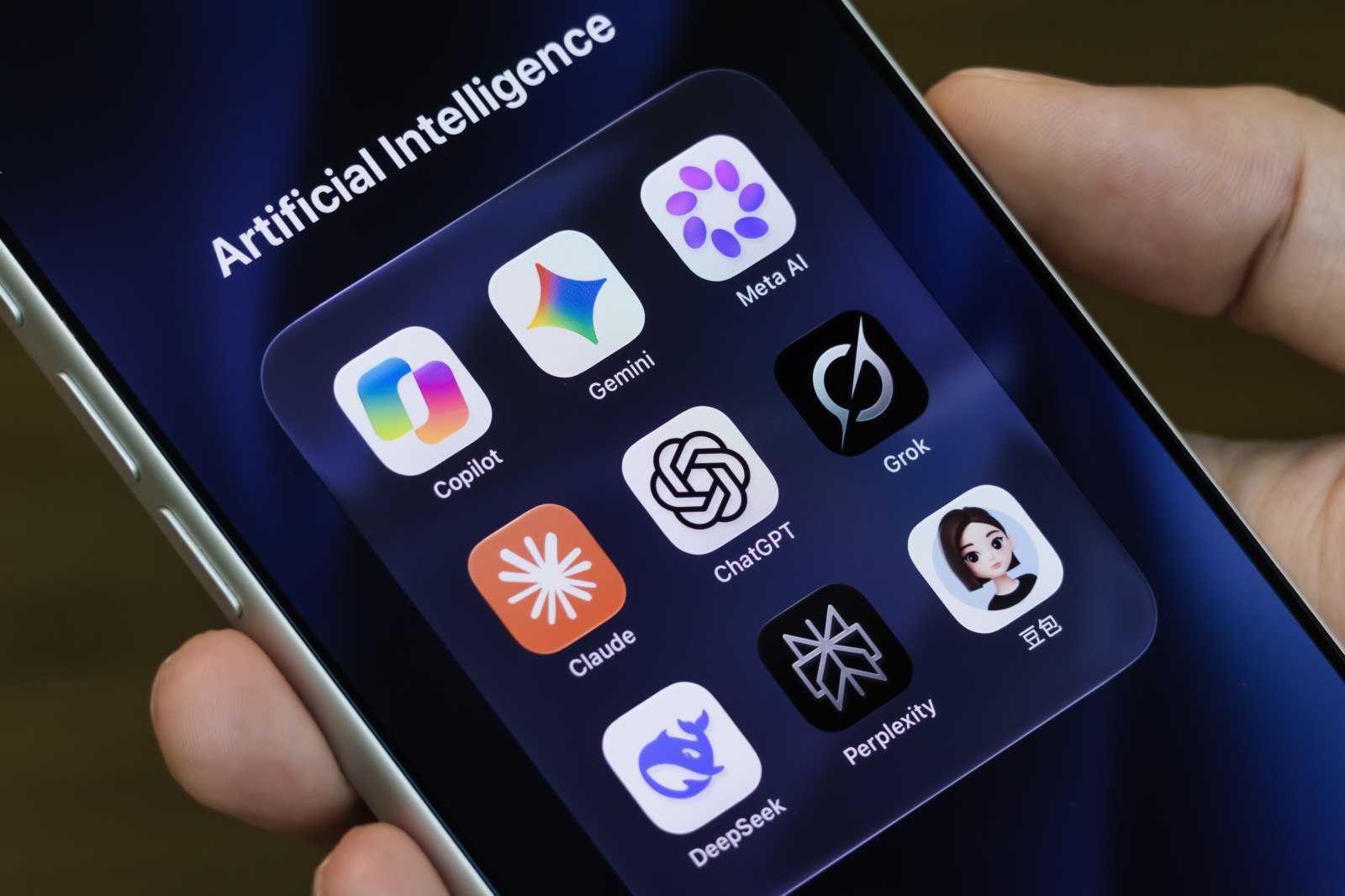
President Donald Trump has focused on keeping China away from America’s cutting-edge technology to gain an advantage in the AI race. However, he confronts a challenge as some key researchers propelling America’s AI lead have roots in China. As Trump prepares to welcome Chinese President Xi Jinping to Washington on September 24, discussions around artificial intelligence will be central during Xi’s state visit. Proposals for folding a delayed AI dialogue into broader economic discussions have been on the table.
Trump views this competition in black-and-white terms, emphasizing, “WHOEVER WINS AI, WINS!” and asserting that imposing restrictions would benefit Beijing.
The Talent That Built the Lead
The U.S. advantage in AI rests significantly on foreign talent; many researchers come from China. Yao Shunyu, with a background from Tsinghua and Princeton, left OpenAI in 2025 to join Tencent as their chief AI scientist, emphasizing China’s need for strong, long-term AI research. Similarly, Yang Zhilin, after graduating from Tsinghua and obtaining a doctorate from Carnegie Mellon, founded Moonshot AI in China, securing over a billion dollars in funding. His release of the Kimi model series has proven to be a lower-cost alternative for U.S. startups.
Challenges like visa uncertainties and indictments have increased since 2018, affecting Chinese researchers’ decisions to remain in the U.S. The Carnegie Endowment for International Peace tracked this trend, revealing 10 out of 100 top-tier Chinese-origin AI researchers had left for Chinese institutions or companies by 2025. Despite 87 remaining in the U.S., the impact on AI competitiveness is noteworthy.
The Cost of the Crackdown
Attracting the next wave of talent has become a challenge. The Paulson Institute shows that Chinese nationals made up 47 percent of top AI researchers in 2022, a significant increase from 2019. Despite this, the portion working in the U.S. decreased, signaling a potential decline in America’s ability to attract this talent.
Proposed restrictions and racial profiling reports have left many in uncertainty, with some researchers leaving the U.S. for China. Princeton researchers noted a surge in tenure-track scholars of Chinese descent relocating to China in 2025. Non-Chinese elite researchers, like Nobel laureate Omar Yaghi, have also moved from American institutions to Chinese ones.
What Winning Would Mean
There is no consensus on the exact parameters for winning the AI competition. Chinese State Security Minister Chen Yixin described American AI models as tools in a “propaganda and cognitive war” against China. American Treasury Secretary Scott Bessent highlighted the significant stakes, saying, “There is no day after tomorrow if China wins at this.”
Chris Miller, a Tufts University professor, suggests success involves having the most advanced AI companies and quickly leveraging technology. David Lin underscores translating technical capability into tangible productivity gains.
Carnegie’s recommendations emphasize investing in U.S. high schools, research grants, and ensuring visa clarity for students. These steps could help foster an environment where global AI talent chooses to build careers in the U.S.
These outlined issues and solutions will not be part of the upcoming discussions on September 24.