U.S. Military Maneuvers and Financial Impact Amid Policy Changes
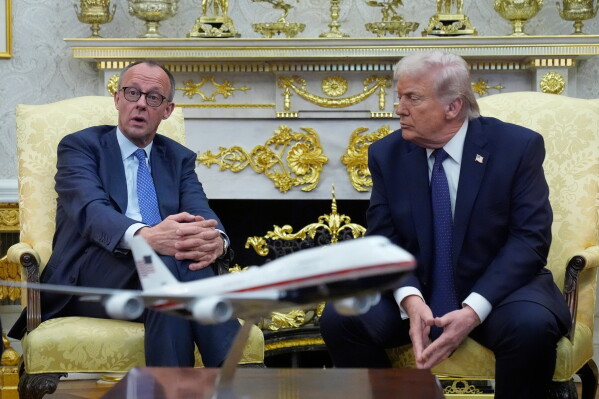
The U.S. military faces ambiguity regarding troop levels in Europe. This comes following President Donald Trump’s inconsistent decisions that have influenced military operations and finances. According to two U.S. defense officials, these shifts could potentially lead to significant costs for taxpayers.
Confusion Among NATO Allies
In May, NATO allies were surprised when Trump announced he would send 5,000 troops to Poland soon after withdrawing a similar number from Europe. This decision followed a disagreement with Germany’s Chancellor Friedrich Merz over the Iran conflict. The Trump administration claimed these troop reductions were part of an ongoing plan coordinated with allies.
President Trump further added confusion by speaking on social media about sending troops to Poland, which contradicted a Pentagon order to cancel a rotation of soldiers to the region. U.S. Transportation Command reported that sending equipment to Poland cost $32 million.
Policy Reversal Impact
The swift changes require the military to adjust its policies to align with Trump’s latest directives. Officials speaking anonymously highlighted the lack of clarity from the Pentagon and the resulting poor morale among troops.
The rotational deployment involving 4,000 troops from the 2nd Armored Brigade Combat Team was canceled unexpectedly, leaving thousands of soldiers uncertain about their future.
Financial Ramifications
The unplanned movement of troops and equipment is not budgeted for, adding to the financial burden. According to Joe Costa, a former senior Pentagon official, these costs are difficult to estimate.
Military contracts often contain cancellation clauses, which can increase expenses when deployments are abruptly called off. John Deni, a senior fellow at the Atlantic Council, questioned whether the Pentagon can recover the extra costs incurred from these decisions.
Challenges in Reallocation
The initial suggestion to pull back the 2nd Cavalry Regiment stationed in Germany was revised to canceling another unit’s deployment to Poland. Chopping up the units for relocation would incur readiness costs and affect morale. The uncertainty deeply impacts military families planning deployments well in advance.
Budget Shortfall
These developments occur during an Army budget deficit of $2 to $6 billion, leading to curtailed training sessions. The Army has made resource decisions to manage the shortfall, as noted by Gen. Christopher LaNeve to Congress.
The Department of Homeland Security has yet to reimburse the Army for costs incurred during various missions, straining its budget further. Meanwhile, U.S. forces in Europe are scaling back on non-combat training to conserve vital operations.