U.S. Plans New Sanctions on Iran Amid Tensions
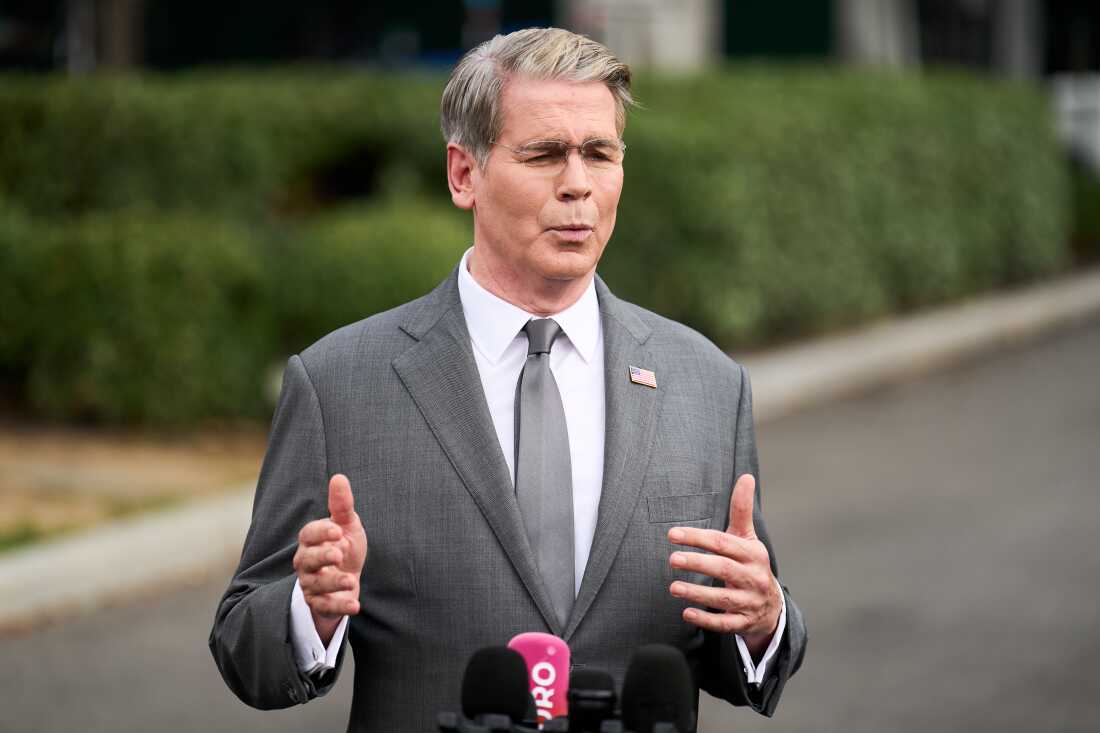
On August 20, 2026, Treasury Secretary Scott Bessent spoke to the media outside the White House. He announced plans to implement new economic sanctions on Iran, described as the “single greatest financial offensive ever.” President Trump has labeled this initiative as an “economic D-Day,” aiming to deter other nations from supporting Tehran financially.
Impacts on Iranian Economy
The Iranian currency, the Rial, has already experienced a significant drop. The proposed sanctions aim to intensify existing pressures. Iran has been subject to U.S. sanctions for decades, with recent measures targeting entities that help Iran bypass financial limitations.
The U.S. naval blockade has restricted most goods entering Iran, exacerbating the situation. The current focus is on pressuring countries and governments supporting entities that provide financial resources to Iran.
Bessent highlighted, “Our objective is to sever every economic lifeline that sustains the tyrannical regime until Tehran stands alone.” He urged countries still trading with Iran to weigh the consequences of such actions.
China, Iran’s largest oil customer, has faced criticism for purchasing around 90% of Iran’s oil. Analysts question the effectiveness of further sanctions, suggesting existing sanctions have already targeted all feasible areas.
Iran’s Retaliation Plans
Mohsen Rezaei, Iran’s new security chief, promised “seismic” retaliation against more U.S. economic warfare. Rezaei, a former leader of Iran’s Revolutionary Guards, now advises the Supreme Leader, Ayatollah Mojtaba Khamenei.
Rezaei warned Gulf states that supporting new sanctions would mark them as enemies of Iran. Since the war’s onset six months ago, Iran has attacked U.S. bases in Jordan and the Gulf region. These attacks have led to injuries and fatalities.
Rezaei further stated that oil tankers in the Persian Gulf might be targeted if new sanctions proceed, threatening to block all oil exports from the area.
Economic Consequences for Iranians
For nearly half a century, ordinary Iranians have suffered under U.S. sanctions, enduring economic hardship since the 1979 Islamic Revolution. The Iranian economy is under severe strain, featuring soaring inflation rates that have reached nearly 90%, per the Statistical Centre of Iran.
NPR interviewed a 30-year-old Iranian woman, who shared that many are buying food on credit due to cash shortages. She reported difficulty affording basic items like tomato paste. Medicines have become unaffordable for many, and power outages and rising unemployment create mounting challenges.
Inflated living costs have spurred protests, with government responses resulting in severe crackdowns.