U.S. Resource Strain: Analyzing Military Engagements in Iran and Ukraine
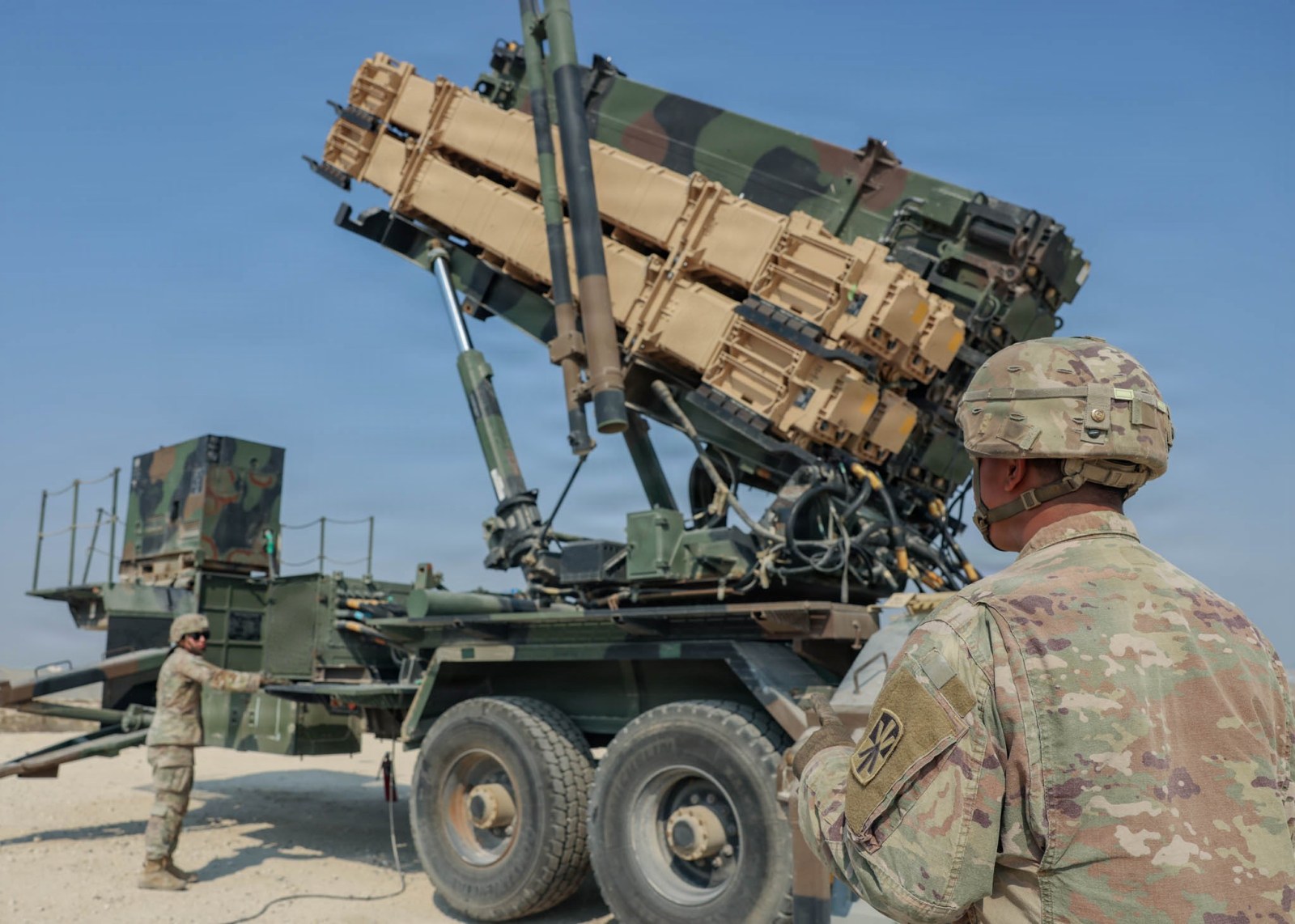
President Donald Trump has defended the significant expenditure in the war on Iran, asserting the U.S. can maintain weapons production indefinitely and faulting his predecessor for extensive aid to Ukraine. Trump stated on Truth Social that the U.S. possesses ‘virtually unlimited’ ammunition, with production levels unseen before, aimed at self-preparation rather than sales, although sales to allies will resume soon.
Trump accused the Biden administration of providing more munitions to Ukraine than used in Iran, citing billions given to Ukraine and NATO without charge. He stated that Europe could have covered these costs but promised to demand repayment, albeit late.
Comparing U.S. commitments between the Iran and Ukraine conflicts shows complex realities, analysts note. Christopher Chivvis of the Carnegie Endowment for International Peace comments on potential exposure due to U.S. overstretch in managing these conflicts, creating opportunities for adversaries like China and Russia.
Chivvis criticized Trump’s belief in ‘virtually unlimited’ capacity, calling it fictional. He mentioned that Trump’s war on Iran exacerbated issues by depleting advanced munitions needed for other threats such as a potential PLA invasion of Taiwan.
Newsweek’s request for comment from the Department of War received no reply. However, Chief Pentagon Spokesman Sean Parnell previously assured of the U.S. military’s robust capabilities.
More Weapons Sent to Ukraine
From February 2022, when Russia invaded Ukraine, until January 2025, the U.S. allocated approximately $66 billion in security assistance to Ukraine, with another $130 billion for other aid, according to the Department of Defense.
Weapons provided included over 4 million artillery shells, hundreds of thousands of mortar rounds, and thousands of rockets, missiles, and advanced systems like HIMARS, NASAMS, and Patriot batteries.
In contrast, the first 39 days of the Iran conflict saw the U.S. use around 1,000 Tomahawk missiles, 1,100 JASSM, and up to 2,000 interceptors for Patriot, THAAD, and SM systems. Other munitions like JDAM, SDB, and PrSM were heavily used. Reportedly, the U.S. lost significant aviation assets during this period, including drones and aircraft.
Impact on U.S. Arsenal
The Iran conflict has rapidly depleted high-value precision and air-defense weapons, unlike the steadier transfer to Ukraine. For example, Tomahawks cost $2 to $3 million each, and THAAD interceptors up to $12 million per unit. Retired Rear Admiral Mark Montgomery emphasized that many weapons sent to Ukraine have no crossover with those used in Iran.
Defense Secretary Pete Hegseth estimated the Iran war’s cost at $37.5 billion, with additional costs pushing the total above $100 billion according to various sources.
Human Cost and Strategic Considerations
The nature of the two conflicts differs. U.S. service members have been killed in Iran, marking a tangible cost, contrasting with none directly in Ukraine. However, volunteer support in Ukraine has seen casualties.
Analysts express concerns over military death tolls, citing Trump’s preference for conflict over diplomacy. Jennifer Kavanagh emphasized that while the U.S. can maintain operations in Iran short-term, long-term capabilities for another major conflict, such as with China or Russia, are compromised as resources deplete.