Uber’s Legal Battle: Struggles and Revelations
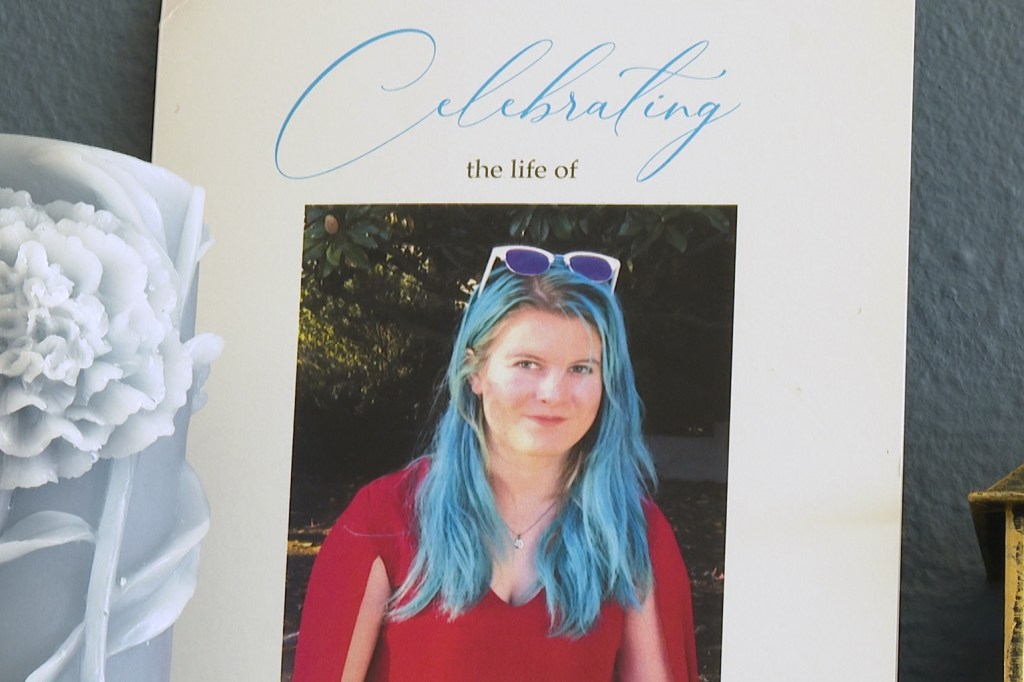
Luna Moore believed she was being responsible by using Uber. She and her friend, Emily Normandin-Parker, enjoyed drinks one summer night in August 2023 in Southern California. Neither planned to drive. However, on their way home, Moore felt sick. The Uber driver, Vu Tran, kept swerving between lanes. Moore couldn’t find a bag, so she vomited out of the window.
Instead of stopping safely, Tran halted on a triangular stretch between the freeway and an exit. He demanded a $300 cleaning fee and ordered them out. Stranded, Normandin-Parker went to find help. Moore tried to follow but Tran blocked her. Normandin-Parker tragically stepped into traffic and was struck by a vehicle, losing her life at 23.
Moore faced the loss of her best friend and revisited dark times in her life. Normandin-Parker’s parents filed a wrongful-death claim against Uber and Tran. Moore also filed for damages. The legal proceedings brought intense scrutiny on Moore’s life; defense attorneys asked invasive questions about her past, including childhood medical history and past trauma.
Uber denied responsibility for the questioning, attributing it to Tran’s lawyers, but evidence suggested otherwise. Moore, now 27, expressed that the legal battle was emotionally taxing. Uber’s legal practices came under criticism, with allegations that they exhaust plaintiffs emotionally and financially to discourage legal actions.
Luna Moore and Ken and Carol Normandin pursued legal action, resulting in a $40 million settlement. Despite receiving $300,000, Moore’s sense of guilt persists. She recalls being questioned about her attire the night of the incident and pressed to recount traumatic experiences.
Uber stated their responsibility to treat claims seriously, ensuring fairness in the legal process. However, complaints about their invasive tactics mount. Attorneys allege that similar methods are used in unrelated cases, scrutinizing plaintiffs’ entire personal histories.
Brooke Soliz Bremmer, a California attorney, mentioned Uber passengers face questions unrelated to their injuries, even in accidents involving other drivers. Bremmer described the practice as intimidation, putting “woman and men, but mostly women” on trial during depositions.
Attorney Alex Boris noted that Uber requests comprehensive medical records, often without time constraints. He claimed these demands intimidate plaintiffs, increasing costs and duration of cases. Uber countered, defending their scrutiny as essential to establishing the causes of injuries.
Moore, despite the emotional struggles, remained determined. She never considered abandoning the legal proceedings, feeling driven by her love for Normandin-Parker. Her fight continues to bring justice to those affected by Uber’s legal practices.
Emily’s parents, Ken Parker and Carol Normandin, rejected Uber’s request for confidentiality regarding the arbitration outcome. Uber claimed the discussion of confidentiality was eventually not pursued.
Legal experts argue defendants can rightfully explore prior injuries or conditions, but excessive requests turn into burdensome investigations. Maria Glover, a Georgetown University law professor, described these as strategic to impose legal costs and delays on plaintiffs.
Uber’s tactics in sexual assault litigation face scrutiny as well. In an ongoing investigation, it was revealed they sought extensive personal histories of survivors to challenge credibility.
Moore stated the legal battle motivated her to fight harder. While Emily’s death continues to affect her deeply, Moore channels her pain into creating a life her friend would be proud of.