UEFA’s Stance on World Cup Boycott and FIFA Governance
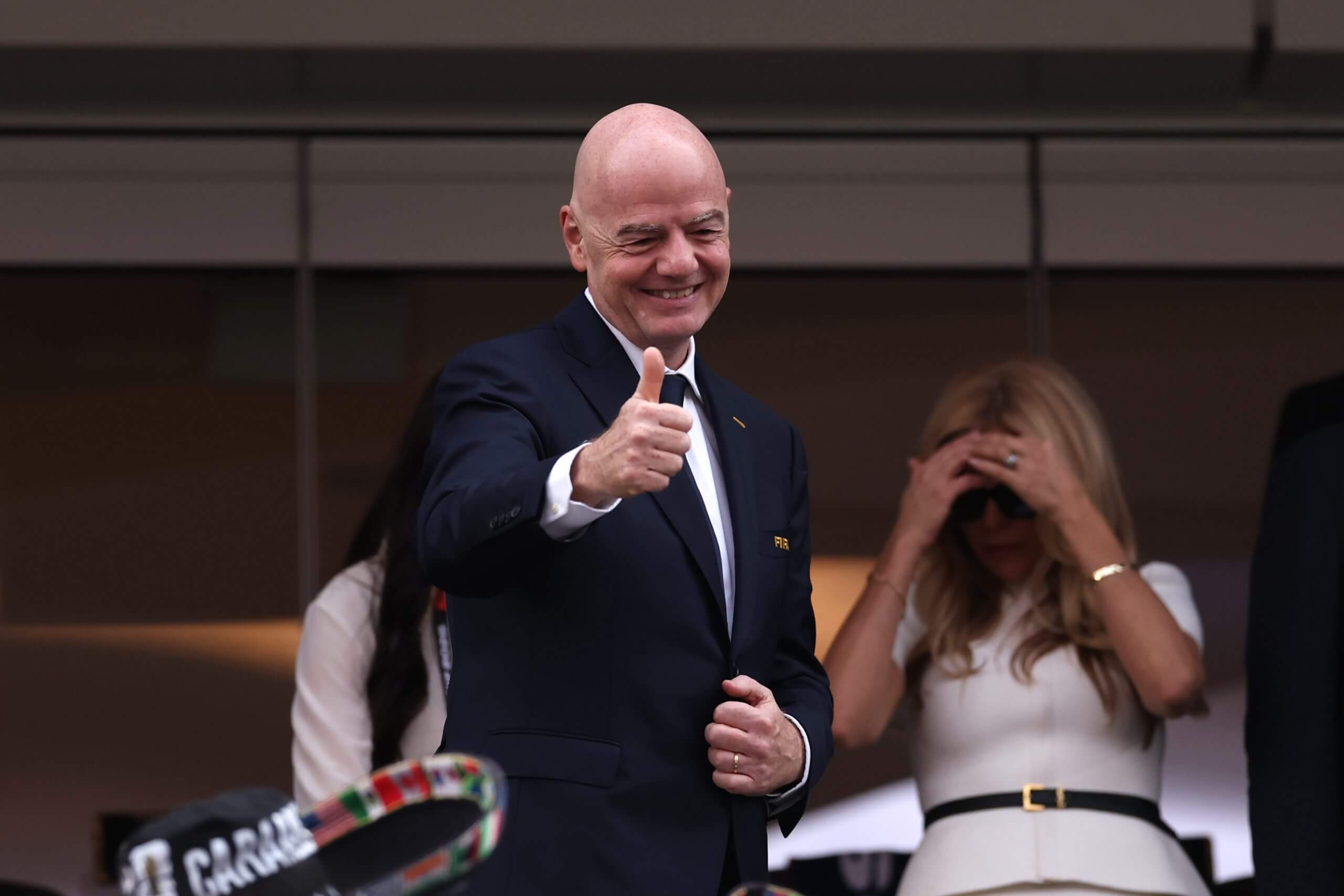
UEFA is steadfast in its position regarding the potential boycott of future men’s and women’s World Cups. This comes after FIFA President Gianni Infantino received unanimous support at a crucial meeting in Morocco. Last week, UEFA initially threatened a boycott following Infantino’s unsuccessful FIFA Forward Enterprise (FFE) proposal. This proposal aimed to involve private investors in world soccer’s commercial ventures, including World Cups and Club World Cups.
A UEFA spokesperson emphasized that the boycott option remains unless specific conditions are met. “UEFA’s associations were very clear about the conditions attached to the non-participation in FIFA competitions,” they stated. First, any plans to commercialize major competitions must be revoked. Second, guarantees must be provided against future attempts to alter the game in such a manner.
Despite Infantino’s apology, UEFA has expressed dissatisfaction with his leadership. They reiterated their lack of confidence in Infantino’s presidency, asserting that “yesterday’s announcement… changes nothing.” Meanwhile, Infantino upholds FIFA’s leadership support and warns against attacks on FIFA’s integrity.
In terms of outrage over the scrapped FFE proposal, UEFA is not isolated. CONCACAF has also voiced criticism of Infantino as he approaches another presidential election. If victorious, this term would be his last as FIFA president. CONMEBOL, representing South American football, criticized unilateral actions without institutional dialogue. They stressed the importance of dialogue, rules, and constructive exchanges, emphasizing that when these elements are neglected, football and its community suffer.
Infantino had claimed over 200 letters of support from 211 member associations, but that number has waned. Notably, the English Football Association, Football Association of Wales, and Serbian Football Federation retracted their support.
FIFPro, the global players’ union, condemned the FFE proposal as “not merely a governance failure” but an “abuse of presidential power.” Although the proposal’s withdrawal prevented an “irreversible decision,” it did not restore trust. FIFPro argued that confidence cannot be rebuilt with statements or promises of reform. They demand legally binding engagement with stakeholders on significant decisions, such as changing the international match calendar, and voting rights for stakeholders on the FIFA Council.