Uncertainty Surrounds USMCA as Renewal Questioned
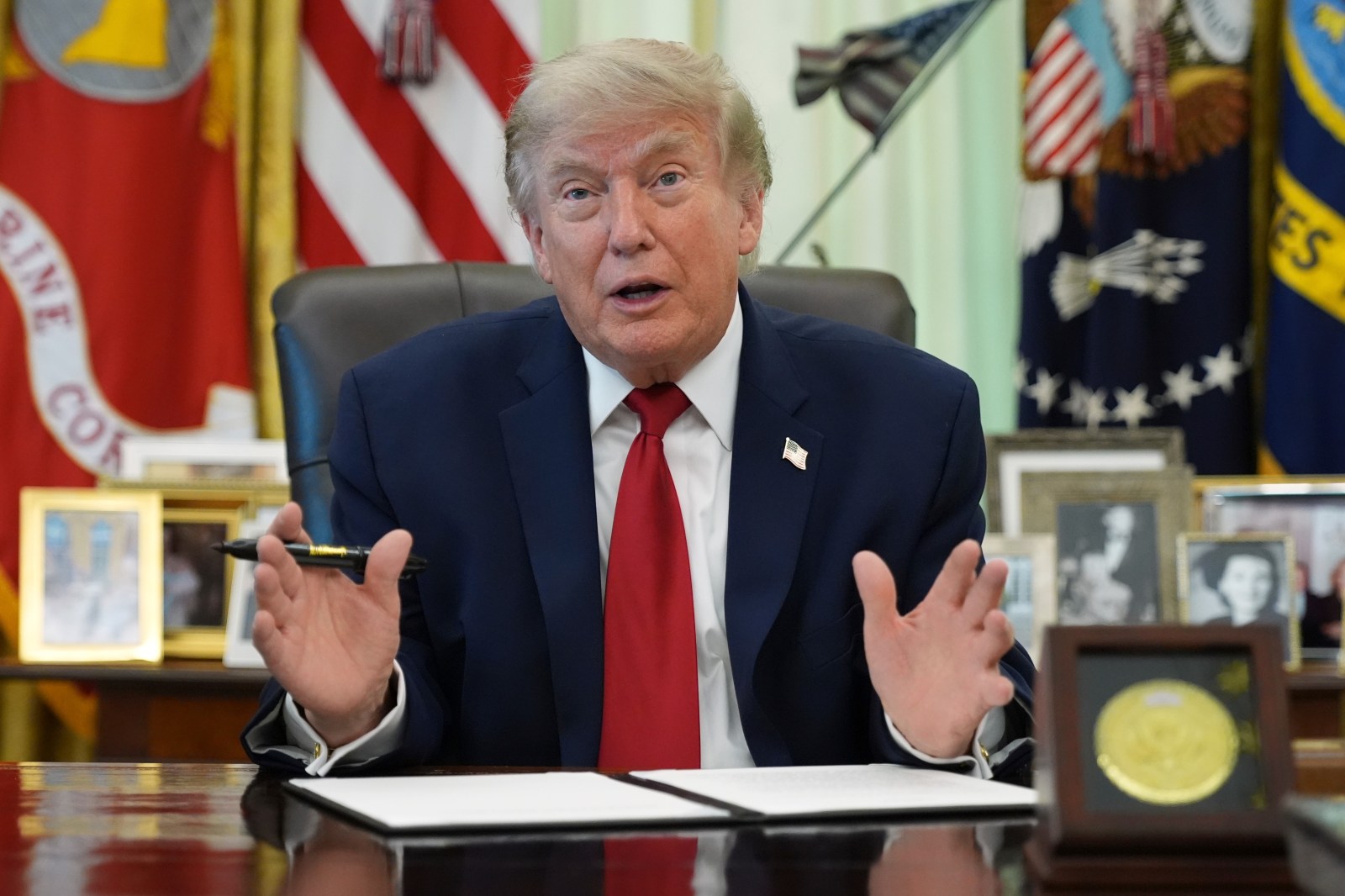
President Donald Trump’s decision to reconsider the automatic renewal of the United States-Mexico-Canada Agreement (USMCA) has introduced significant uncertainty in North American trade. The possible outcomes could directly impact American consumers.
U.S. Trade Representative Jamieson Greer communicated that while the current form of USMCA will not be renewed, it will remain in effect “pending resolution of these issues or until the Agreement’s termination.” The United States seeks to address the agreement’s shortcomings and trade deficits with Mexico and Canada.
Canada had initially requested a 16-year renewal of the trade pact set to end in 2036, but the Trump administration’s decision to decline this request has moved the pact into an automatic annual review mechanism for the next decade as negotiations continue.
“The move doesn’t immediately end the trade deal, but it creates a period of uncertainty for businesses that rely on the agreement’s rules,” Greer emphasized.
The U.S. and Mexico plan to engage in a third round of bilateral talks in Mexico City during the week of July 20, although no formal talks with Canada have been scheduled.
Last month, Trump indicated his reluctance to renew the deal. He described NAFTA, the previous agreement, as “the worst trade deal” his administration had encountered. He made improvements through USMCA but added he had the option to terminate it if necessary.
Impact on Consumers and Businesses
Industry leaders and trade experts have encouraged the U.S., Mexico, and Canada to extend the agreement to prevent uncertainty and potentially higher prices for consumers. The USMCA has significantly integrated North America’s economy, with goods moving between the U.S., Canadian, and Mexican borders regularly.
For grocery shoppers, Mexico is a substantial supplier of fresh produce. Disruptions could affect the cost of goods like tomatoes, avocados, berries, and peppers. Economists suggest that new tariffs or trade barriers might see businesses shifting some added costs down the supply chain, potentially increasing prices for consumers.
The North American auto industry also relies heavily on cross-border supply chains, with car parts frequently moving between the three countries. Changes in tariffs or trade rules could raise production costs, influencing the prices of new vehicles and parts.
Why the USMCA Agreement Matters
The USMCA, which replaced the North American Free Trade Agreement (NAFTA) in 2020, governs the movement of goods and services between the U.S., Mexico, and Canada. The agreement addresses tariffs, labor standards, agriculture, automobiles, and intellectual property.
The agreement’s supporters argue it provides business stability and fortifies North American supply chains. Conversely, critics claim some provisions inadequately protect certain U.S. industries.
Industry Leaders and Experts’ Opinions
Chad P. Bown, former Chief Economist at the U.S. Department of State, asserted that one of Trump’s motivations for re-evaluating the agreement was to limit Chinese-made components or investment through Mexico or Canada into the U.S. market.
“The underlying concern is really about China,” Bown commented. “They’re trying to figure out how to craft new rules to decrease Chinese input assembly into vehicles shipped to the U.S.”
Bown mentioned that Mexico increased tariffs on Chinese imports, aligning with U.S. concerns, while Canada’s policies have been fluctuating.
“All three countries need to be on the same page for a unified North American supply chain,” he added.
He reinforced that divergent approaches among the three countries could result in increased costs.
The Alliance for Automotive Innovation and others acknowledged USMCA’s success for the U.S. auto industry. They stressed the importance of extending USMCA to continue supporting the sector’s growth.
Phil Lempert, a food industry analyst, expressed concerns about the uncertainty’s effect on the grocery business, designating the situation as a “slow-motion collision.” He warned about increased costs for produce, groceries, and packaged goods.
Business Roundtable CEO Joshua Bolten highlighted USMCA’s economic benefits and encouraged cooperation among the U.S., Canada, and Mexico for reducing economic friction and enhancing competitiveness.
Potential Risks if Agreement Fails
Should negotiations falter, products most reliant on North American supply chains could face price hikes. Fresh produce, such as fruits and vegetables from Mexico, automobiles, agricultural products, processed foods, and household goods manufactured in North America might see increased costs.
Although some businesses might absorb costs or modify approaches to mitigate consumer impacts, the situation adds uncertainty.
Could This Lead to a New Trade Conflict?
The decision to avoid automatic renewal introduces the possibility of prolonged disputes among the U.S., Canada, and Mexico, potentially leading to a broader trade conflict. Closely connected economies, any disagreements could prompt retaliatory measures and disrupt business operations.
Trade experts suggest outcomes will depend heavily on subsequent negotiations. A revised agreement could eventually bring more certainty, with unresolved issues posing economic risks. Consumers remain attentive to developments as the USMCA holds but faces future scrutiny.