Uncovering the Pirate Past Linked to Jones Beach
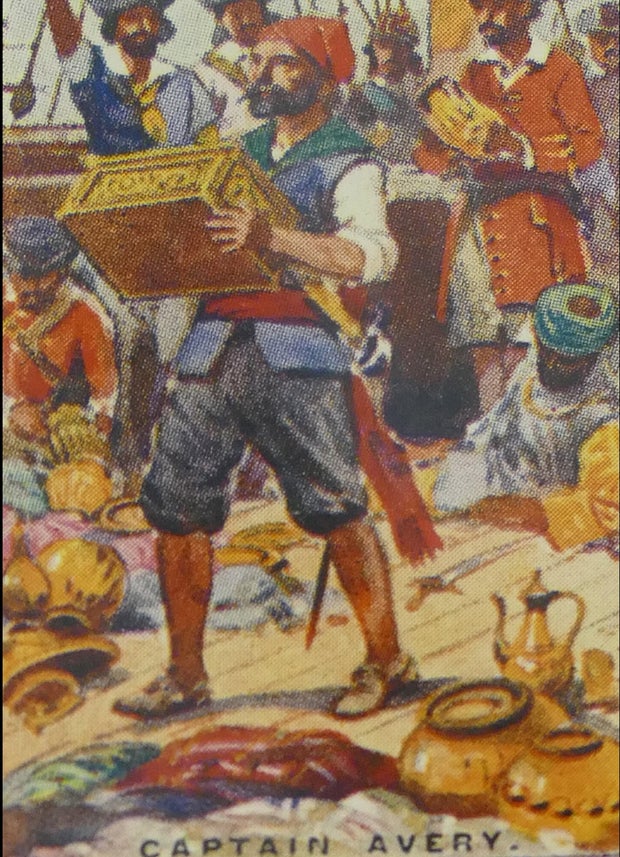
An intriguing clue to the mystery of a notorious pirate, who once plundered a royal Indian treasure ship, has been discovered by an amateur historian. The clue points to a co-conspirator whose name resonates with many New Yorkers.
Discovery and Historical Analysis
Five years ago, James Bailey gained attention for finding ancient coins linked to English pirate Capt. Henry Every. Now, Bailey’s research into colonial-era documents suggests that Thomas Jones, aligned with Every, played a significant role in his piracy escapades. Jones Beach, New York’s heavily visited state park, often attracts millions, yet the association with a major player in a historic heist is largely unknown.
Documents reviewed by Bailey position Jones as a pivotal aide. It seems Jones aided the pirate crew following their raid in 1695 on the Ganj-i-Sawai, a ship traveling the Red Sea. The raid, marked by brutality, prompted international outrage and the first global manhunt. While some pirates faced capture and execution, others disappeared, possibly hiding across Europe and American colonies.
The Role of Thomas Jones
Additional documents suggest Jones facilitated the pirates’ escape, serving as a ‘wheelman’ post-heist, helping evade authorities. Jones later emerged as a successful whaling operation proprietor on Long Island, prompting an investigation by New York’s governor due to his piracy ties. Local history books vaguely hint at Jones’ past, but Bailey’s research aims to provide more clarity.
Jones’ Legacy
Jones, post-military career, relocated from Rhode Island to New York, assuming roles as a businessman and landowner. Tales of his early fortune persisted long after his death in 1713, as rumors suggested connections to piracy. Even his grave, frequently pillaged by treasure hunters, reinforced the pirate narrative.
A 1906 family history attempted to refute these pirate affiliations, labeling them as malicious myths. Yet, experts suggest Jones might have engaged in piracy as a former privateer—privateers being crown-sanctioned ship raiders during wartime.
Evolving Reputation
Post-piracy, Jones returned briefly to Rhode Island before relocating to Long Island, aided by land gifts from wealthy relatives. He established a homestead and family, attempting to distance from pirate-friendly New England.
Three years after the Ganj-i-Sawai affair, witness testimonies sparked investigations by New York’s governor. Despite accusations of wealth acquisition through piracy—like the suspected shipment of ‘money barrels’—Jones denied knowledge of pirate loot.
Historic Wealth Through Piracy
While Bailey’s work intrigues, experts warn against drawing firm conclusions. Notably, Thomas Jones is a common name. These findings highlight how piracy once served as a wealth source for many reputable Northeast families.
Kevin McDonald, Loyola Marymount University professor, suggests such evidence challenges typical pirate outcast imagery. Blakemore, from the University of Reading, agrees; early British colonies often intertwined socially and economically with piracy.
Related Context and Settings
Jones Beach evolves as a recreational site without widely known pirate associations.
Understanding the past relations between piracy and colonial prosperity offers insight into historical wealth-building tactics.