Understanding a Dog’s Wagging Tail
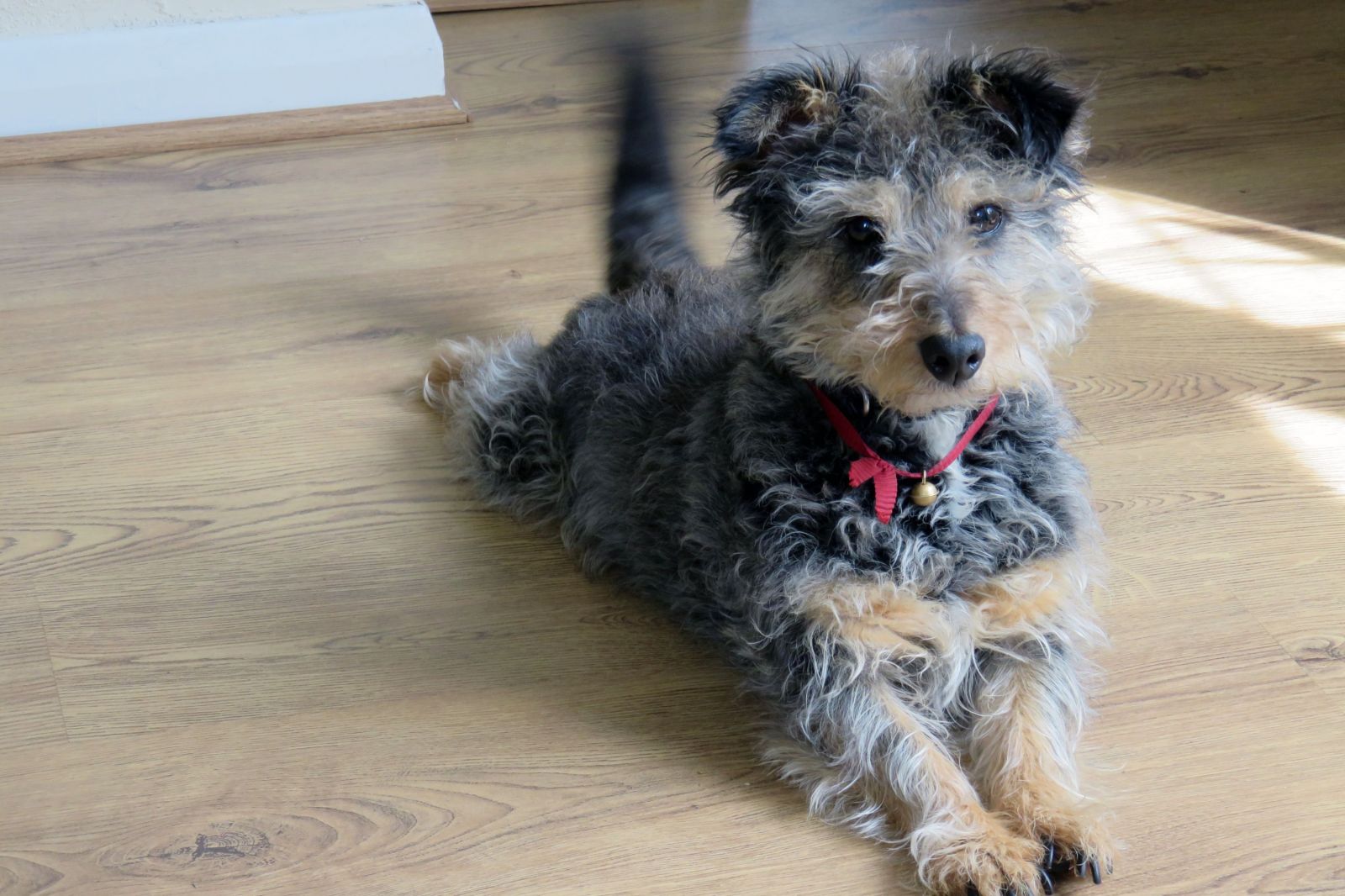
When a dog approaches with a wagging tail, you might instinctively feel invited to say hello. However, it is important to observe carefully before reaching out. While a wagging tail often suggests happiness, it might also indicate fear, anxiety, or agitation. Misinterpreting these signals might lead to discomfort for both people and dogs.
“A wagging tail can mean a dog is happy, but it can also mean quite the opposite,” Mike Gould, a canine expert and co-founder of Hounds Town USA, explained. It’s crucial to understand the range of emotions dogs express through their tails.
Why Do Dogs Wag Their Tails?
Dogs communicate emotions through various behaviors, not solely through their tail wagging. Consider their overall body language: posture, ears, facial expressions, and environmental context. “I always tell people to ‘read your dog,'” Gould advised, likening it to examining a photograph. Zooming out aids in understanding the full picture.
A dog might wag its tail due to happiness. Yet, tail movements can also occur when a dog feels fear, anxiety, stimulation, or defensiveness. In these cases, a wag signals activation by an environmental factor, like another animal, an unfamiliar person, or a sudden sound. A dog might still wag its tail when preparing to defend itself, so don’t always interpret this as an invitation to approach.
What Different Tail Wags Can Mean
A dog’s tail wag can vary, and its position and movement offer additional clues. A broad, loose wag often means comfort and social ease. A low or tucked tail suggests fear. A high, tight, fast-moving tail might show excitement or agitation, while a raised, stiff tail indicates alertness to something nearby. Dogs sense smells and sounds before humans, so tail position changes might be initial signs of detected stimuli.
Look Beyond the Tail
Owners should assess whether a dog’s entire body appears loose or tense, alongside changes in the face, ears, mouth, and hackles. For instance, a relaxed dog may suddenly close its mouth after hearing a car or noticing something that catches its attention. “Those physical cues help distinguish a dog that’s comfortable and socially engaged from one whose attention or emotional state has shifted,” noted Gould.
While every dog has baseline behaviors, some dogs are naturally harder to read. Observing your own dog aids in recognizing normal behaviors and noticing changes.
When a Wagging Tail Can Be Misleading
Greetings can lead to misunderstandings in interpreting a dog’s body language. A wagging tail might lead someone to think, “They want me to pet them,” while the dog may feel uncertain. Breed stereotypes further complicate assumptions. A Labrador and a pit bull exhibiting the same behavior might be interpreted differently. Paying attention to the individual dog and its immediate signals is crucial.
What Should You Do If a Dog Seems Uncomfortable?
If a dog’s tail wags but its body language suggests discomfort, give it space instead of assuming it wants attention. Humans influence a dog’s environment, so our body language impacts its comfort level. Lowering your gaze and getting closer to the dog’s level may ease its tension. Allow the dog to approach on its own terms.
For a fearful dog, chasing it or moving closer may intensify its desire to create distance. Soften your approach, provide space, and let the dog decide whether to come closer.
Read the Whole Dog
No single tail wag can definitively communicate a dog’s feelings. Owners who observe their dogs frequently become skilled in recognizing normal behavior and noticing deviations. “Dogs are always telling us something about themselves,” Gould emphasized. “Our job is to learn their language rather than assume they’re speaking ours.”