Understanding ADHD in Women: Diagnosis, Challenges, and Opportunities
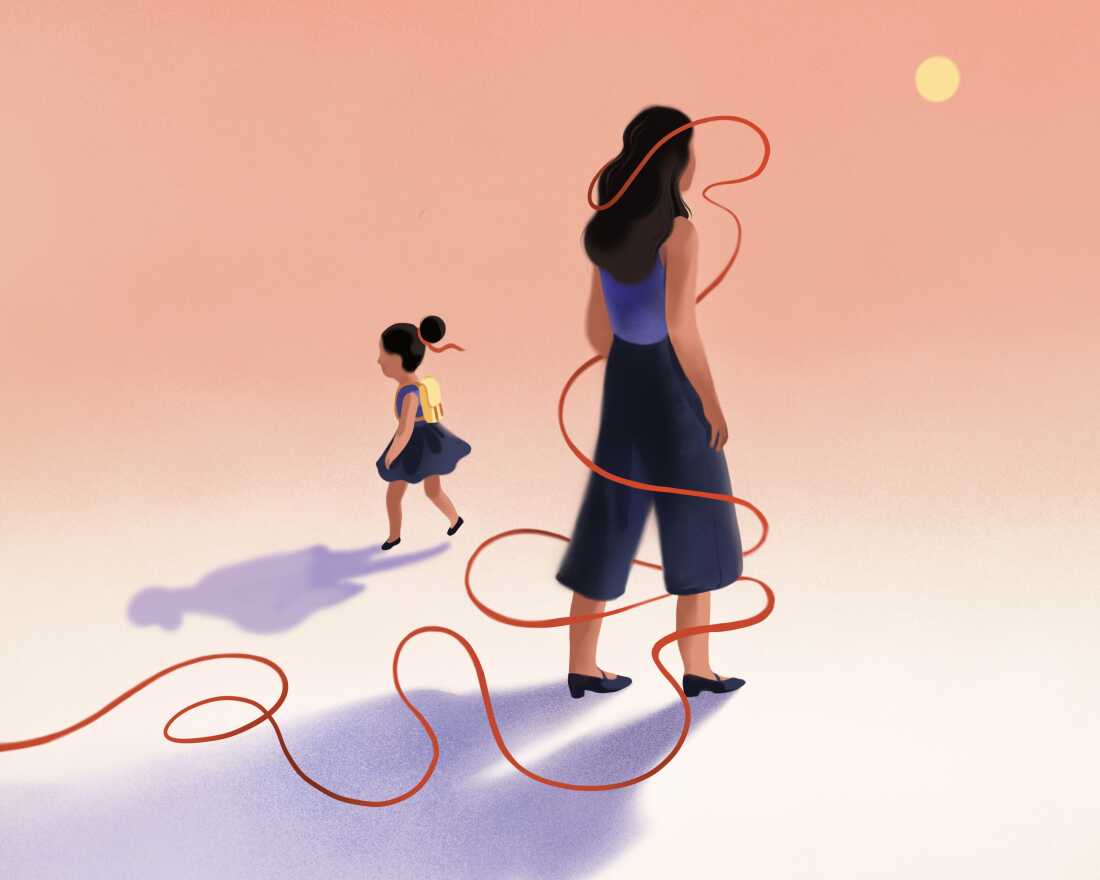
For Kate Jarvis, school was manageable during her early years. A straight-A student in the 1980s, she excelled in creativity and organization, even preparing her toothbrush each night. Her mother called her ‘bright-eyed and bushy-tailed.’ But with puberty, her focus waned, and her grades dropped. ‘It really hit my self-esteem badly,’ she explains. By high school, anxiety and depression became part of her life. She struggled with fitting in and faced comments from teachers like, ‘Kate has so much potential, if only she’d apply herself.’ It wasn’t until her late 30s that she discovered undiagnosed ADHD was the root issue.
Jarvis describes her ADHD diagnosis as a pivotal moment. ‘Something I had been wrestling with for 25 years had a name, causes, symptoms, and effects.’ However, understanding the condition brought new challenges. ‘Just because you know what something is, doesn’t mean you can immediately fix it.’
Research indicates Jarvis’ experience is common. ADHD was long considered a childhood disorder affecting mainly boys. Julia Schechter, a clinical psychologist, notes that ADHD often manifests differently in girls, making it less obvious. Girls are usually perceived as distracted, which can lead to late diagnoses, sometimes only in adulthood.
Consequences of delayed ADHD treatment include challenges in social relationships and impulse control. Schechter emphasizes these risks are pronounced for women, leading to difficulties in friendships and higher risks of abuse and health issues including obesity and cardiovascular disease. Dr. Patricia Quinn explains these can stem from impulsivity and lifestyle challenges associated with ADHD.
A UK study revealed women with ADHD have a lower life expectancy, highlighting the gravity of the condition. Despite this, many are unaware of the serious nature of ADHD. There’s been an increase in diagnoses, with nearly 7 million adult women in the U.S. diagnosed as of 2023. Gender differences in ADHD have become more recognized, leading to heightened diagnoses among women.
The Breaking Point and Diagnosis
Women often mask symptoms for years until life’s complexities unravel those coping strategies. Ellen Littman, a clinical psychologist, states many women reach a critical mass where they can no longer manage effectively. For Amy Reyer, that moment arrived at 48, balancing family and career pressures. She had always worked harder to keep up due to her struggles with focus and anxiety.
After Reyer’s son was diagnosed, she suspected she also had ADHD. The revelation came in her late 40s, changing her perspective and treatment approach. Medication brought clarity and improved focus, providing significant relief.
Treatment and New Approaches
Treatment isn’t limited to medication. Dr. Quinn suggests that hormone replacement therapy can be useful during perimenopause. Cognitive behavioral therapy is vital for addressing lifetime demoralization. Littman urges women to reshape their self-perception from viewing themselves as flawed to understanding ADHD’s impact.
Clinical psychologist Kathleen Nadeau advocates lifestyle changes, like exercise and diet, for managing ADHD. Encouraging environments where strengths are leveraged is also key, which can lead to career shifts for some.
The Journey to Self-Acceptance
For Ruth Danoff, an ADHD diagnosis at 50 led to a deep understanding of her lifelong struggles. It also inspired a career change at 65; she now supports other women with ADHD, working with the Duke Center for Girls and Women. Her mission is clear: to spare other women from similar struggles.
Kate Jarvis emphasizes the power of seeking a diagnosis at any age. Discovering her ADHD led to therapeutic and medicinal aid, ultimately fostering self-acceptance and joy.