Understanding Birthright Citizenship and the Ongoing Debate
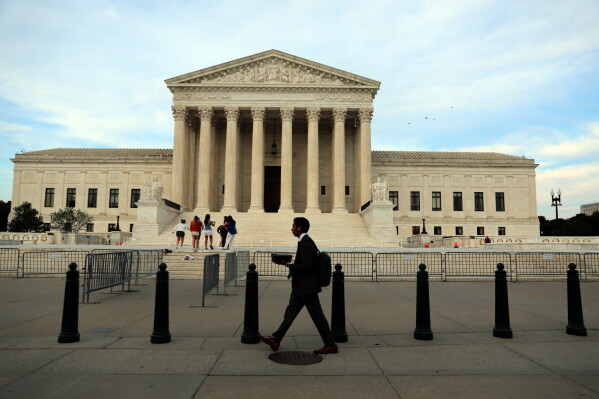
The Trump administration has openly criticized birthright citizenship. This practice grants automatic citizenship to most people born on U.S. soil. It is currently facing a Supreme Court review. President Donald Trump described it as “a disgrace.” White House adviser Stephen Miller labeled it “the gravest constitutional abomination.” Vice President JD Vance in 2025 called it “the dumbest immigration policy,” asserting the U.S. is the only country with such a policy. This claim is incorrect.
The Supreme Court’s decision on Trump’s executive order could change over a century of legal history. Trump stated the outcome depends on a few individuals. He expressed hope for a favorable decision.
Historical Background
Birthright citizenship became law with the 14th Amendment in 1868. This occurred post-Civil War, partially aiming to ensure former slaves gained citizenship. The landmark Wong Kim Ark case in the late 1800s extended it to children of immigrants. Subsequent Supreme Court decisions confirmed citizenship for anyone born in the U.S., even if their parents were in the U.S. illegally or temporarily. Exceptions are rare, mostly involving children of diplomats.
This principle became integral to U.S. law. Historically, it was not controversial, even among many Republicans. During a 1984 naturalization ceremony, President Ronald Reagan praised immigrants for their contributions to America.
Trump’s View on Birthright Citizenship
Trump’s campaigns consistently opposed immigration. Rising illegal border crossings intensified public frustration during the Biden administration. In one month, border arrests from Mexico hit 250,000. Trump considers birthright citizenship a “magnet for illegal immigration.” Officials often cite illegal “birth tourism” where non-U.S. citizens come solely to give birth. Legal arguments center on the phrase “subject to the jurisdiction thereof” in the 14th Amendment. Contrary to most legal scholars, some argue this allows denying citizenship to babies of illegal immigrants. However, this approach faced skepticism from some conservative Supreme Court justices during oral arguments in April.
The Global Perspective
Trump claimed the U.S. is the only country with birthright citizenship, which is false. Globally, many countries follow different citizenship principles. In most, a child’s citizenship depends on its parents, not birth location.
However, numerous countries in the Americas, like Canada and Mexico, practice unrestricted birthright citizenship. Others, including Germany and Australia, use mixed approaches, considering factors like parentage, birthplace, residency, and ethnicity.