Understanding Cyclospora: Risks and Safety Measures for Fresh Produce
Health officials across the United States are examining an increase in cyclosporiasis cases. Consumers are anxious about the safety of fruits and vegetables concerning this parasitic illness. Experts assert that no fresh produce is entirely free from risk. However, certain foods present lower risks due to their cultivation, processing, or preparation methods.
Ongoing Investigation and Symptom Overview
The Centers for Disease Control and Prevention (CDC) are investigating hundreds of cyclosporiasis cases across at least 31 states. Common symptoms include watery diarrhea, nausea, fatigue, and stomach cramps. Some people experience “explosive” bowel movements lasting several weeks if untreated. Historically, U.S. outbreaks were linked to fresh produce like bagged salads, cilantro, basil, and raspberries. Currently, federal officials haven’t identified a specific food source for the recent cases.
The Cyclospora Parasite Explained
Cyclospora cayetanensis, the parasite causing the illness, contaminates food or water with human feces. People become infected by ingesting contaminated food or water holding cyclospora oocysts. Unlike many foodborne pathogens, cyclospora only infects humans and requires time in the environment before infecting others. Therefore, fresh produce contamination is more common than person-to-person transmission. The U.S. Food and Drug Administration (FDA) notes cyclospora’s association with fresh produce domestically and internationally. Conventional disinfectants, including chlorine-based washes, are usually ineffective against it.
Preventing Cyclospora in Food
Fresh produce is frequently linked with cyclospora outbreaks due to contamination in fields stemming from tainted water or poor sanitation. Avoiding fresh produce isn’t necessary. Risk levels vary by type. Fresh herbs, leafy greens, and delicate berries pose higher risks as they are typically eaten raw and often difficult to clean thoroughly. Conversely, canned fruits and vegetables are safer because canning involves heat that kills pathogens and parasites.
Fruits and Vegetables at Lower Risk
Texas State University’s Rodney Rohde mentions certain fruits with thick, inedible peels as lower-risk options. These include:
- Bananas
- Citrus fruits
- Avocados
- Pineapples
- Watermelons
- Mangoes
During outbreaks, reduce risk by avoiding produce identified in investigations, opting for cooked vegetables, and selecting peeled fruits.
More on Produce and Cyclospora
Items like raspberries and cilantro often harbor the parasite due to their surface texture, according to University of Delaware’s Kalmia Kniel. Oocysts can cling to raspberries’ projections, whereas smoother fruits like blueberries offer fewer attachment sites. Leafy greens can trap oocysts in their cuts, yet removing the outer layers lowers risk. Cooking is a reliable method to eliminate cyclospora, making cooked vegetables safer. While washing removes some contaminants, it may not eliminate cyclospora. Cooking fully inactivates the parasite.
Examples of safer cooked produce include:
- Corn
- Green beans
- Peas (raw pea pods have been sources in past outbreaks)
- Squash
- Cooked spinach
Home-Grown Produce and Risk Reduction
Home-grown or farmer’s market produce can mitigate contamination risks tied to commercial farming and distribution. However, it doesn’t nullify the cyclospora threat. Contaminated water, soil, or improper sanitation can still introduce the parasite. Rodney Rohde emphasizes that safe water and sanitation methods can lessen risk, but these practices do not render home-grown produce inherently safer.
Watering methods matter—drip irrigation, which waters a plant’s roots, might reduce cyclospora risk for above-ground fruits like tomatoes. Parasites don’t pass through roots, but overhead watering with contaminated water could taint exposed produce. Drip irrigation using contaminated water could still affect root vegetables or ground-level produce.
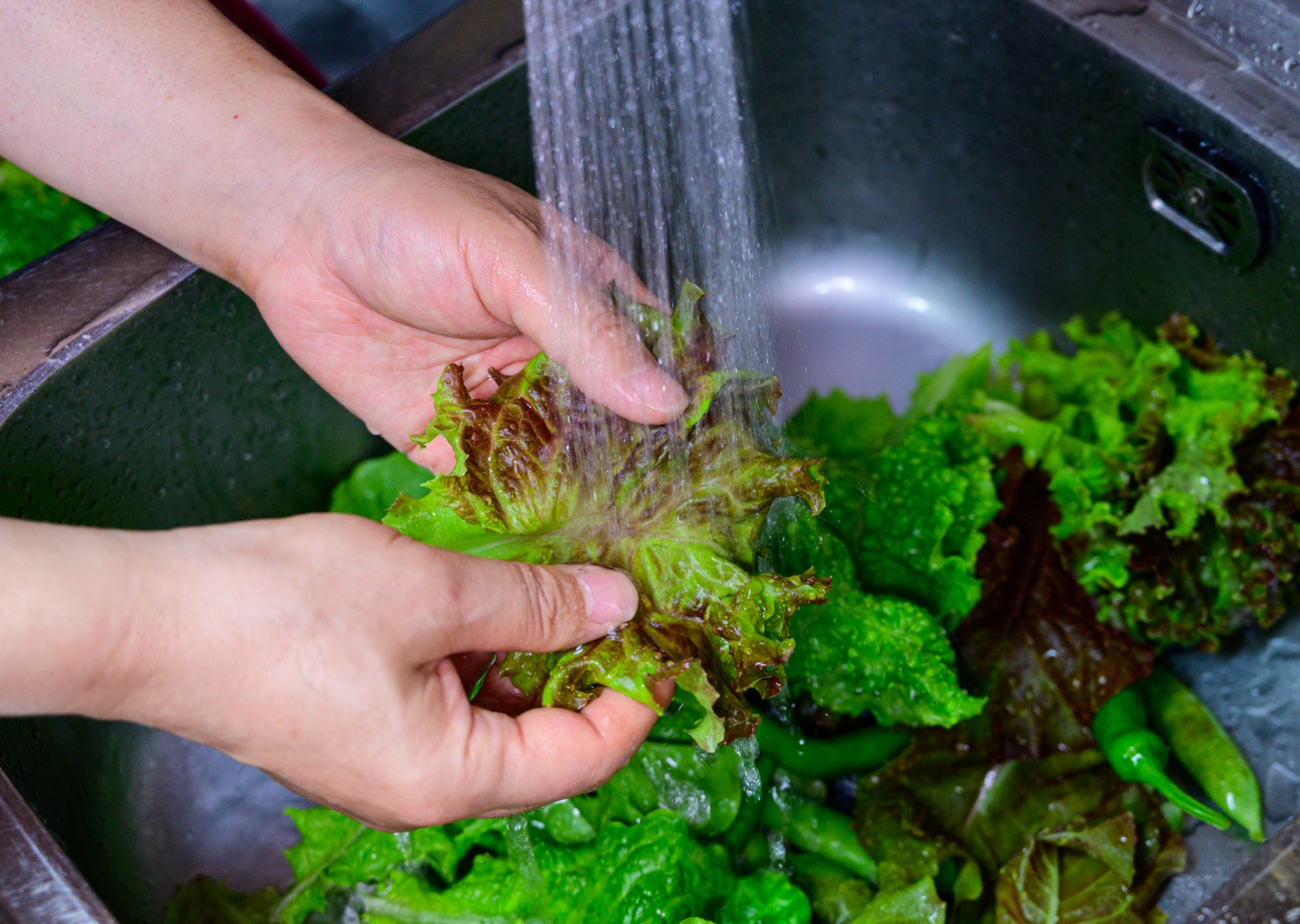
Risk reduction strategies include washing produce under running water, refrigerating cut fruits and vegetables, steering clear of recalled food sources, and opting for cooked or canned varieties if concerns arise.
Current Status
The source of the recent outbreak remains unidentified. While investigations continue, health agencies affirm the importance of consuming fruits and vegetables as part of a nutritious diet.
For inquiries or further information, contact Newsweek editors Jason Lemon and Gray R. Thomas.