Understanding Menopausal Brain Fog and Cognitive Changes in Women
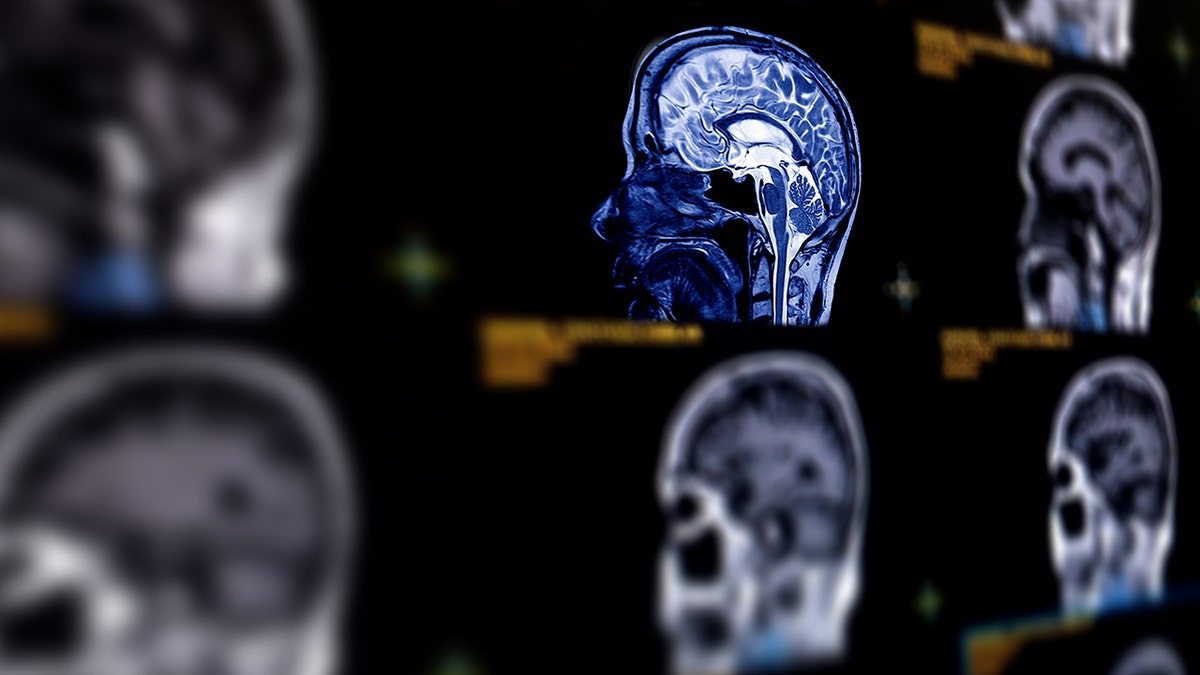
Losing track of thoughts, forgetting familiar words, or misplacing items can raise concerns for older adults. Many wonder if these are early signs of Alzheimer’s or dementia. However, experts highlight that such brain blips often link to hormonal changes in later life, especially in women experiencing estrogen loss during perimenopause and menopause.
Role of Estrogen Loss
Dr. Rhonda Voskuhl, a professor of neurology at UCLA and co-founder of Cleopatra RX, emphasizes the need for women to assess their cognitive function based on their past experiences before assuming the worst. She advised, “They should listen to themselves. Just ask yourself.”
Ten-Year Assessment
To understand if memory lapses relate to hormonal changes, Voskuhl suggests using a ten-year benchmark. Assess your current mental state against how it was a decade ago. This can help determine whether cognitive changes are tied to menopause and offer a baseline for tracking symptoms.
The Centers for Disease Control and Prevention notes that about one in nine adults experience subjective cognitive decline. Nonetheless, less than half discuss these concerns with healthcare professionals.
Understanding Subjective Cognitive Decline
Standard memory tests might not detect subtle cognitive shifts, known as subjective cognitive decline. Voskuhl likens this to an athlete recognizing a drop in performance that isn’t captured by standard neurological tests.
Women often notice when their cognitive abilities shift and should trust their observations. Such declines are temporary and may involve misplacing items or having slower processing speeds. These symptoms can fluctuate and worsen with stress or poor sleep.
Differentiating from Neurodegenerative Disease
Contrasting with menopausal brain fog, early dementia involves persistent memory loss affecting daily tasks, like managing finances or following familiar routes. Experts recommend a comprehensive medical evaluation to rule out other health issues.
If medical concerns are dismissed, Voskuhl advises finding a new doctor. Seek thorough evaluations, including brain MRIs or vascular screenings, to identify potential underlying issues.
Khloe Quill, a lifestyle writer with Fox News Digital, covers a diverse range of topics, including health, travel, and lifestyle.