Understanding Protein: Needs, Sources, and Misconceptions
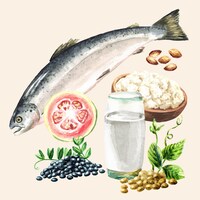
Protein is a vital macronutrient frequently discussed and often misunderstood. It has become a key focus for many, driven by fitness enthusiasts and influencers encouraging higher intakes. As a result, companies are marketing high-protein products, including unexpected options like coffee and soda. But do you really require an excessive amount of protein?
Understanding protein’s role is crucial. As a macronutrient, it is essential for health, alongside fats and carbohydrates. Composed of amino acids, protein aids muscle building and the synthesis of hormones, enzymes, antibodies, neurotransmitters, and more.
To better gauge your protein requirements and dietary adjustments, consider the following:
- Excessive protein intake can strain the kidneys and lead to dehydration or other health issues.
- Insufficient protein may result in muscle loss, weakened immunity, and slow recovery from illness.
- Periods of growth, recovery, or intense physical activity call for increased protein consumption.
- While peanut butter offers protein, it’s not the highest among plant-based sources. Consider lentils, chickpeas, and quinoa.
- Meats like chicken breast provide significant protein per serving compared to other types.
- Aging may necessitate adjustments in protein intake to maintain muscle mass and function.
- Fruits like guavas contain modest protein levels compared to other foods.
- Tofu, tempeh, and legumes are substantial plant-based protein sources.
- Seafood like shrimp tend to have lower protein content compared to others.
- Excess protein can impact kidney health negatively, particularly in individuals with pre-existing conditions.
- High-protein breakfasts might include eggs, Greek yogurt, or cottage cheese.
- Whey protein powder, derived from milk, provides a concentrated protein source.
Test your understanding of protein needs and sources. Adjust your diet accordingly to ensure optimal health.