Understanding the Challenges and Risks of Discontinuing GLP-1 Medications
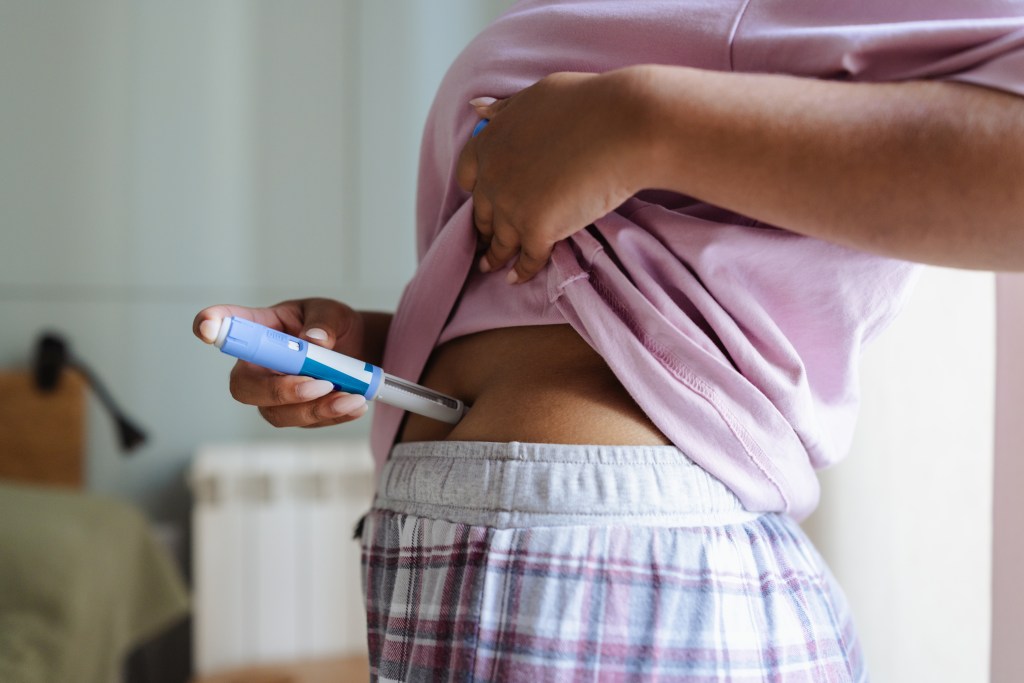
GLP-1 medications, such as Ozempic, Wegovy, and Zepbound, have greatly influenced weight management and diabetes control. However, studies reveal that many patients discontinue these drugs within a year. Ceasing their use can raise concerns about rebound effects, including rapid weight regain and loss of cardiovascular protection.
Reasons for Discontinuation
Patients may stop taking GLP-1 medications due to medical concerns or side effects, according to Dr. Frank Dumont, an internal medicine physician. Common side effects include nausea, vomiting, constipation, and diarrhea. Patients often find these side effects disturbing enough to affect their nutrition.
“Working with your physician to decide if continuing the medication is right for you is crucial,” Dumont advised.
Serious side effects like acute pancreatitis demand immediate cessation. Although rare, pancreatitis can be life-threatening.
Potential Post-Discontinuation Risks
Return of Hunger and Cravings
Stopping GLP-1 often results in a sharp increase in appetite and intense cravings, commonly known as “food noise.” Many patients mistakenly treat these medications as short-term solutions.
Organizations like the American Medical Association consider obesity a chronic condition, requiring continual management. Without a significant dietary shift, hunger and cravings typically return.
Weight Regain
Weight regain is common after ceasing GLP-1 use. The STEP 1 trial extension showed participants regained two-thirds of their lost weight within a year after stopping semaglutide and lifestyle interventions.
In another trial, patients on tirzepatide who switched to a placebo regained over half their lost weight within a year, even with dietary counseling.
“It can be heartbreaking for those who believed they had found a lasting solution,” Dumont commented.
Change in Biomarkers
While GLP-1 medications improve biomarkers such as blood sugar, blood pressure, and cholesterol, these benefits can reverse when the medication is stopped unless dietary changes are implemented.
Improvements in fatty liver disease may also decline after stopping treatment.
Worsening Body Composition
Weight loss with GLP-1s includes muscle loss, raising concerns about body composition and physical function. A study on tirzepatide found that 25% of the weight lost was lean mass.
Dumont worries that regained weight post-treatment might not include lost muscle, affecting metabolism and physical well-being.
Mental Health Effects
Aside from physical effects, discontinuing GLP-1 can impact mental health negatively. Many view GLP-1s as a final attempt after multiple unsuccessful diet trials.
“Experiencing setbacks after stopping the medication can be emotionally challenging,” Dumont noted. “You may feel like you’ve lost control.”
Loss of Health Protection
An observational study found that adults with type 2 diabetes who stop GLP-1s face higher risks of cardiovascular events than those who continue treatment. Extended periods without the medication increase these risks.
While on GLP-1s, reduced inflammation and improved cholesterol and blood sugar levels lower the chances of severe health incidents.
“Stopping the medication without dietary changes can deteriorate your health metrics, increasing the risk of severe health issues,” Dumont warned.
Strategies for Maintaining Progress
To maintain progress after discontinuing GLP-1s, achieving metabolic goals and lasting lifestyle changes is crucial. Dumont suggests implementing sustainable eating habits before stopping the medication.
“GLP-1s need to be accompanied by a feasible long-term dietary plan to allow successful discontinuation,” Dumont emphasized.
He recommends collaborating with the prescribing clinician to plan a safe treatment cessation and monitoring weight and blood sugar levels.