Understanding the Impact of Super El Niño on U.S. Weather Patterns
A strengthening super El Niño is anticipated to be the main influence on U.S. weather in the coming months. Forecasts indicate one of the most intense events in several decades, likely altering rainfall, storm tracks, and snowfall as fall transitions into winter.
El Niño occurs when ocean waters in the equatorial Pacific become warmer than usual, impacting atmospheric circulation and affecting weather globally. Confidence that this climate pattern will reach the super El Niño level is nearly certain, as reported by AccuWeather.
What Is a Super El Niño, and What Does It Mean for Fall and Winter?
A super El Niño is defined by exceptionally high warming in the tropical Pacific, enhancing atmospheric effects that influence global weather. Although the National Oceanic and Atmospheric Administration (NOAA) does not officially recognize the term “super El Niño,” they classify events by strength, such as “strong” or “very strong.” Other agencies use the term to describe intense El Niño conditions. NOAA has noted that the ongoing event may achieve “very strong” status by winter.
In the U.S., a typical super El Niño pattern results in increased storms in California and southern states. Northern areas often experience milder weather, while the Pacific Northwest may become drier. However, El Niño is just one factor in winter weather patterns, and individual storms may differ from seasonal predictions.
When Will the 2026 Super El Niño Impact U.S. States?
Some effects, which forecaster Paul Pastelok refers to as “previews,” are already noticeable. Droughts and fires in the Pacific Northwest and the Rocky Mountains may relate to warming in the Pacific Ocean. Dry conditions in states like Iowa and Nebraska in July might also be linked, though not direct effects of El Niño.
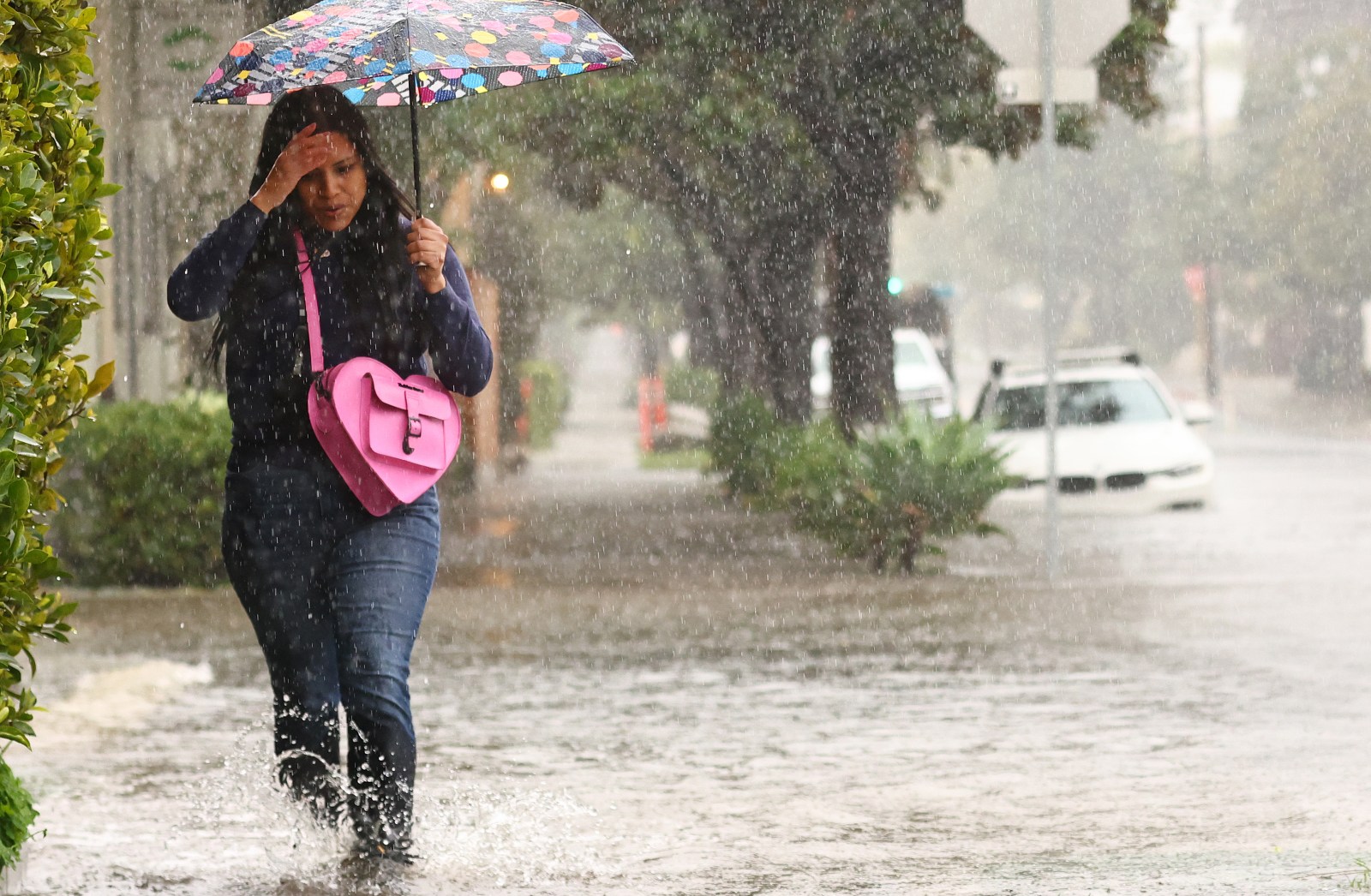
The most significant El Niño impacts occur in cooler seasons when northern and southern jet streams interact. The U.S. Southwest and territories from Texas to the Tennessee Valley could notice weather changes from late October to November. Increasing “upper lows” will heighten rain and flood chances.
In Florida and southern Georgia, severe weather is expected in November, with tornado risks in Jacksonville, Tampa, and Orlando. Southern California may start experiencing heavy rains in November, with patterns becoming more intense by December.
How Will the Super El Niño Impact the U.S. Ski Season?
The ski season outlook varies by location. Leading ski areas in Utah, Colorado, and California may benefit from stronger storm tracks and increased precipitation, boosting snowfall and improving snow conditions. The central Sierra Nevadas in California typically benefits from strong El Niño events, while Utah’s Wasatch Range may receive frequent snowstorms.
Conditions might be less favorable farther north. Oregon and parts of the Pacific Northwest may have below-average snowfall during strong El Niño winters. Rising temperatures linked to climate change could cause more winter precipitation to fall as rain rather than snow at lower elevations.
Super El Niño Snowfall Predictions
Forecasts from OpenSnow suggest stronger snowfall opportunities could shift toward the U.S. Southwest and southern Rockies. States like California and Utah are expected to see conditions favorable for above-average snowfall in mountain areas. Heavy Pacific storms could repeatedly impact the Sierra Nevadas and southern Rockies.
Elsewhere, the outlook is more uncertain. Colorado resorts could be at the division between wetter and drier storm tracks, leading to less predictable snowfall forecasts. Oregon, Montana, and parts of the northern Rockies could see decreased snowfall compared to average.
What Happens Next
While some El Niño effects might already be visible in parts of the Pacific, forecasters suggest its influence on U.S. weather will increase during fall and winter. As ocean temperatures rise and the atmosphere adjusts, El Niño may alter storm patterns, rainfall, and temperatures nationwide. The strongest impacts typically occur between late fall and early spring.