Unearthing History: Excavations at Notre Dame Cathedral
As tourists wait to scale the heights of Notre Dame Cathedral, there is another group working beneath them: archaeologists digging deep into the earth, uncovering remnants from Roman Paris, a city over 2,000 years old.
Since the devastating fire in 2019 that toppled Notre Dame’s spire, the cathedral was painstakingly rebuilt and reopened in 2024. Now, efforts are underway to transform the square in front of Notre Dame. However, before the soil can be disturbed, it must be explored to protect historical artifacts.
French media has called this endeavor the “dig of the century.” Lucie Altenburg, a conservator with the Paris archaeology unit, highlighted its significance for understanding Paris’s long history.
“It’s a rare opportunity for us to work on something that’s tangibly going to make a difference to the history of Paris,” she told The Associated Press.
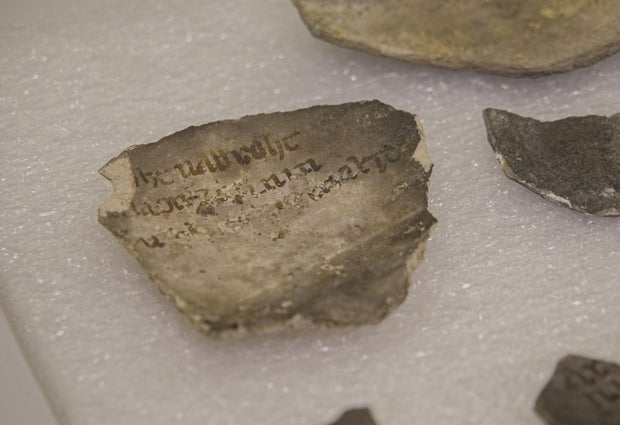
Among the numerous discoveries are a fourth-century coin featuring Emperor Constantine and undeciphered medieval pottery. Emily Carter, a tourist from Manchester, described how this excavation adds depth to the experience of visiting the cathedral:
“You come to see the cathedral, then realize there’s another city under your feet. That’s almost more moving.”
Archaeologists dig deep into the layers of Paris’s past. From medieval origins to Roman remnants, each layer is like a chapter in the city’s story. Camille Colonna, the lead archaeologist, remarked on the significant historical layers uncovered.
“Here you can see the layers – medieval Paris, Roman Paris, maybe even before that,” she said.
Rich findings have emerged from aged latrines used by medieval houses, filled with intact items such as jugs and cups amid broken ceramics and bones. Valentine Breloux, an archaeologist, noted the rarity of finding these complete ceramics.
The mysterious markings found on medieval pottery shards remain a puzzle for experts. Breloux highlighted these discoveries as particularly “astonishing.”
Coins, particularly those depicting Roman figures like Constantine, serve as crucial tools for dating archaeological layers. Altenburg explained their invaluable contribution to piecing together historical timelines.
Roman remains hold special value due to their age and historical significance. The Romans, who originally inhabited Paris’s Left Bank, left behind numerous artifacts, including reused building materials in unexpected locations, such as roads.
All items excavated leave the site and enter the city’s archaeology center, described by Colonna as “a huge archaeological store.” This facility holds countless treasures awaiting further study.
Paris’s decision to beautify the square has made the excavation possible. A new woodland clearing, set to be finished by 2028, will provide shade and relief from increasingly hot summers for those waiting to visit the cathedral.
Meanwhile, the archaeologists are keen to delve deeper, hoping to uncover evidence of the Gauls, who preceded the Romans. Altenburg expressed this ambition:
“The hope is that we are able to go back in time even further than we’ve ever been before.”
In recent years, additional significant discoveries have been made, including several ancient tombs and a lead sarcophagus likely dating back to the 14th century. These findings offer insights into the dignitaries of the time and the architectural history of Notre Dame.
In 2023, studies confirmed that Notre Dame was the first Gothic cathedral to extensively use iron staples in its construction, a discovery highlighted by the exposure of these staples during the 2019 fire.