Review of Talking Classics by Mary Beard
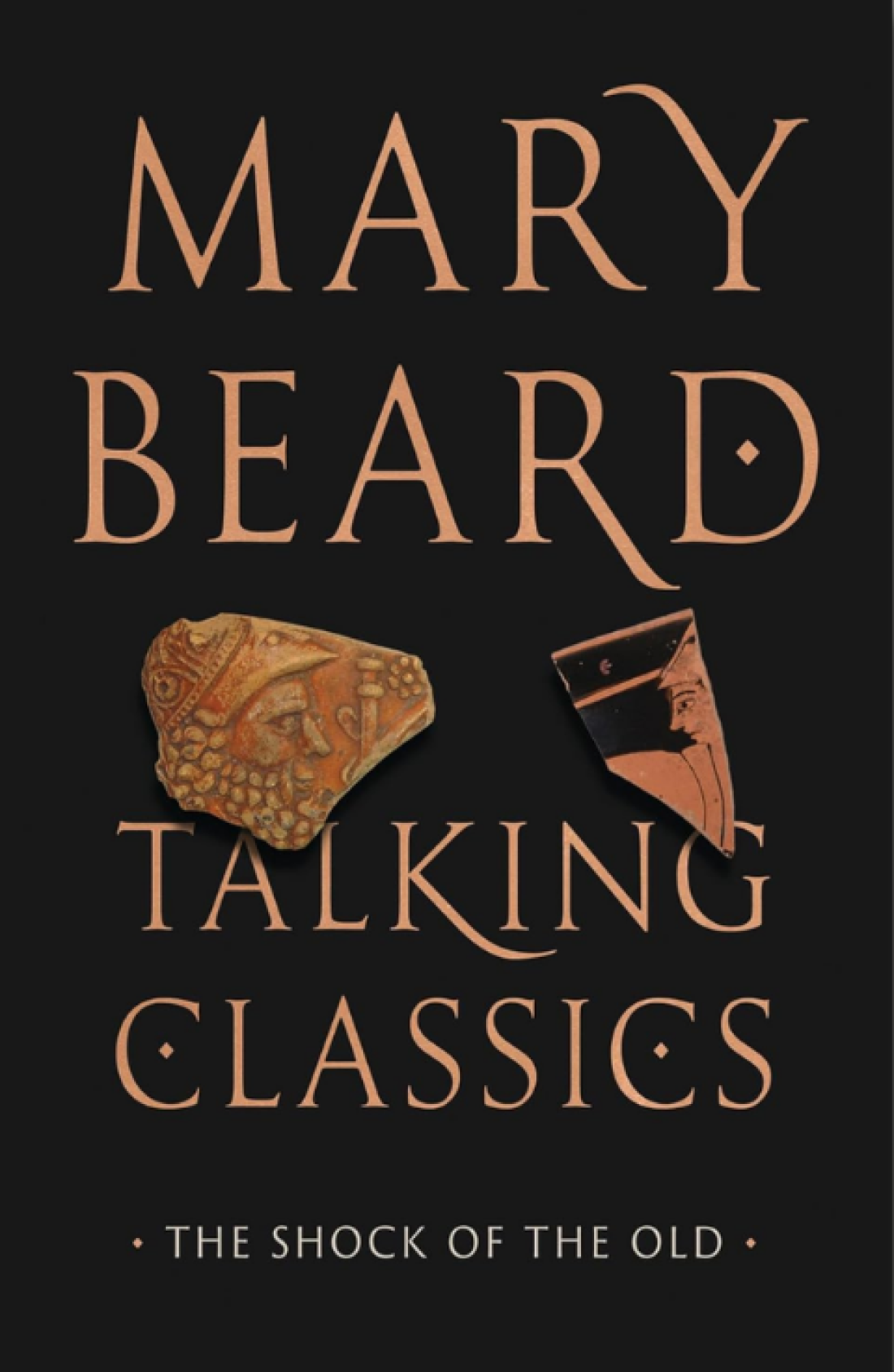
Mary Beard’s latest work, Talking Classics, captures the essence of her fascination with the ancient past. This acclaimed classics scholar recounts her first visit to London as a child, where a curious encounter at The British Museum sparked her lifelong exploration of history. Amidst the mummies was a display featuring a 4,000-year-old piece of bread, presented to young Mary by a helpful curator. This experience epitomized what the ancient Greeks termed thauma—a moment of wonder.
Beard’s book draws largely from lectures she delivered at the University of Chicago in 2023. Her approach to classics is engaging, characterized by a wit that makes the ancient world accessible. She frequently uses humor, like describing Medea’s husband as a ‘slime-bag,’ to challenge reverent perceptions of history. She opposes the exclusionary traditions within classical studies, dismissing those who advocate for classical architecture as symbols of authority.
One critical question Beard tackles is whether classical art and architecture are permanently tainted by historical misuse, such as by Mussolini or modern extremist groups. Despite these associations, Beard argues that the classics continue to wield radical power. Influential figures like Karl Marx and Nelson Mandela found inspiration in classical texts.
Central to Talking Classics is Beard’s quest to understand the ancient world, questioning what life might have been like. This curiosity fuels modern interpretations, seen in popular works like Madeline Miller’s The Song of Achilles and Circe, as well as Christopher Nolan’s anticipated film The Odyssey.
Beard emphasizes the alien nature of the classical world, noting how it reflects radically different ideas about the body, identity, and family. Antiquity lacked the mirrors and photography that define modern self-perception, making mistaken identity a common theme in ancient humor.
Beard champions the study of classics and humanities, arguing it teaches one to ‘read difficult things.’ Such skills are vital amid widespread misinformation today. Her book invites readers to ponder deeply, much like the ancient bread that captivated her as a child.