Uranium Mill Sparks Tribal Concerns
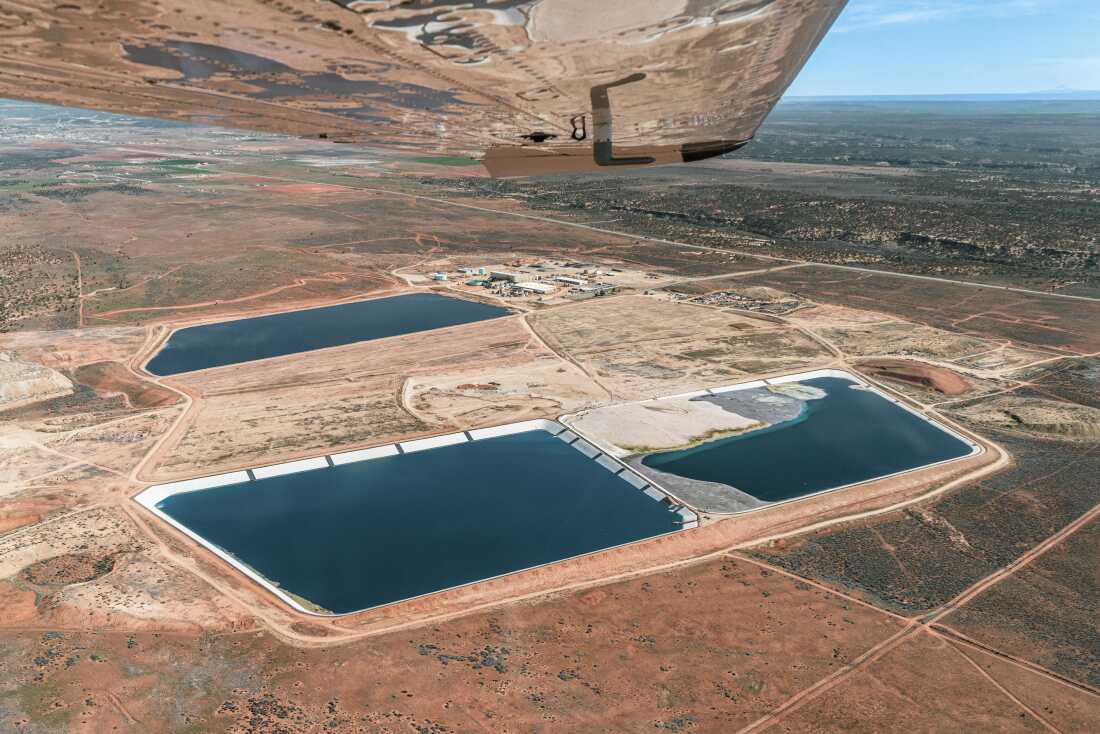
The White Mesa Mill, located in Blanding, Utah, stores radioactive waste in five tailings cells covering 284 acres of land. This site, seen from the air on March 22, is a point of contention for tribal communities near White Mesa.
Malcolm Lehi, a member of the Ute Mountain Ute Tribe, navigates rough terrain in search of Entrance Spring, a cool, mossy water source near the mill. The mill, operational since 1980, is the last conventional uranium mill in the US, producing yellowcake for nuclear fuel. Concerns linger around potential contamination of water and air, raising alarms among the White Mesa Ute Community, located about five miles south of the facility.
State regulators and Energy Fuels, the mill owner, assure that any pollution is contained. Despite these assurances, tribal members remain cautious, aware of uranium’s detrimental history in the Colorado Plateau. Many residents prefer bottled water, fearing local water contamination.
Increasing Uranium Demand
A federal law passed in 2024 bans Russian uranium imports by 2028, mandating the US to enhance domestic uranium production. President Trump’s vision to quadruple nuclear power capacity by 2050 heightens the focus on acquiring uranium, a key component.
The White Mesa Mill thus becomes central, exacerbating tensions between tribal worries and national economic needs. Increased demand sees more trucks transporting uranium ore to the mill, including from regions near tribal lands.
Tribal Opposition
Lehi, previously on the tribal council, aligns with other tribal groups in opposition to the uranium transportation routes through their lands, fearing groundwater contamination affecting future generations. Some contamination issues date back to the 2000s when elevated radionuclide levels were linked to the mill.
Historical Distrust
The distrust surrounding uranium mining is deeply rooted in historical negligence during the boom years from the 1940s to 1980s. Tribes like the Navajo suffered from higher cancer rates due to exposure, with mining companies often disregarding safety.
Energy Fuels’ Moore contends practices have improved substantially since then. He claims external radiation levels are effectively nonexistent, posing no health risk to local water supplies shielded by protective rock layers.
Community Concerns
Fear exists due to the White Mesa’s water safety. Residents often abstain from local water, suspicious of its quality despite assurances.
A 2023 health assessment found radiation levels unlikely to harm but could not conclusively rule out risks from radon emissions. Although violations of the Clean Air Act were rectified, lingering odors and reports of poor air quality persist.
Monitoring Water Safety
The tribe maintains vigilance over Entrance Spring and other water sources near the mill. Concerns about contaminated aquifers beneath disposal cells persist amid occasional pollution incidents. Identifying whether contaminants are naturally occurring or influenced by mill activities remains a priority.
Despite improvements claimed by Energy Fuels, tribal members like Lehi continue to advocate for environmental protection reminiscent of ancestral duties. Their efforts serve to safeguard water resources, crucial for survival in the arid landscapes of Utah.
This article received support from The Water Desk, connected to the University of Colorado-Boulder’s Center for Environmental Journalism. KFF Health News provides comprehensive health journalism, forming part of KFF’s independent research and analysis framework.