Volunteers Enhance Indiana Dunes with Marram Grass Planting
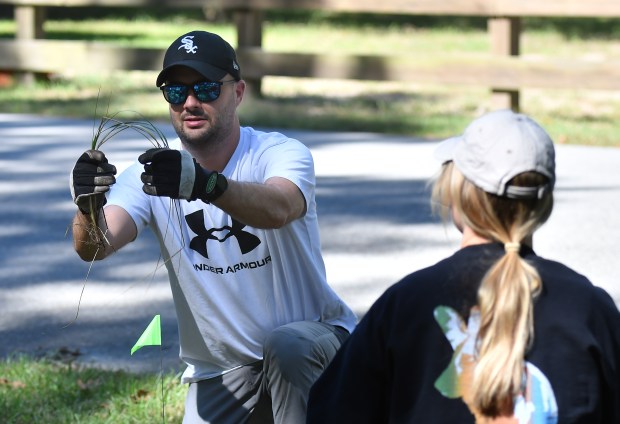
At Indiana Dunes State Park, volunteers transplanted marram grass from a parking area to a more suitable location. This event was part of National Public Lands Day, held on September 26, 2026, in Chesterton, Indiana. Volunteers learned not only how to plant marram grass but also its significance for the dunes.
The Importance of Marram Grass
Natural Resource Technician Jessica Deerwester explained to volunteers that marram grass, scientifically known as Ammophila breviligulata, stabilizes sand dunes. The roots anchor the sand effectively, spreading both horizontally and vertically. This grass is regarded as a pioneer species, initiating plant succession by establishing itself first in the sand. Deerwester mentioned its roots can spread six to ten feet each year, providing excellent drought resistance by curling its leaves to retain moisture.
Hands-On Planting Experience
Deerwester placed 78 flags to indicate where to plant the grass at the campground entrance. Once those spots were occupied, volunteers could plant in the remaining areas. If successful, the grass should cover the island within a few years. Deerwester demonstrated planting techniques, showing how to plant the stem just below the leaf base and secure the plants by folding the leaves to prevent wind damage.
Volunteer Participation
The event attracted approximately ten volunteers, leading to the planting of nearly 100 marram grasses. Vida Bartasius, a long-time park visitor, participated with enthusiasm, reflecting on her history with the dunes. Ben and Amanda Kalinowski, residents of Highland, also took part, citing their fondness for the area and previous involvement in native and pollinator-friendly plantings.
Dustin Moffitt of Plainfield, visiting the park with his family, shared their goal of exploring Indiana’s state parks. His daughter was particularly excited about participating in the event, blending family activities with park enhancement efforts.
Benefits for the Park
Transplanting marram grass will reduce maintenance efforts by eliminating the need for mowing this area, according to Deerwester. The dune grass also provides habitat for the fixed line racerunner, a swift lizard reaching speeds of up to 18 mph. The initiative not only beautifies the campground entrance but enhances the ecological integrity of the dunes.
Freelance reporter Doug Ross covered the story for the Post-Tribune.