Voter Concerns and Democratic Gains in Midterms
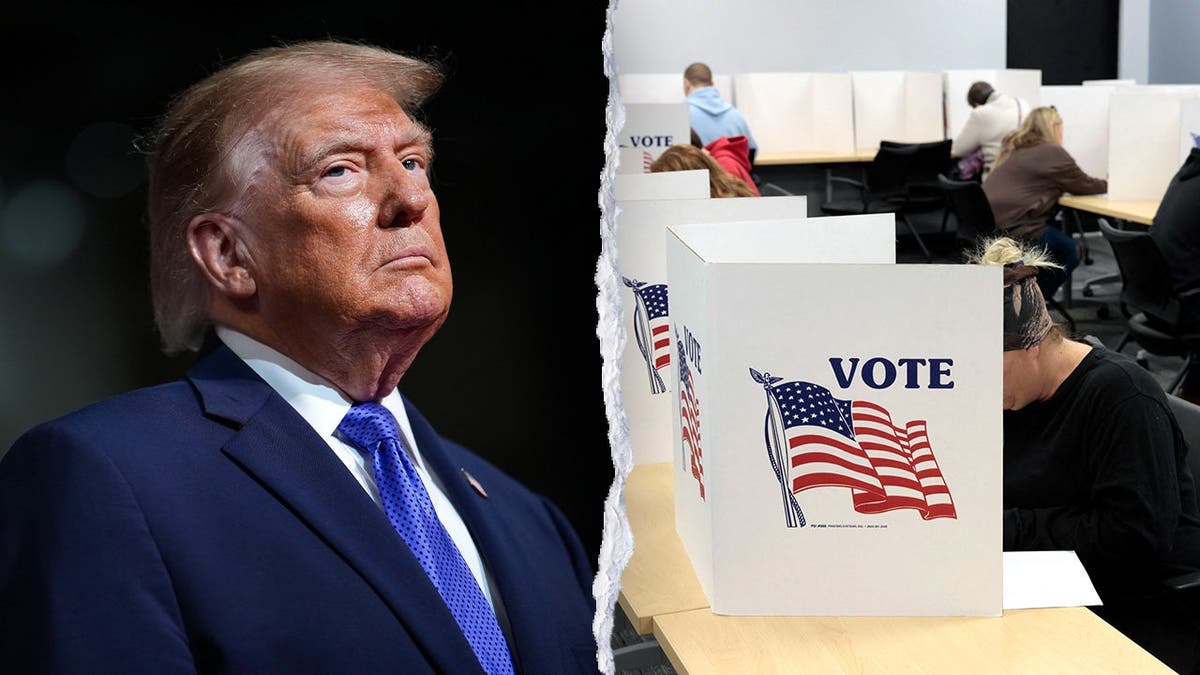
Voter concerns about inflation have played a significant role in the recent midterm elections, where the GOP faced difficulties. Host Liz Claman discussed these election outcomes with Fox News contributors Joe Concha and Jessica Tarlov. They analyzed how a 79% hardship rating due to inflation affected GOP candidates and explored economic messaging for future political contests.
Democrats have taken control of the House of Representatives, the Senate, and the majority of governorships. They now control more state legislatures nationwide, a first in over a decade. Prior to the election, Republicans dominated 28 of the country’s 49 bicameral legislatures, with Democrats controlling 18. Post-election, Democrats control both chambers in 24 states, compared to 22 for Republicans. North Carolina and Texas have divided legislatures, while outcomes in Alaska and Georgia races are still pending.
The GOP’s count includes Nebraska, where the officially nonpartisan, unicameral legislature holds a Republican majority. 2026 midterms saw Democrats gaining significant victories in key battleground states, altering legislative chambers and securing control over state governments, affecting redistricting and election rules moving forward. In Wisconsin, Democrats gained the Assembly and Senate, achieving a governing trifecta for the first time in years.
In other states like Michigan and Minnesota, Democrats flipped the House, expanded Senate majorities, and won gubernatorial races. In Pennsylvania, Arizona, and New Hampshire, Democrats made similar gains. These victories amplify Democratic power to influence policy nationally, with state lawmakers crucial in setting election rules, designing congressional maps, approving budgets, and legislating on issues from abortion to education.
The shift may impact future redistricting as states redraw maps after the 2030 census. Democratic control of state governments provides greater influence over district designs. This could spur legal disputes over existing maps and efforts to reform election rules before future presidential elections.
Additionally, Democrats may pursue gun law reforms, increase public education funding, and expand labor protections. They could also target voting restrictions, enhance mail-in and early voting access, and adjust election administration, varying by state.
Confirmation of Democratic control of most state legislatures follows their acquisition of both Congressional chambers and the majority of governorships. According to Axios, 75% of Americans now live under a Democratic governor, with 53% in states where Democrats control both the legislature and the governorship.
Heather Williams, President of the Democratic Legislative Campaign Committee, stated, “In a historic victory, Democrats now hold more than half of the state legislative seats nationwide.” This victory is seen as a reinforcement of the DLCC’s strategy to strengthen Democratic power across the U.S.
Democrats may possess the votes required to advance the National Popular Vote plan, bypassing the Electoral College, as reported by Fox News Digital. Factors like the economy, political corruption, conflicts in Iran, and negative perceptions of President Trump’s performance have created favorable conditions for Democrats, as shown in Fox News voter polling.
Voter sentiment was grim, with three-quarters expressing dissatisfaction or anger, and only a quarter feeling satisfied or enthusiastic. Negative views of the economy have also increased, a stark change from Trump’s first term, where positive sentiment was more common.