Voter Concerns and Identity in Michigan Senate Race
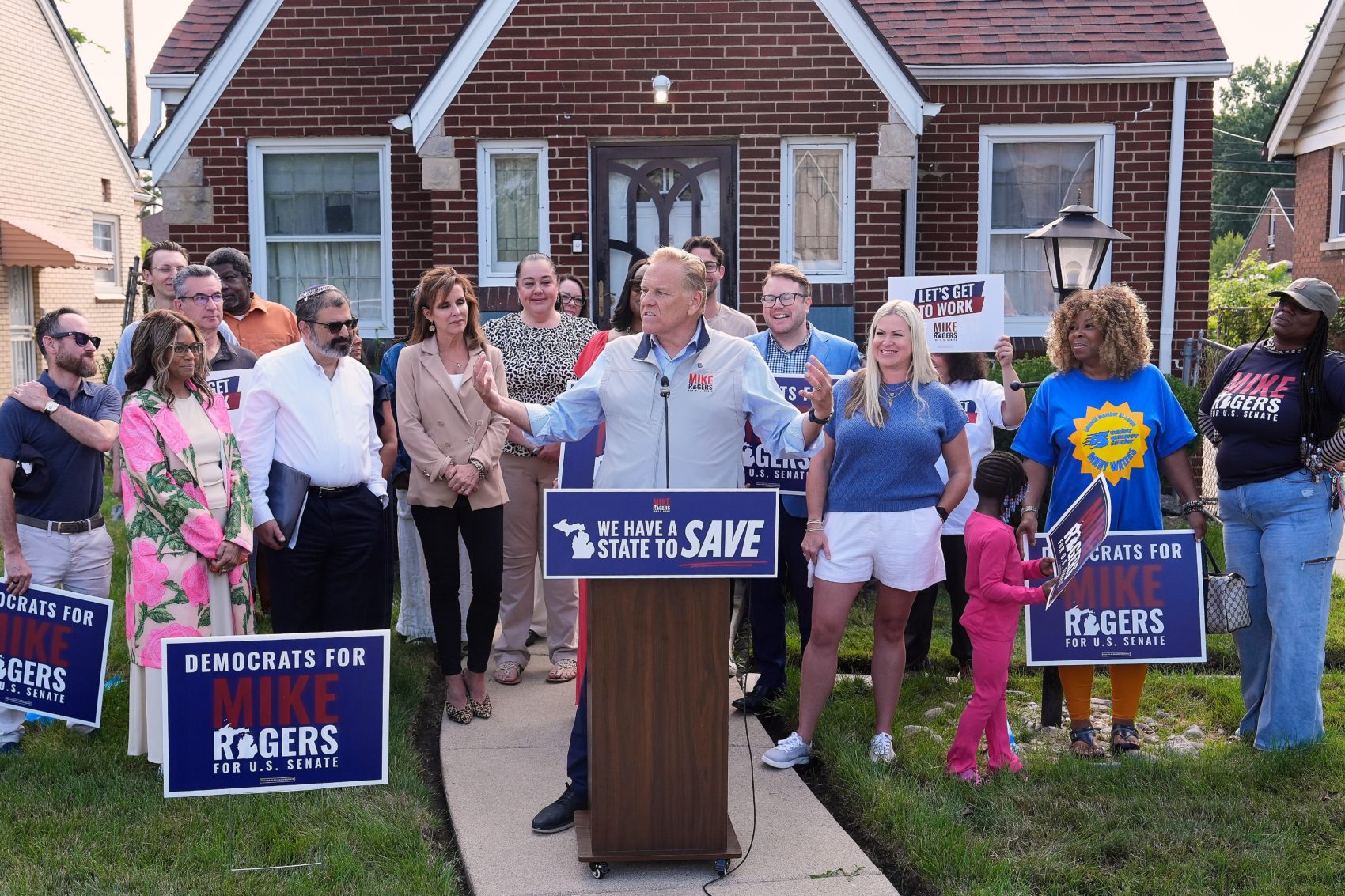
In Michigan, the U.S. Senate race has transcended typical political battles. The contest has become deeply personal for many voters, especially in the Detroit suburbs. Among Jewish Democrats, there’s a significant debate over supporting their party’s nominee that touches on issues of faith and identity. Nearby, in Dearborn, Arab American leaders who had previously supported President Donald Trump express concern over recent Republican rhetoric.
The clash stems from ongoing tensions following the attack on Israel by Hamas on October 7, 2023. This has become a critical topic in the race between Republican Mike Rogers and Democrat Abdul El-Sayed. El-Sayed, a former public health official, could make history as the first Muslim senator in the country.
Rogers’ Campaign Strategy
Mike Rogers, a former congressman, has been actively trying to win over Jewish voters. His strategy includes portraying El-Sayed as an extremist, a narrative he believes could win a traditionally Democratic demographic. Rogers made headlines when he laughed at a remark linking El-Sayed to Osama bin Laden and agreed with a post describing El-Sayed as a terrorist.
In Oakland County, a predominantly Jewish area, Rogers is focusing his efforts. Events and rhetoric, including one with U.S. Sen. Ted Cruz titled “Who Will Keep Us Safe?”, are central to his campaign. The area experienced a synagogue attack, which has intensified local emotions.
“Rogers is definitely making headway among Jewish voters,” says Vance Patrick, chair of the Oakland County Republican Party.
El-Sayed’s Campaign Challenges
El-Sayed’s past statements and associations have been central to criticism against him. After condemning a synagogue attack, he faced backlash for saying “hurt people hurt people.” He apologized for the potential hurt his comments caused, but opponents frequently revisit these remarks.
Allegations arose about El-Sayed’s links to the Muslim Brotherhood, ignited by social media statements from his half-sister. El-Sayed dismissed these claims as unfounded. The tumultuous situation is made more complex by the U.S. government labeling some branches of the Muslim Brotherhood as terrorist entities.
Democratic Divisions
Abdul El-Sayed faces hurdles uniting the Democratic base after a contested primary. Strong differences over Israeli policy persist in Oakland County. Not all Democratic leaders support El-Sayed openly despite endorsements. For instance, State Sen. Jeremy Moss has yet to endorse him, and former opponent Haley Stevens has not campaigned for him actively.
Despite the challenges, some Democratic figures, like former U.S. Rep. Andy Levin, engage with undecided voters through grassroots events, urging dialogue and understanding.
Arab American Voter Sentiments
Dearborn stands as a focal point for political shifts. Once solid supporters of Trump, the Arab American community has grown critical of him and his party due to recent rhetoric. Mayor Abdullah Hammoud has criticized the portrayal of Muslim politicians and calls for respectful discourse.
Arab American leaders who previously backed Trump alert the community about crossing acceptable limits with religious-based attacks. Bishara Bahbah, once a key figure in Trump’s Michigan outreach, emphasizes the importance of respectful relationships with all voters.
These developments reflect how crucial cultural and identity issues have become in this Senate race, influencing voters across Michigan.