Japan’s Pioneering Mars Moons Mission
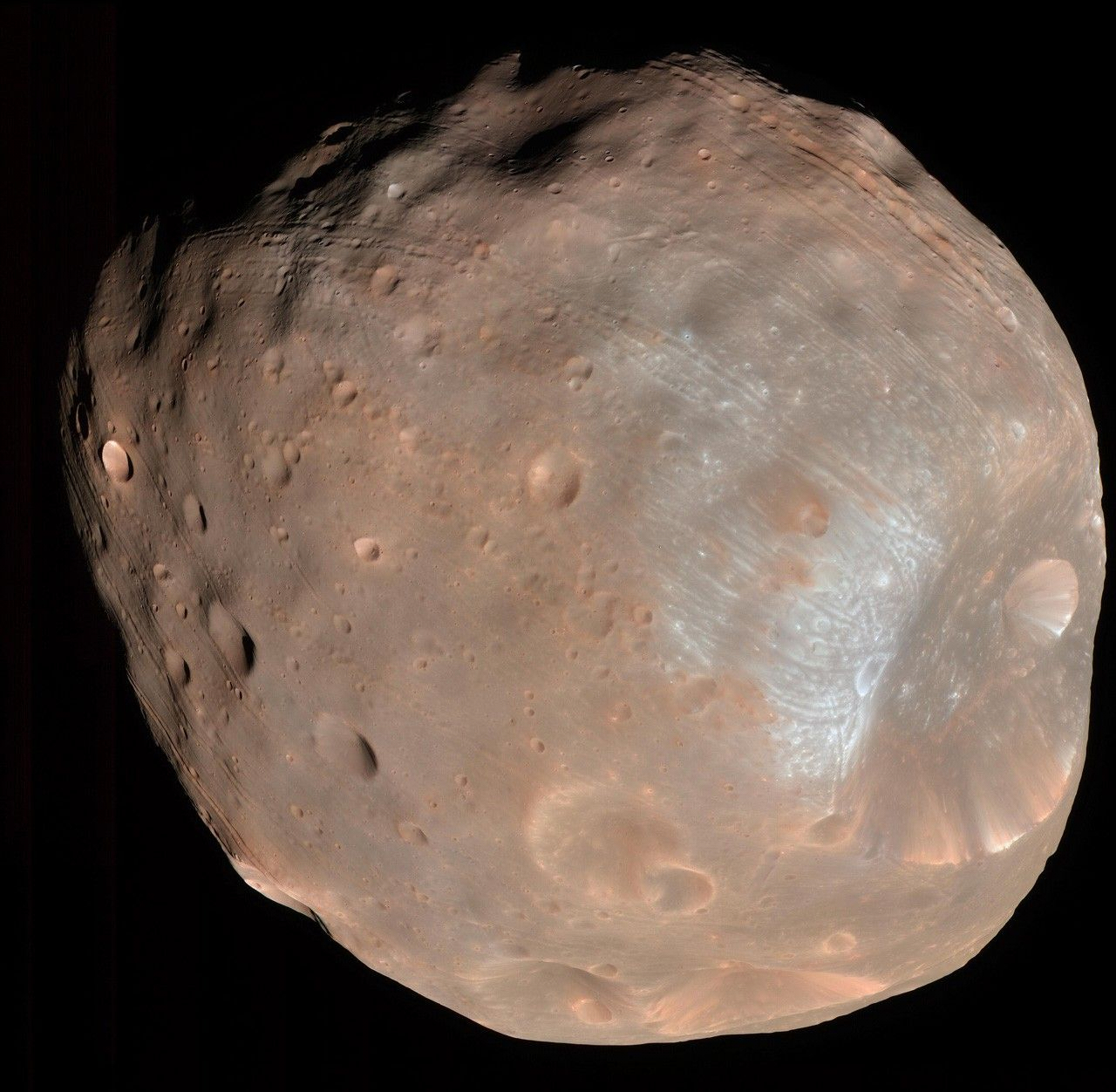
The Japanese spacecraft launched on Tuesday, aiming to explore Mars’ moons and return samples. This mission brings together five global space agencies over five years, focusing on Phobos, the larger of Mars’ two moons.
The Japan Aerospace Exploration Agency spearheaded the mission, launching the spacecraft from Tanegashima Island before dawn. Although NASA and China have successfully landed on Mars, no entity has explored Phobos or Deimos, nor returned samples.
If successful, samples from Phobos will arrive back on Earth in 2031. NASA astrophysicist Tom Statler expressed excitement about the mission, noting Japan’s previous asteroid sample returns provide an advantage.
The mission, known as Martian Moons Exploration (MMX), costs $578 million and features a 5-ton spacecraft. It will reach Mars next summer and synchronize with Phobos’ orbit, before deploying the French-German rover, Idefix. Named after a comic character, Idefix will navigate Phobos’ surface and avoid obstacles.
Equipped with solar panels and four wheels, Idefix will operate for 100 days. The lander will descend to Phobos in 2028 or 2029, collecting at least 10 grams of material then returning to space. It will also conduct flybys of Deimos.
The historical mission faces challenges, as evident from previous failed attempts. Phobos and Deimos, named after fears and dread, respectively, have resisted past explorations. Russia and Japan experienced setbacks in prior missions to Mars.
Through Phobos’ samples, scientists aim to understand the moon’s origins, exploring theories about collisions or captured asteroids. Finding Martian traces on Phobos could reveal planetary formation secrets and the possibility of life.
NASA’s acting planetary science director, Lindsay Hays, highlighted its potential to shape future missions. Germany’s rover chief, Markus Grebenstein, emphasized its significance as the first sample return mission from Mars’ moons.
China plans a similar mission in 2028, while NASA considers retrieving its Perseverance rover’s samples. Japan, China, and NASA are racing to uncover Mars’ hidden scientific treasures.
Japan funds the mission with $350 million, while financial contributions come from NASA, the French Space Agency, the German Space Agency, and the European Space Agency.
Support trusted journalism and civil dialogue. A free press is key to a healthy democracy.