Vulcan Rocket Malfunction Halts Amazon Satellite Launch
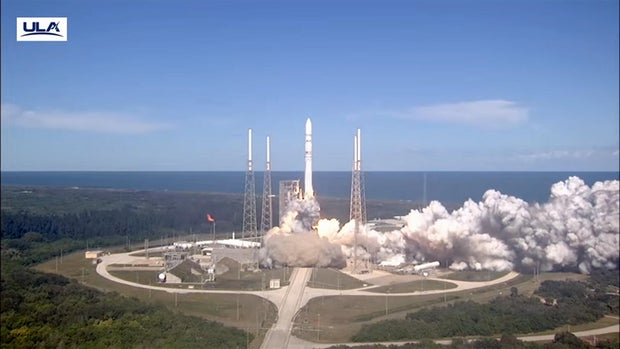
The United Launch Alliance (ULA) faced a significant setback on Sunday when their new Vulcan heavy-lift rocket malfunctioned mid-flight. The rocket, which carried 40 Amazon Leo internet satellites, experienced issues about 10 minutes after liftoff, resulting in the loss of the payload.
A statement from ULA confirmed the anomaly occurred after the Vulcan vehicle launched from Space Launch Complex 41 at the Cape Canaveral Space Force Station. The failure prevented the mission from reaching orbit. ULA expressed their commitment to work closely with Amazon and other relevant organizations to identify the cause and implement corrective measures swiftly.
This unfortunate event marks the first outright failure for ULA since the company’s inception in 2006. The Vulcan rocket, designed to replace the Atlas 5 fleet, now faces a grounding period while telemetry is reviewed to determine the cause of the failure. The Vulcan’s handlers previously addressed problems with nozzles on its strap-on solid-fuel boosters, which had affected prior flights.
Amazon had planned 38 such launches with ULA’s Vulcan, aiming to boost the competition against Starlink and other satellite internet providers. However, with Sunday’s setback, Amazon Leo’s launch timeline faces delays as investigations proceed. With over 3,300 satellites needed to complete their constellation, Amazon must now wait for the investigation’s conclusion.
In addition to the ULA launches, Amazon’s Leo satellites are slated for launches aboard Blue Origin’s New Glenn rocket, the European Ariane 6, and SpaceX’s Falcon 9. However, Blue Origin’s New Glenn awaits a return to flight after a previous engine-related failure.
Onlookers saw the Vulcan rocket, powered by two BE-4 engines, put on a show against a clear blue sky, but no additional information has been released about the failure’s specifics. Full transparency is promised by ULA, ensuring their customers have insight into the ongoing investigation.
NASA Administrator Jared Isaacman extended support, highlighting NASA’s readiness to assist where needed. He emphasized the importance of ULA’s continued operations for national interests.
The Vulcan rocket was carrying significant thrust power, departing from Cape Canaveral Space Force Station with six Northrop Grumman strap-on boosters and two methane-burning BE-4 engines. Despite previous day’s delays due to technical and environmental issues, Sunday’s launch proceeded until problems emerged with the Centaur upper stage.
The Vulcan rocket’s failure comes amidst ULA’s attempts to resolve a nozzle issue affecting earlier flights. CEO Mark Peller noted steps taken to mitigate past problems and reported that the strap-on boosters worked as expected during the latest mission. The BE-4 engines, developed by Blue Origin, had undergone retrofitting to fix a valve issue previously encountered.