West Virginia’s Data Center Debate
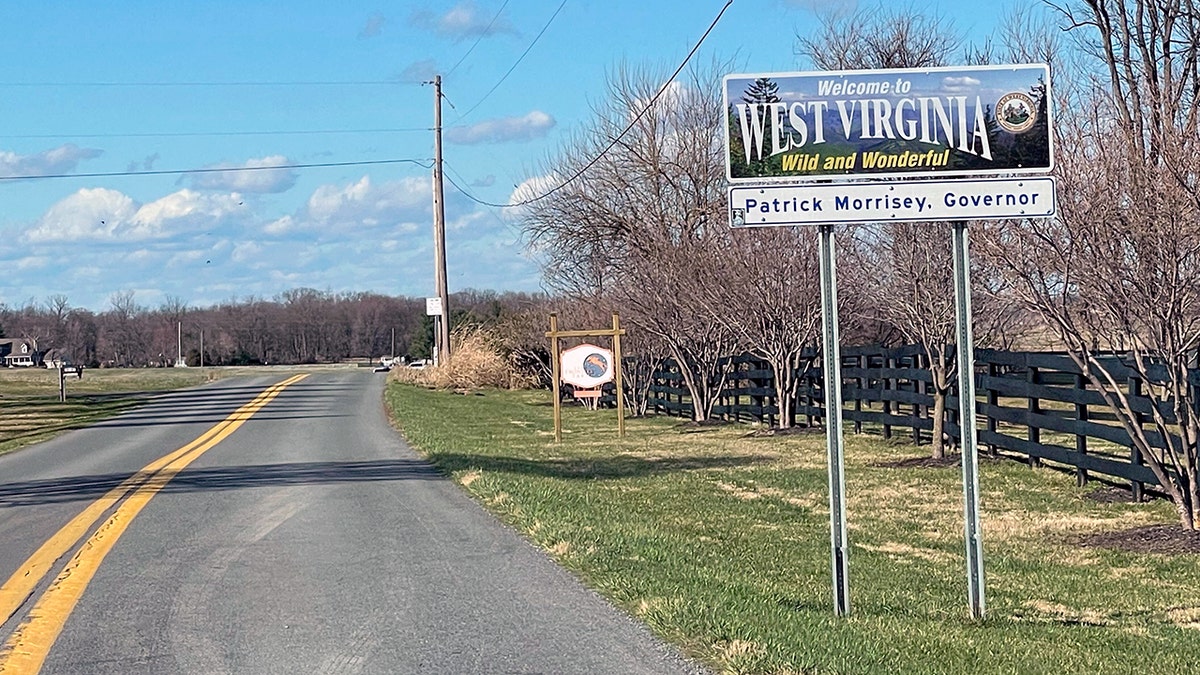
Since the 1950s, the Jefferson County Fair in West Virginia has featured prize pigs, large livestock, and fried foods, attracting a community that loves these traditions. As politicians know, it’s an excellent venue to gauge the preferences of American voters.
During the two-day event filled with corn dogs and pepperoni rolls, I anticipated discussions on prices and affordability. However, the primary conversation focused on data centers.
“I’m a farmer,” shared Roy, who raises cattle near the area. “Data centers, power lines, all of that, pose a threat to us. Our land is all we have.”
This sentiment isn’t unique to the locals but is shared by those seeking to represent them politically. Jenny Thacker and Marta Beck, both Democrats running for the House of Delegates, have reservations about how data center developments are proceeding in the county, though they aren’t completely opposed to their presence.
Thacker mentioned, “We cannot afford to have water taken from our system. Implementing a law that allows using surface water but restricts well water usage would significantly protect our groundwater.” Beck expressed concern over the loss of local control due to state interference, underscoring how “control” is at the core of this debate, not just in West Virginia but across the United States.
Also present was Tamara Thompson, vice president of We The People of Jefferson County, a Tea Party group. “Many people oppose data centers,” Thompson noted, adding that noise pollution is a common complaint. “I personally didn’t experience extreme sounds during visits, but it’s a concern for others.”
A fairgoer named Sarah, a retired teacher, commented, “I guess we need them for things like our phones, but nobody wants them nearby.”
The events at the fair—like the demolition derby and antique tractor pull—highlight that data centers are a significant issue. However, it’s a first-world problem, reflecting a crisis of opportunity rather than scarcity.
Mickey Reagan, aiming to be a Jefferson County Commissioner, had volunteers indicating that the primary concern from voters was growth. When asked to clarify, they unanimously pointed out, “Too much growth.”
In West Virginia’s Eastern Panhandle, rapid housing development seems routine, but infrastructure like roads, wells, or schools doesn’t keep pace. In contrast, data centers quickly emerge.
The consensus among both Democrats and Republicans at the fair is a demand for local control and skepticism towards Big Tech.
Present-day discussions at fairs revolve less around economic survival and more about managing growth. While national Republicans might find this promising, the overarching issue remains a cautious navigation of technological advancements and local governance.