Why Scientists Are Concerned About Mirror Cells
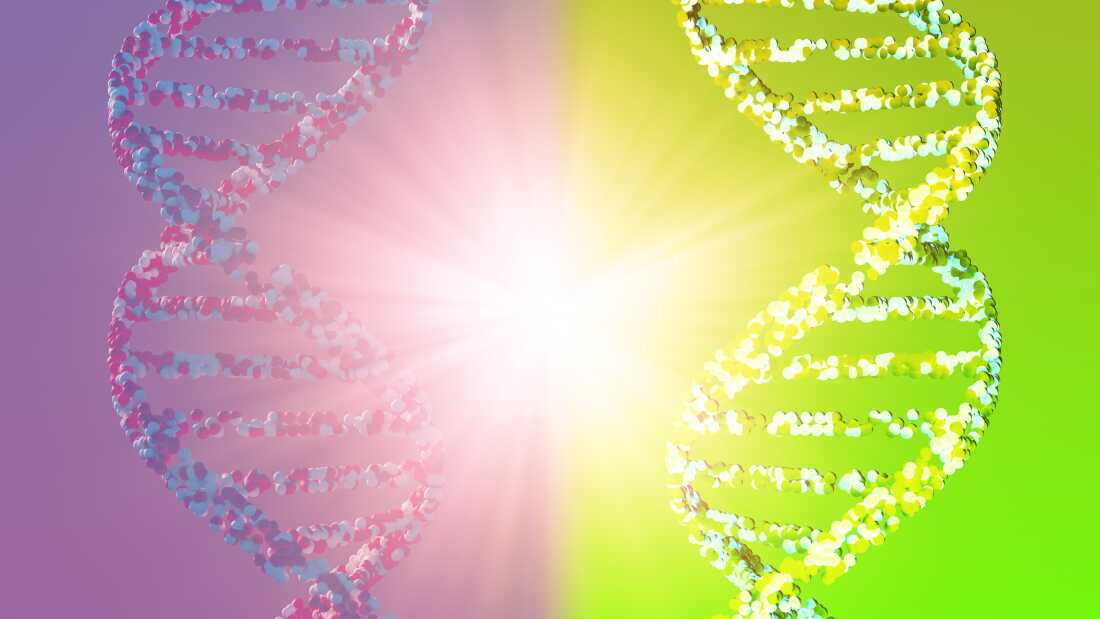
Scientists have unlocked the ability to create mirror molecules in laboratories but are at least a decade away from developing a mirror cell. The concept of mirror life poses significant risks, sparking debates among researchers.
Molecular structures play a crucial role in Life on Earth. DNA inherently twists to the right, while protein structures adhere to left-handed chemistry. This foundational chemistry forms the basis of all known life.
Recently, researchers have pursued a concept known as mirror life. Although we lack the current technology to produce mirror life at the cellular scale, potential advancements in the coming decade have sparked concern. A collective of scientists has gone so far as to publish a comprehensive 299-page report urging a halt to these pursuits.
In an episode of the Tech Camp series, Regina Barber hosts Carl Zimmer, a science reporter for The New York Times, discussing his investigation into mirror cells and their potential threats to Earth life. Zimmer explains the implications of creating mirror cells and the widespread effects they might have.
For more information on controversial scientific research, you can contact the team at [email protected]. Supporting public media allows access to over 25 ad-free podcasts like this one through NPR+. Visit plus.npr.org to learn more.
The Short Wave episode featured insights from Carl Zimmer and was produced by Jessica Yung and Berly McCoy. Editing was overseen by Rebecca Ramirez. Tyler Jones conducted fact-checking, and Kwesi Lee provided audio engineering.