Wildfire Dangers Increase with Rising Nighttime Temperatures in Canada
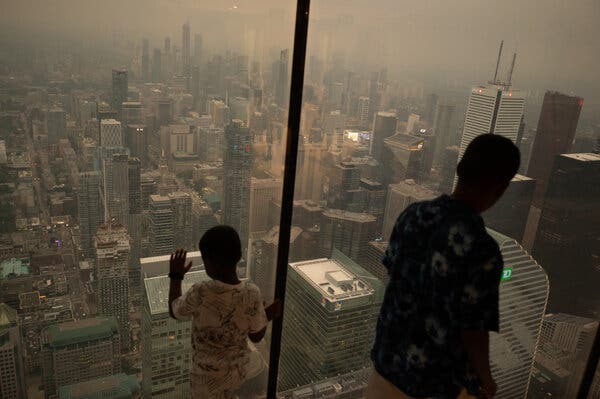
Firefighters play a critical role in combating wildfires at night. Traditionally, cooler temperatures and higher humidity after dark slow the spread of fires, providing essential opportunities for firefighters. They can set up sprinklers, tackle smaller fires, and use machinery with reduced risk of overheating.
However, a trend is disrupting this pattern. In Canada, high nighttime temperatures are leading to continuous fire activity. Randy Schroeder, a fire chief in Alberta, explains this as a ’24-hour fire cycle.’ Fires now spread rapidly and last longer than before.
Typically, fire intensity reduces overnight, which helps teams control flames and rest. However, climate change challenges this pattern. Firefighters must adapt to maintain effectiveness as fire intensity remains high overnight. This adaptation involves increased costs for constant operation, according to Schroeder, who also served as the president of the Alberta Fire Chiefs Association.
Failing to adapt means getting out of the fire’s way instead of controlling it, Schroeder notes. The shift in climate affects strategies, requiring personnel to work longer and harder hours, with financial implications for wildfire management.