World Leaders Begin Climate Talks in Turkey Amid Rising Global Tensions
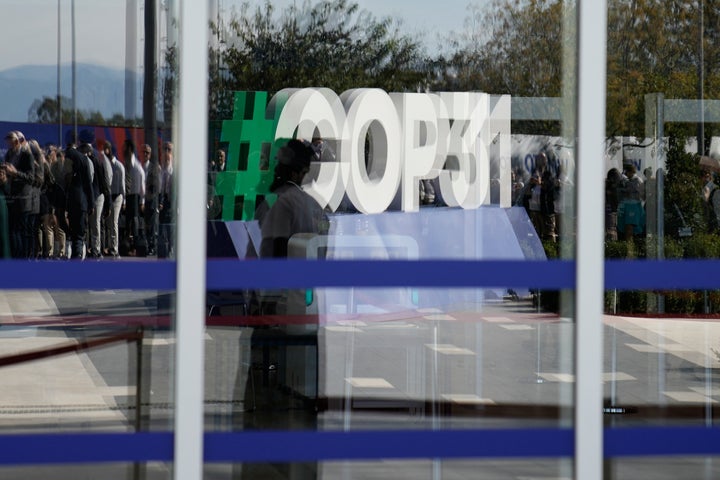
In Antalya, Turkey, world leaders, delegates, and climate advocates have commenced discussions on addressing climate change. Recent increases in temperatures and significant events like deadly heat waves in Europe and catastrophic floods in Nepal highlight the urgency of these talks. The U.N. climate summit, known as COP31, began amid geopolitical tensions impacting global fuel prices due to the conflict in Iran closing the Strait of Hormuz. This situation has prompted governments to reconsider energy strategies and bolster investments in renewable sources like wind and solar power.
At the summit’s opening, U.N. climate chief Simon Stiell underscored the need for actionable solutions. Stiell highlighted reducing methane emissions as a critical step, noting that methane has a shorter atmospheric lifespan but contributes more intensely to warming than other gases. Shifting to renewable energy from fossil fuels could also mitigate global warming. Approximately 68,500 individuals are expected to participate in the two-week event, with nearly 25,000 aiding in its organization.
Delegates gathering at the Mediterranean resort city face significant pressure to generate new climate pledges while fulfilling prior commitments. The stakes center on preventing global temperatures from surpassing 1.5 degrees Celsius above preindustrial levels, a target set by the 2015 Paris Agreement. However, achieving this goal appears increasingly challenging, emphasizing difficulties in curbing greenhouse gas emissions from fossil fuels, which drive climate change.
Turkish Environment Minister Murat Kurum stressed the reality of exceeding the 1.5-degree target, declaring an unwavering focus on climate goals. Serving as the COP31 president, Kurum aims for the summit to emphasize activating previous commitments over setting new targets. The ‘Action Agenda’ includes plans to lower methane emissions, construct climate-resilient urban areas, and increase renewable energy to 35% by 2035.
The summit also tackles financial support for poorer nations adapting to climate impacts and transitioning from fossil fuels. Delegates from nearly 200 countries are deeply engaged in discussions regarding funding for climate adaptation and recovery. Disagreements center on financing frameworks originally laid out during the 2015 Paris talks, with developing countries seeking detailed financial commitment from developed nations.
The absence of the United States, the world’s second-largest emitter, is notable as President Donald Trump has withdrawn the country from climate negotiations. Meanwhile, Turkey and Australia have jointly organized this event, with Turkey officially hosting and Australia leading discussions. Despite past criticisms, climate chief Simon Stiell maintains that COP31 will produce significant outcomes.
This article is supported by The Associated Press, with independent reporting provided by journalist Arasu from Bengaluru, India.