Youth Protests and Economic Disparities in South Asia
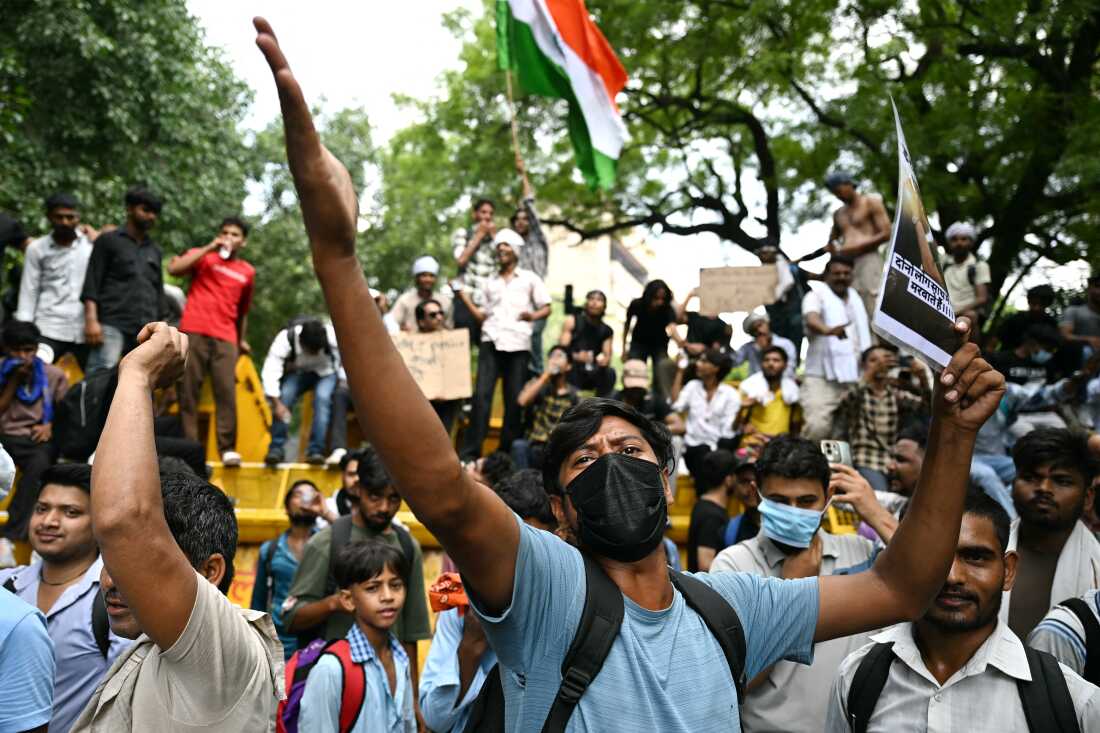
A supporter of the Cockroach Janta Party shouted slogans at Jantar Mantar, New Delhi, during an ongoing protest demanding the resignation of Dharmendra Pradhan, India’s education minister. The protests are fueled by major issues impacting the younger generation in South Asia, drawing attention to systemic grievances such as unemployment and corruption.
Regional Context
Similar unrest unfolded in Nepal and Bangladesh, reflecting a broader pattern in the region. In September 2025, Nepal banned 26 social media platforms for allegedly spreading misinformation. Critics argued this was a move to suppress images of lavish political lifestyles. Mass protests led to the resignation of Nepal’s Prime Minister, K.P. Sharma Oli.
Earlier in Bangladesh, a student-led protest expelled Prime Minister Sheikh Hasina. The movement challenged a quota system reserving government jobs for war veterans’ descendants. These events highlight a common theme where incidents ignite widespread disenchantment with entrenched elite privileges.
India’s Struggles
India, despite its differences from neighboring countries, is experiencing similar frustrations. According to Azim Premji University, 40% of graduates aged 15 to 25 and 20% aged 25 to 29 remain unemployed. These figures underscore the disconnect between economic growth and equitable opportunities.
The resignation of Education Minister Dharmendra Pradhan followed massive protests over exam paper leaks. Youth took the remarks of Chief Justice Surya Kant, comparing unemployed youth to ‘cockroaches,’ as a rallying point for their protests.
Structural Causes
Three main factors are driving these restive protests. Economic growth in South Asia has not evenly distributed wealth or opportunities. In Bangladesh, the richest 10% control a large share of the nation’s wealth. In Nepal, high youth unemployment persists amid a young demographic profile.
Corruption further fuels frustration. Preferential job access and exam leaks in India contribute to a sense of eroded meritocracy. A 23-year-old Indian protester expressed that exam papers being leaked left those unable to pay at a disadvantage.
Social Media’s Role
The internet has empowered young people to be more informed and vocal about their rights. Attempts to curb online discourse often intensify public dissent. This was evident in Nepal, where restrictions on social media amplified public protests.
The Demographic Challenge
Student protests in New Delhi have paused temporarily following Pradhan’s resignation. However, the underlying issues persist. Real stability requires sincere commitments from the ruling class to tackle the systemic challenges facing the youth.
South Asian leaders must navigate the realities of their demographic dividend, which can also pose significant challenges if youth expectations remain unfulfilled.