U.S.-Iran Talks Delayed Amid Middle Eastern Tensions
The effort by the U.S. to begin high-level discussions with Iran encountered a delay. This comes after an agreement was put in place that provided a two-month period for negotiations regarding Iran’s nuclear program and the return of oil trade through the Strait of Hormuz to prewar levels.
However, Iran opted not to send officials to Switzerland for scheduled talks, citing ongoing Israeli strikes on Hezbollah in Lebanon as an impediment. Three regional officials and one other source indicated this setback, though they spoke under conditions of anonymity due to ongoing mediation efforts.
Ceasefire Offers a Glimmer of Hope
Despite these issues, there are some signs of progress. Israel and Hezbollah agreed to renew their ceasefire, which might pave the path to resuming U.S.-Iran negotiations. President Donald Trump expressed disdain over the halted talks, positioning the U.S. stance as decisive via social media posts.
Logistics of Swiss Talks Postponed
JD Vance, Vice President under Trump, had prepared to meet Iranian envoys in Switzerland for technical discussions. His travel plans were supported by a team and journalists ready for an overnight journey from Washington. Nonetheless, the trip was canceled after Iran expressed reluctance to proceed without addressing Israeli military actions in Lebanon first.
A mediator from Qatar traveled to the talks’ location in Switzerland to discuss matters further with Swiss officials.
Increased Violence in Lebanon
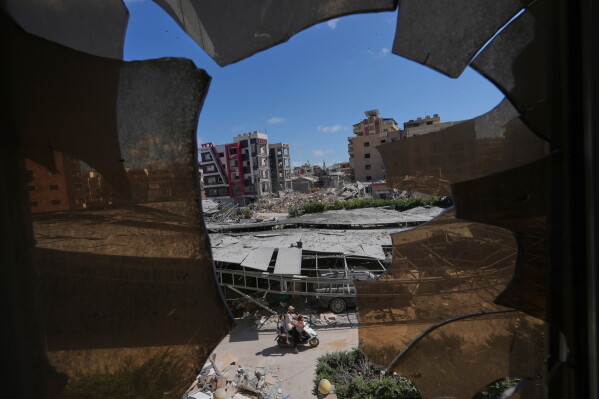
In southern Lebanon, conflict intensified, with Israeli airstrikes reportedly causing casualties and fatalities on both sides. Israel’s Prime Minister Netanyahu insisted on retaining a security presence in southern Lebanon, responding to ongoing security concerns.
Although Iran and Israel are not direct parties to the U.S.-Iran agreement, Iran is pressing for an Israeli withdrawal from Lebanon.
Challenges and Uncertainties
Before the trip cancellation, JD Vance signaled uncertainty about whether talks would happen as planned, stating that the timeline for technical negotiations remained uncertain.
Iran’s Supreme Leader, Ayatollah Mojtaba Khamenei, expressed support for direct talks with the U.S., suggesting a possible shift in Iran’s approach to negotiating, given previous Iranian opposition to such discussions.
U.S. Political Landscape
The stakes for Vance are high, standing as a potential presidential candidate for 2028. His track record includes criticism of foreign wars and now involves navigating negotiations resulting from Trump’s military strategies.
Some Republicans are concerned about economic provisions within the tentative agreement, viewing them as a departure from Trump’s goals. Specifically, a mention of a $300 billion fund aimed at Iran’s reconstruction has sparked controversy, with assurances from Trump and Vance that no U.S. taxpayer money would support this without substantial reforms from Tehran.