Impact of AI on Smartphone Prices: An Industry Challenge
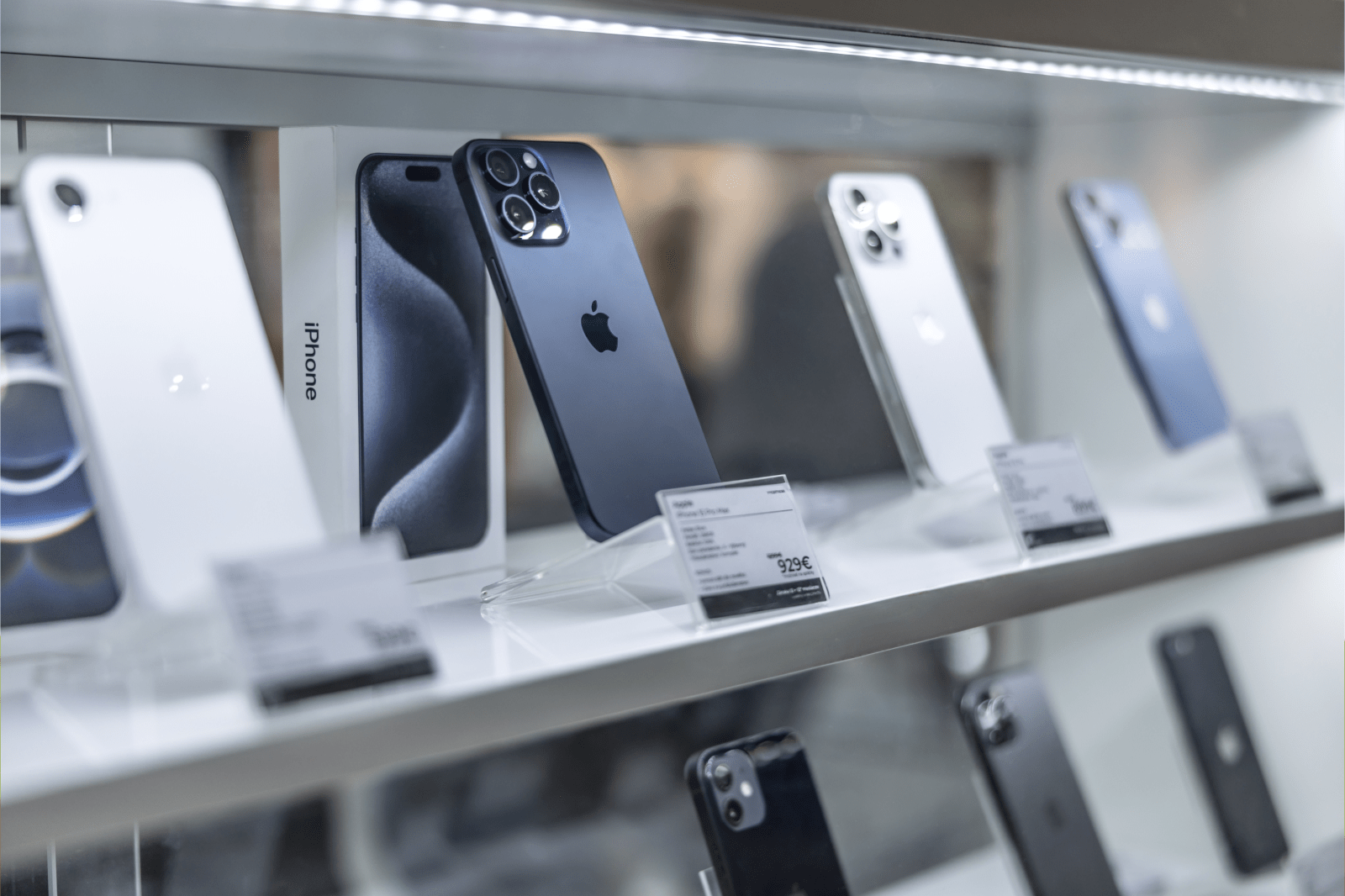
The increasing costs of memory driven by global AI demand could soon elevate smartphone prices significantly, affecting major players like Apple and extending throughout the industry. Apple has acknowledged forthcoming price increases; CEO Tim Cook disclosed in a Wall Street Journal interview on June 17 that higher costs for memory and storage chips render price hikes “unavoidable.” Cook explained the company spent months absorbing these costs to shield consumers from increases. However, the situation has become unsustainable as suppliers impose hefty price hikes.
The shift in pricing is rooted in a broader structural change within the tech supply chain. The surge in AI-driven data center demand consumes a growing portion of global memory chip output, reducing supply for consumer electronics and driving prices upward across the board. Analysts indicate companies with Apple’s purchasing power are now competing for limited supplies, marking a crucial turning point for an industry that historically managed component price shocks effectively.
Industry-Wide Price Pressure
The effects are anticipated to reach beyond Apple. Nabila Popal, IDC’s senior research director for Worldwide Consumer Devices, informed Newsweek that the scale of the shift is prompting significant forecast revisions. She stated, “We expect the global smartphone average selling price to increase by 20 percent, a major revision from our 14 percent forecast in February. Rising memory costs heighten margin pressure on all smartphone OEMs.” She added that she believes no vendor will be immune to the crunch. Popal forecasts price hikes of up to 40 percent for Android brands focusing on low-end devices, while premium players like Samsung and Apple will likely raise prices by 10 percent.
Newsweek also sought insights from Yang Wang, a principal analyst at Counterpoint Research. Wang characterized the current memory shortage as one of the most severe disruptions faced by the smartphone industry in years. He stated, “We expect memory costs to remain elevated through at least 2027, as industry capacity continues to be redirected toward AI-related products.” Wang mentioned that premium brands may wield stronger pricing power, but lower-cost devices could experience sharp increases due to the greater proportion of their bill of materials represented by memory.
What the Top Smartphones Could Cost
Apple has yet to disclose specific pricing plans. For other brands, analysts predict uneven price increases, with entry-level devices bearing the brunt of rising component costs. Counterpoint Research indicates low-end smartphones have seen bill-of-materials costs increase by roughly 20-30 percent, compared to 10-15 percent for mid-range and premium devices. In February, forecasts anticipated overall smartphone prices to rise by 3-8 percent, reflecting cost transfers to consumers.
Illustrative estimates show:
- Premium flagship models, including Apple, Samsung, and Google products, could see a 5-10 percent price rise.
- Mid-range Android devices may experience a 10-20 percent increase.
- Entry-level Android phones might encounter price spikes up to 40 percent.
These projections are indicative, not definitive. Analysts like Wang caution against attributing specific price forecasts to individual upcoming smartphone models, as outcomes may vary significantly between product tiers and regions.
What the Price Hikes May Mean for Consumers
For consumers, the implications could be immediate and widespread. Flagship smartphone buyers may face modest increases, but even a 6-10 percent rise on a high-end handset could add $70-150 to upgrade costs. In lower-priced segments, where profit margins are tight, increases of 20 percent or more could render entry-level smartphones notably less affordable.
Rising memory demands driven by AI features and powerful apps mean manufacturers cannot easily reduce specifications to offset costs. These pressures compound challenges for both manufacturers and consumers engaging with this evolving market landscape.