The Future of AI in Robotics and Manufacturing
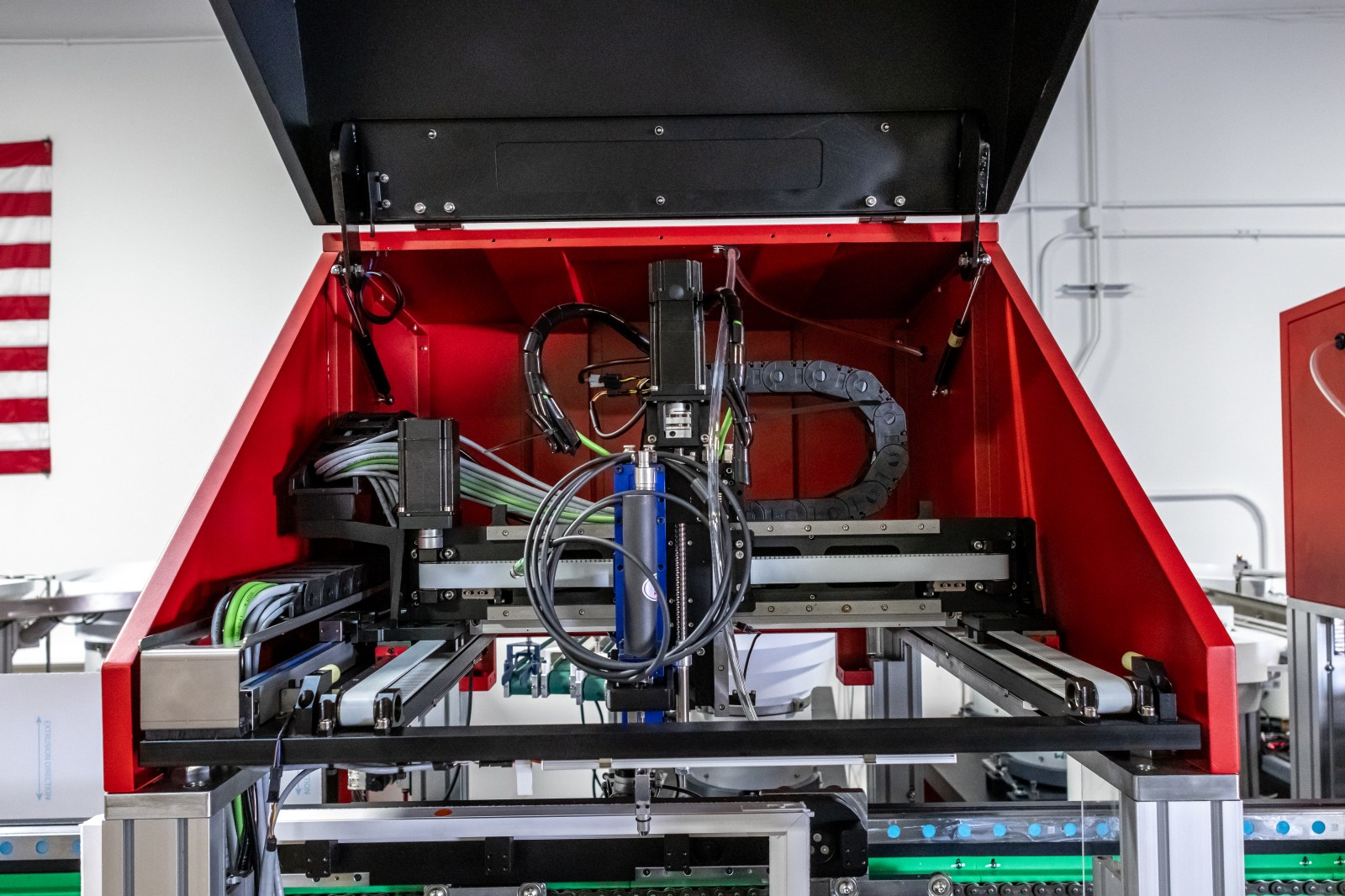
AI is often misunderstood, both overhyped and underestimated, frequently by the same individuals. The excitement usually centers on AI’s ability to generate and simulate. However, the more crucial development is AI’s move into robotics, advanced manufacturing, and real-world systems. This shift raises important questions about AI’s integration with robotics, the challenges of optimizing AI in precision-critical environments, and accountability when failures occur.
The Edinburgh Gathering
These issues will be explored in Edinburgh this week, during the “World of Tomorrow” event hosted by Launchpad Build AI, a software company based in El Segundo, California with research centered in Edinburgh. The event will convene senior leaders from industry, government, defense, and investment sectors.
From Theory to Practice
AI’s transition from theoretical to practical application is underway. Enhanced inference speeds are reducing the operational costs of AI models and facilitating their integration into real-world systems. Companies like NVIDIA, TSMC, and Nebius are constructing infrastructure capable of supporting industrial-scale robotics. Simultaneously, AI is being introduced to environments such as warehouses and assembly lines where real-time decision-making is essential.
This evolution is partly driven by economic factors. In the U.S., the workforce is still short by 1.7 million since February 2020, per the U.S. Chamber of Commerce. Manufacturers face hiring challenges. In the U.K., the push for reindustrialization is gaining momentum, with Capgemini projecting a $650 billion investment by 2028. Supply chains remain vulnerable, with 37% of U.K. firms reporting disruptions, according to Lloyds Bank’s Business Barometer survey.
AI and National Interests
For governments in the U.S. and Europe, the focus extends beyond productivity. Manufacturing is linked to national security and resilience amid growing competition for chips and critical infrastructure. Jon Quick, CEO of Launchpad Build AI, states, “There’s a disconnect in the conversation around AI and manufacturing,” highlighting a lack of a clear path forward.
Competitive Edge for Early Adopters
Companies that effectively employ AI to enhance manufacturing resilience will gain a significant edge. In industries like automotive production and warehouse automation, AI systems contend with outdated machinery and unpredictable conditions. The responsibility for errors—whether attributable to the AI model’s design, hardware, or use—remains a critical concern.
The “World of Tomorrow” assembly offers insights into these challenges. Guests include tech leaders from companies like Nvidia, TSMC, and Nebius, and industrial figures from Lockheed Martin UK and BAE Systems Air, among others. Also present are investors such as J.P. Morgan and Lavrock Ventures, alongside Scottish government representatives. The forum will address AI’s real-world capabilities, potential liability shifts, and strategies for converting technical potential into practical advantage.
Ultimately, this stage of AI development will hinge not on exaggerated claims but on the successful implementation in tangible applications.