Efforts to Create Climate-Resilient Forests
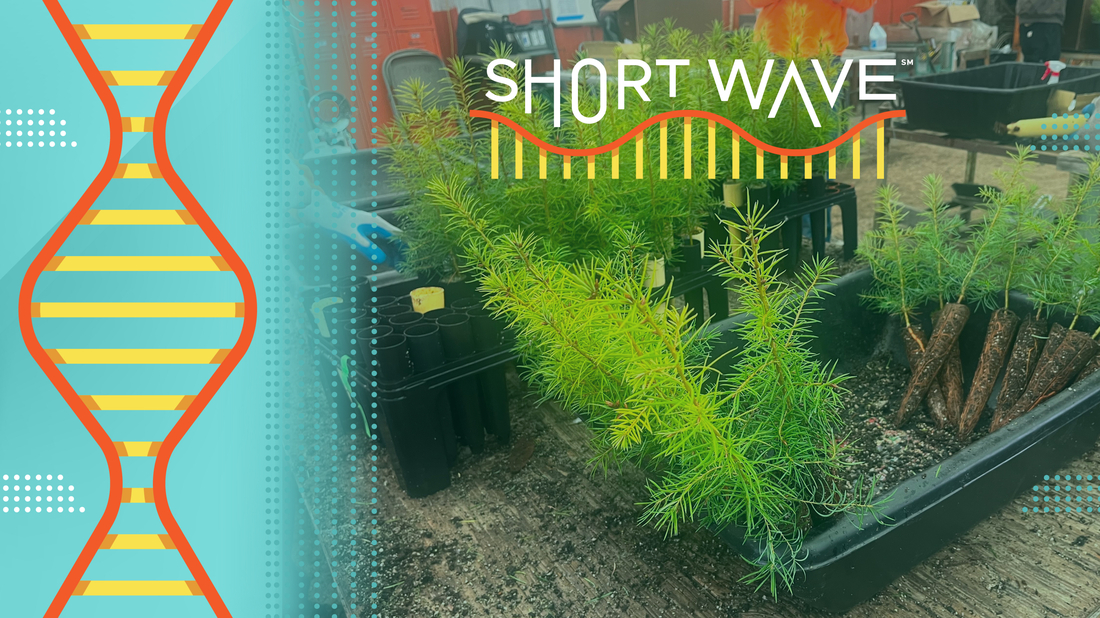
Douglas fir seedlings at the U.S. Forest Service’s Dorena Genetic Resource Center in Oregon play a crucial role in research focused on building climate-resilient forests. Forests act as the lungs of our planet. They absorb carbon dioxide, produce oxygen, regulate temperatures, and help manage water to prevent floods. They provide habitats for the majority of the world’s terrestrial species and can influence weather patterns.
However, forests face threats from agricultural expansion, infrastructure development, timber harvesting, and wildfires. This increases the urgency for reforestation efforts. The United States Forest Service (USFS) has actively reforested and managed forests for the past century, yet climate change presents challenges requiring innovative strategies.
Rethinking Seed Planting
Traditionally, reforestation strategies involved using seeds from the same location where they were planted. Lisa Winn, a former silviculturist at the USFS’s Dorena Genetic Resource Center, highlights that seeds historically adapted to local conditions. Climate change, however, introduces new variables, questioning if current seeds remain suitable for their locations. Seedlings now face unpredictably dry or humid environments, unprecedented heat, and severe droughts.
The Role of ENAMES
The Experimental Network for Assisted Migration and Establishment Silviculture (ENAMES) addresses these issues. It uses the USFS-developed Seedlot Selection Tool, which predicts future climate conditions for specific forest locations. This involves anticipating changes such as increased temperatures, varied rainfall, and altered seasonal patterns. The goal is to identify suitable seeds for these future environments.
Foresters then plant a diverse mix of seeds: some for historical climates, some for current conditions, and others for prospective climates 30-50 years or even 70-90 years from now. The species used include incense cedar, Jeffrey pine, Ponderosa pine, sugar pine, and western larch. Planting sites span Oregon and Washington.
You’re generally moving it from a climate that it was historically adapted to, that it evolved under, and then you’re moving it to a climate that you think is going to exist in the future at a given location,
says Rob Slesak, USFS researcher and ENAMES lead. Though the project is in early stages, there’s hope it will succeed based on past initiatives like the Douglas-fir Heredity Study started in 1912, whose original trees still stand. Successful outcomes may see ENAMES trees thriving into the next century.