Heat Wave Sweeps Europe: Record Temperatures and Rising Death Toll
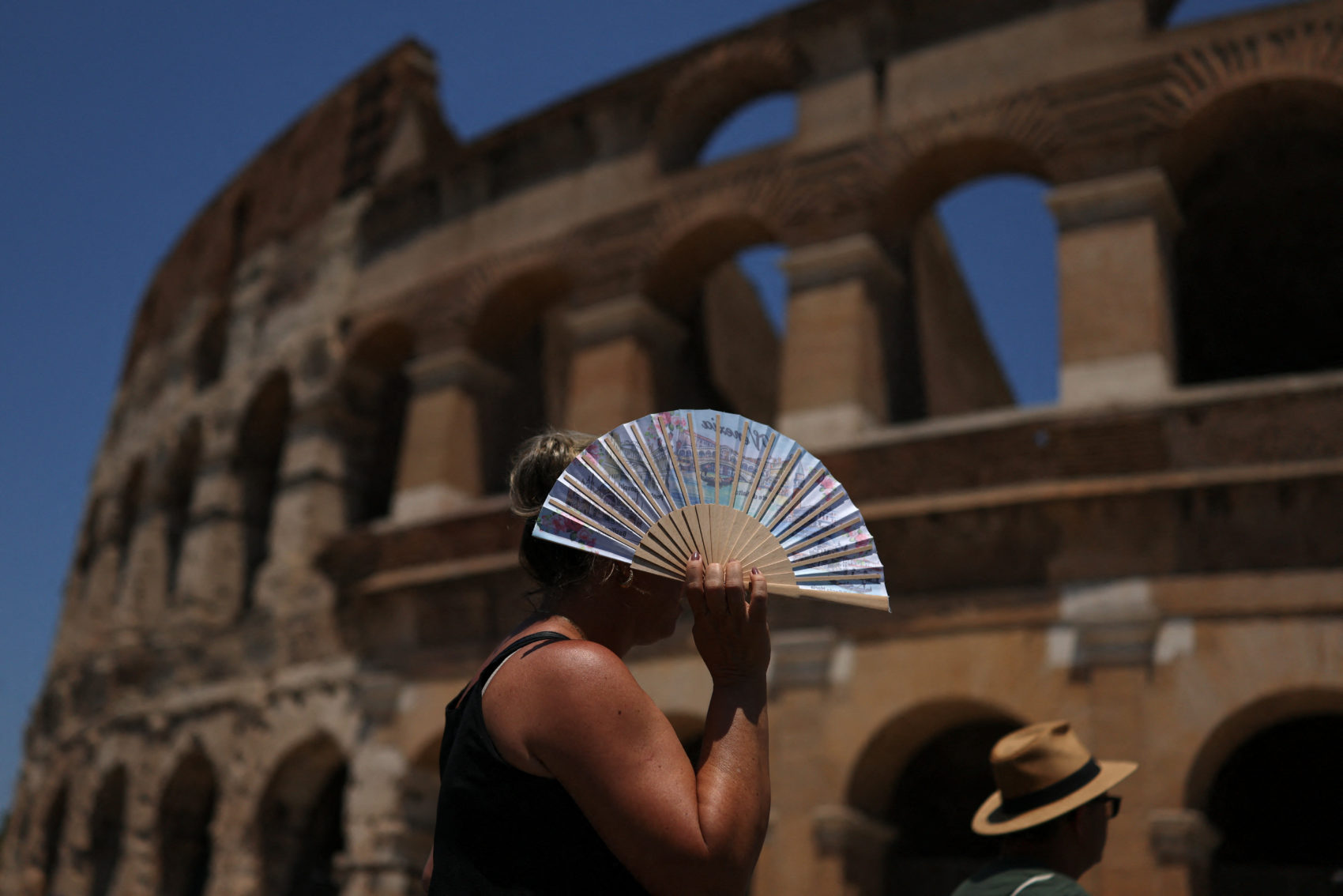
France experienced a significant rise in mortality rates last week during an intense heat wave, as reported by the nation’s public health agency. Approximately 1,000 additional deaths occurred as temperatures soared. The World Health Organization (WHO) has warned that Europe is warming faster than any other continent, necessitating better protective measures for its citizens.
Temperature Records Shattered Across Europe
Over the weekend, several European countries experienced record high temperatures. In Germany, a new record was set with temperatures reaching 41.7 degrees Celsius (107 degrees Fahrenheit) in Neißemünde, near the Polish border. The Czech Republic saw its hottest day with temperatures of 41.1 C (106.4 F).
A recent study by World Weather Attribution indicated that without climate change, such severe heat and humidity in Europe would have been nearly impossible a few decades ago.
France Sees Spike in Deaths
France reported a significant increase in deaths during the heat wave, especially in private homes in the Paris region. The health agency recorded over 1,200 deaths on Wednesday alone, with the count rising to more than 1,400 deaths on subsequent days. Most affected were the elderly, particularly those aged 65 and above. Red heat warnings covered about three-quarters of France during the peak of the heat wave.
WHO Issues Warning
The WHO emphasized the severe impact of heat stress, labeling it a “silent killer.” WHO Director-General Tedros Adhanom Ghebreyesus highlighted that European structures are not built for such temperatures. He urged countries to enhance their health system responses and develop better heatwave preparedness and prevention strategies.
Incidents and Actions Across Europe
In Sweden, several people were struck by lightning at an amusement park, resulting in injuries. Meanwhile, Germany faced wildfires in areas like Gohrischheide, where remnants of WWII ammunition complicated firefighting efforts. Firefighters had to retreat at times due to explosions.
In Berlin, water cannons typically used for crowd control were deployed to spray water on crowds, providing relief from the intense heat. However, the heat caused infrastructural issues. Highways suffered damage, and trains faced disruptions, with passengers being evacuated due to heat-related problems in Brandenburg.
Transportation Disruptions
In Leipzig, tram services were halted until early Monday morning as heat caused damage to tracks and switches. The Leipzig Public Transportation Authority reported that joint sealant issues from the heat affected tracks throughout the city’s network.
These incidents underline the urgent need for Europe to adapt to the changing climate and implement effective measures to safeguard public health and infrastructure.