Supreme Court Decision on Refugees Sparks Debate
Widespread Criticism Over Recent Supreme Court Ruling
Democrats nationwide are expressing outrage over the Supreme Court’s recent ruling in Mullin v. Doe. This decision permits the Trump administration to proceed with plans to deport hundreds of thousands of temporary refugees from Haiti and Syria.
Understanding Temporary Protected Status
The issue of temporary protected status (TPS) revolves around the word temporary. Americans who support these refugees question what temporary truly represents.
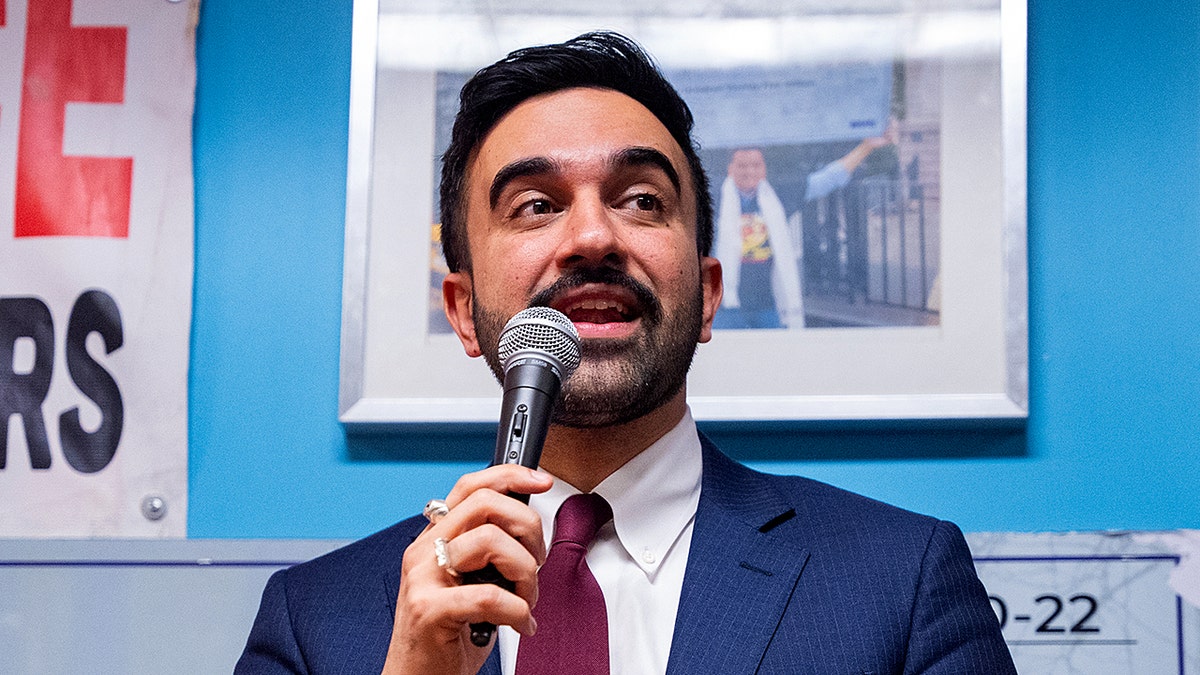
New York City Mayor Zohran Mamdani voiced his concerns, labeling the court’s decision as one of the major immigrant attacks in recent American history. He emphasized the risk for thousands of Haitians and Syrians who may lose their right to live and work in the United States.
Impact on Communities
The debate distinguishes between refugees and immigrants and their distinct influences on local populations. Immigrants often aim to assimilate, envisioning a long-term stay for themselves and future generations. Refugees, on the other hand, have the possibility of returning home, thus explaining the temporary aspect of their stay.
In cities like Springfield, Ohio, and Minneapolis, temporary status has led to large numbers of Haitians and Somalis living according to their home cultures with taxpayer benefits. This raises concerns for some local residents.
Businesses and organizations, such as the Chamber of Commerce, applaud this as they benefit from a subsidized workforce. However, local residents express apprehensions, feeling overwhelmed by the influx of foreign populations.
Community Concerns in Springfield
For the people of Springfield, the arrival of 20,000 non-native residents into a town of 50,000 altered local dynamics. Public schools grappled with accommodating French-speaking Haitians, challenging native-born students.
Housing issues arose as refugee families rented properties, limiting availability for local families. Rep. Brandon Gill, R-Texas, pointed out the cultural changes brought on by the large presence of Haitian refugees, some of whom had migrated from countries like Brazil and Chile.
Gill highlights the unintended consequences of granting TPS, emphasizing how local populations felt marginalized and labeled as prejudiced for opposing these changes.
Potential Solutions for Refugee Integration
Not all towns face such overwhelming challenges. Harrisonburg, Virginia, successfully manages as a refugee relocation site by limiting intakes to 200 annually and supporting training programs.
Springfield, by contrast, faced an abrupt transformation without community consent. This underscores the need for structured systems to facilitate smoother integration and ensure residents’ voices are heard.
Political Implications
The influx under President Biden raised concerns about TPS turning into a path for amnesty with additional government support. The intention to shelter those fleeing danger became a gateway for individuals seeking better living conditions.
The Supreme Court’s ruling reflects an opportunity to address these issues. While Trump pushed to remove such temporary migrants, local communities expressed dissatisfaction with their political representatives.
This dissatisfaction translated into electoral support for Trump, reflecting hopes for change and relief from the perceived pressures of refugee settlements.