Keiko Fujimori’s Presidential Victory and Its Implications
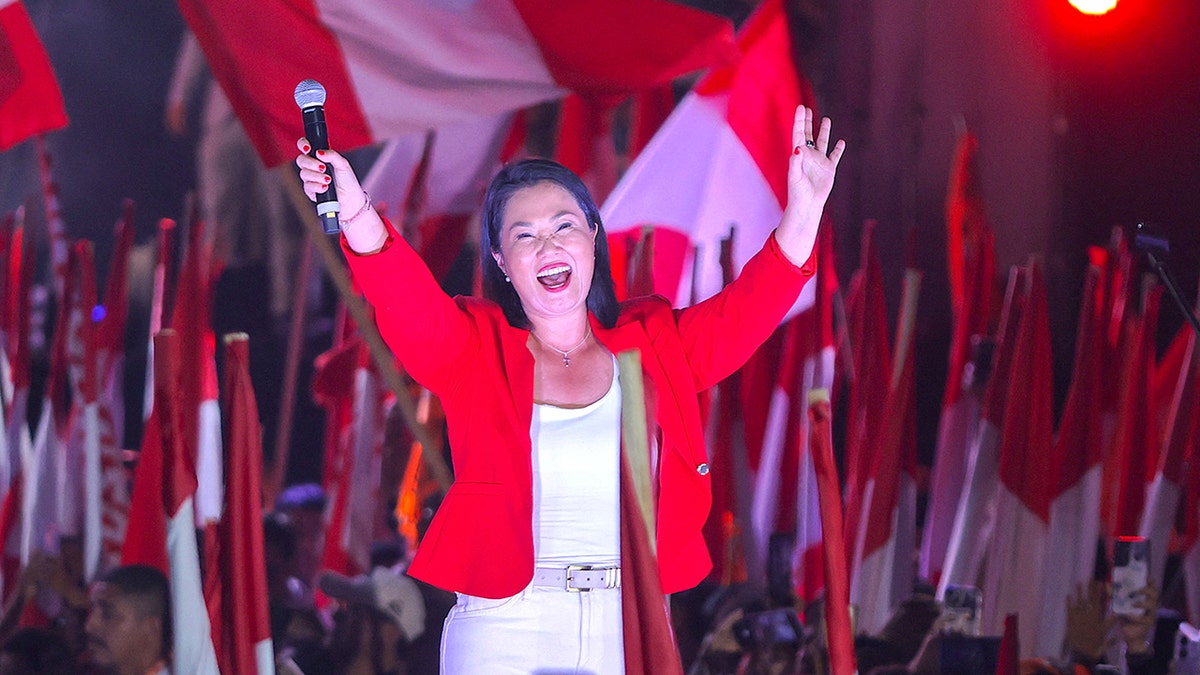
The U.S. State Department has extended congratulations to Keiko Fujimori following her narrow win in Peru’s presidential runoff election. This development by the State Department emphasizes the importance of Latin American relations, with Washington expressing readiness to collaborate with Fujimori’s administration on shared goals.
“The United States congratulates President-Elect Keiko Fujimori of Peru on her significant electoral win,” the department stated. “The Trump Administration is eager to enhance cooperation with the Fujimori Administration to progress security efforts and deepen bilateral collaboration on investment and trade within our region.”
As Washington aims to reinforce ties with market-friendly allies in Latin America, Fujimori’s victory aligns with these initiatives amid China’s expanding economic presence in the area. China recently finished constructing the Chancay deepwater port in Peru, a $1.3 billion project critical for China’s Pacific coast logistics.
Fujimori’s firm stance against organized crime corresponds with U.S. objectives to broaden regional security and anti-trafficking partnerships.
Secretary of State Marco Rubio looks on during a ceremony at the U.S. embassy in New Delhi.
Fujimori was declared the winner by Peru’s National Office of Electoral Processes (ONPE), responsible for tallying votes. However, the official proclamation from the National Jury of Elections (JNE) remains pending, as per Reuters. Fujimori secured 50.1% of the vote, triumphing by fewer than 50,000 votes out of nearly 18 million votes cast.
This win marks her fourth attempt at the presidency and establishes her as Peru’s first female president-elect. Her victory over left-leaning rival Roberto Sánchez concludes a contentious election period in a nation that has witnessed nine leaders within a decade. Fujimori is also the daughter of Alberto Fujimori, a former Peruvian president known for his 1990s governance.
Keiko Fujimori’s presidency symbolizes the return of her family’s political influence to the nation’s highest office, a legacy marked by a mixed relationship with the United States. Washington initially supported her father for his actions against communist rebels and economic measures, yet later criticized his administration over accusations of human rights violations and undermining democratic institutions.
For over two decades, Keiko Fujimori has worked on repositioning “Fujimorismo” as a modern conservative movement focused on law and order. Her campaign succeeded amidst rising violent crime and years of political disruption in Peru. Fujimori promises a rigid security approach and pledges protection of Peru’s market economy, contrasting her opponent’s focus on rural economic concerns.