Bundibugyo Virus Outbreak Complicates Efforts in Congo
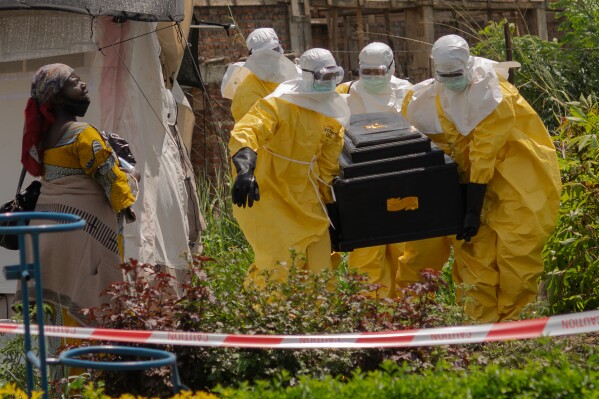
The outbreak of a virus in Congo suspected of causing over 130 deaths poses unique challenges. Unlike more common Ebola-causing viruses, there are no specific treatments or vaccines for this virus. Dr. Celine Gounder, an infectious disease specialist who treated patients during the 2014-2016 Ebola epidemic, explained the difficulties: “There’s nothing even close to ready for clinical trials.” This leaves responders and healthcare workers reliant on basic measures.
Dr. Vasee Moorthy from the WHO noted that the most promising vaccine candidate for Bundibugyo virus would be unavailable for at least six to nine months. This virus has caused two prior outbreaks in the Congo River basin. Dr. Tom Ksiazek from the University of Texas Medical Branch, who helped identify the virus in 2007, provided this history.
Transmission of Bundibugyo Virus
The virus spreads through contact with bodily fluids such as sweat, blood, feces, or vomit from sick or deceased patients. Healthcare workers and family members are at high risk. “Doctors and nurses are often among the first to be infected and to die,” said Gounder.
Potential Lethality
Bundibugyo virus may be less lethal than the Ebola or Sudan viruses but remains highly dangerous. With observed mortality rates over 30%, it remains a significant threat. Gounder noted that data is limited, impacting precise mortality assessments.
Patient Care Without Treatments
In previous Bundibugyo outbreaks, early case identification enabled a quick public health response. Equip healthcare workers with protective gear, isolate exposed individuals, and provide supportive care. Proper medical care, such as administering IV or oral fluids, reduces mortality significantly, Ksiazek stated.
Efforts to Contain the Outbreak
Health workers are isolating cases, tracing contacts, and educating the public to prevent virus spread. During the West African Ebola epidemic, safe burial methods significantly curbed the outbreak, Gounder highlighted. Protective equipment for health workers is crucial.
Lina Moses, an epidemiologist at Tulane University, emphasized non-vaccine public health tools such as contact tracing and testing. Despite current challenges, Moses noted that each of the 17 Ebola outbreaks in the Democratic Republic of the Congo has been contained.
Efforts continue as health workers strive to control the virus, relying on education and established practices to combat infectious disease without the aid of a vaccine.
___
The Associated Press acknowledges support from Howard Hughes Medical Institute’s Science and Educational Media Group and the Robert Wood Johnson Foundation but maintains sole responsibility for the content.