Understanding the Current El Niño Phenomenon
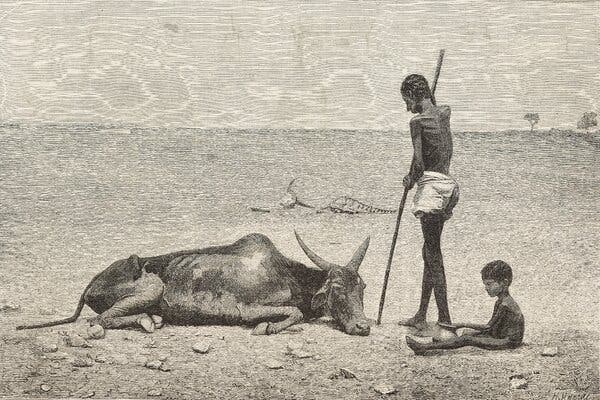
El Niño has had significant impacts on human history, according to researchers. This phenomenon involves shifts in Pacific Ocean winds and water temperatures, leading to global weather changes. Over time, El Niño events have caused droughts, heat waves, and epidemics. Some scholars link it to crises in ancient civilizations like Egypt and the Moche in Peru.
In 1877 and 1878, an El Niño-related famine resulted in millions of deaths in the tropics. This event deepened global inequalities, influencing the division into the ‘first world’ and ‘third world.’
Currently, a new El Niño phase is emerging. Researchers suggest it could be among the strongest yet. They highlight historical lessons showing that significant natural forces create instability and challenges.
Though the current El Niño is forming, its full impact remains uncertain. Yet, experts warn of potential global effects. Countries now use advanced monitoring and early warning systems, and agriculture has evolved. Many nations maintain strategic food reserves, reducing the risk of large-scale famine.
However, this El Niño may still stress the global system. Fertilizer shortages due to the Strait of Hormuz crisis are affecting farmers. Energy prices are climbing from conflicts in Ukraine and Iran, impacting national budgets. Reduced foreign aid from the United States and others has weakened safety nets in poorer countries.
Understanding El Niño’s potential impact highlights the need for preparedness and the importance of global cooperation in mitigating its effects.