Berlin’s Estrel Tower Marks New Era of Architecture
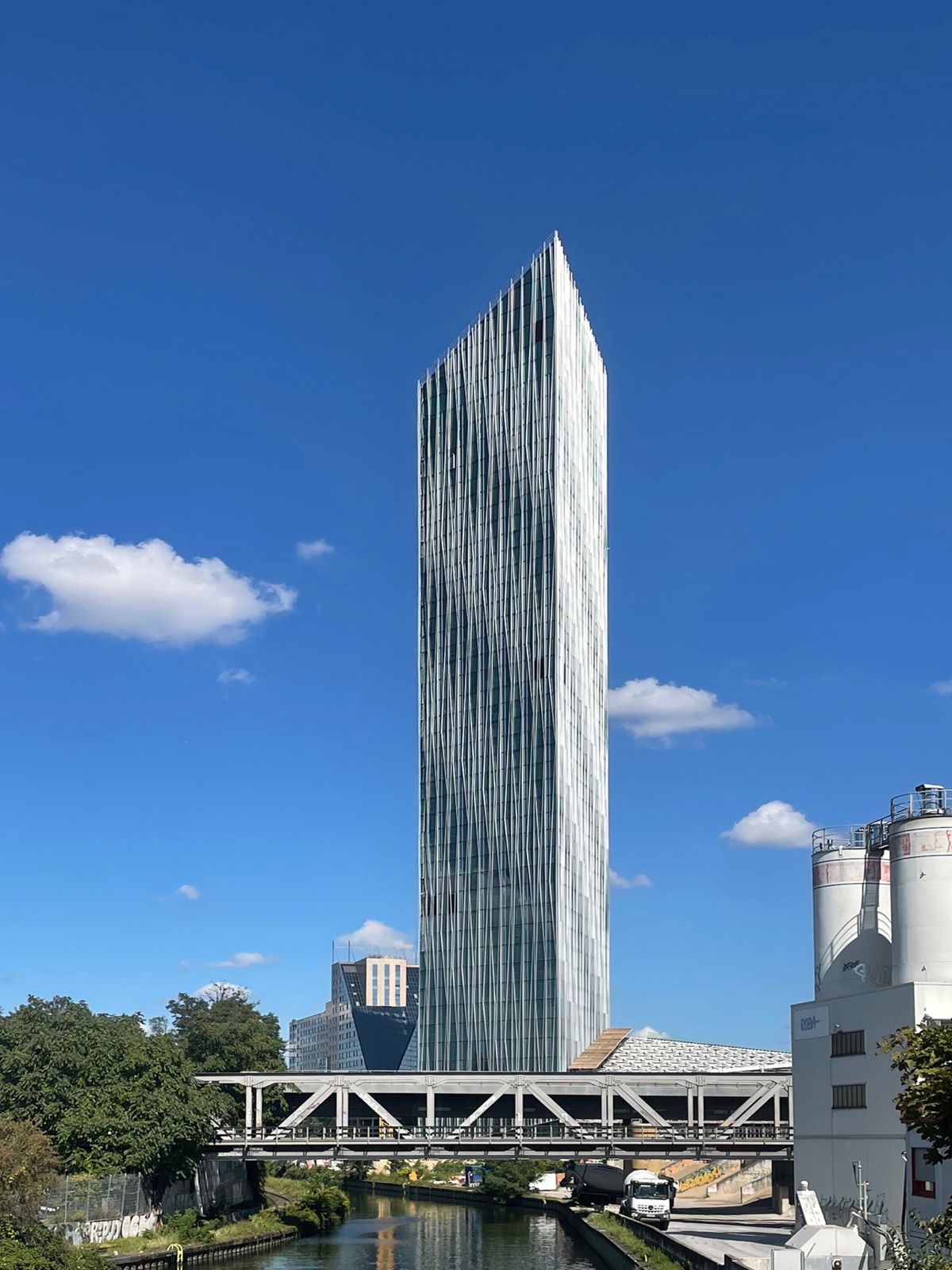
Berlin is reaching a milestone with the Estrel Tower’s completion. This 577-foot (176-meter) mixed-use building will become the tallest nontechnical structure in the German capital. According to the Council on Vertical Urbanism, skyscrapers typically rise above 150 meters, making the Estrel Tower Berlin’s first true skyscraper.
The tower is set to open at the end of 2026. It will host a hotel, workspace, gallery, restaurant, and bar. Designed by Berlin architecture firm Barkow Leibinger, the project departs from the city’s tradition of low-rise development and strict height limits.
Discussions about sustainability increasingly focus on preserving the carbon in older structures and extending their life span. Gordon Gill, the architect behind Jeddah Tower, the world’s tallest skyscraper, has noted opportunities in improving existing buildings’ sustainability and efficiency. Some architects warn that demolishing old structures could risk losing Germany’s historic character.
Bold Past and Future
Frank Barkow of Barkow Leibinger suggests tall buildings can contribute to a sustainable urban future when carefully designed. High-rises initially have a larger carbon footprint, but they offer long-term benefits. These include compact development, efficient land use, and multifunctionality in one structure.
Barkow describes the Estrel Tower as a singular landmark within Berlin’s urban landscape. Traditionally, Berlin adheres to a 22-meter cornice height, except for church spires. Estrel Tower stands alone, surrounded by lower buildings that respect historical context.
Unlike New York or Frankfurt, which have skyscraper districts, the Estrel Tower serves as a sole lighthouse—a beacon for the city. The tower and the existing Estrel Hotel create a gateway to the city, integrating lower structures around the main tower.
Sustainability and Design Challenges
Barkow emphasizes the tower’s innovative design. Its façade includes metal fins for solar shading, smart glazing, and operable windows. Low-carbon energy sources and water-retention systems are incorporated. A green roof aids in daylight maximization and energy reduction. The aim is to achieve LEED Platinum certification from the U.S. Green Building Council.
Logistics posed significant challenges. Berlin has limited experience with large-scale construction. Components like the façade and atrium roof were pre-manufactured off-site to streamline construction.
Barkow counters the criticism of tall buildings’ carbon footprint. He argues they are more compact and energy-efficient than urban sprawl over time. Tall buildings also allow programmatic flexibility, supporting varied uses such as housing, workspaces, and amenities.
A New Era for Berlin Architecture
Whether the Estrel Tower becomes a precedent for more skyscrapers in Berlin is uncertain. Barkow believes it signifies a shift. It sets a precedent for greater diversity, mixed-use development, and social interaction centers. Tall buildings, according to Barkow, are part of this solution.
Berlin seeks a balance between vertical growth and historical scale. This combination is seen as vital for the city’s future.