Rising Threat of Flea-Borne Illness in Texas: The Role of Pets
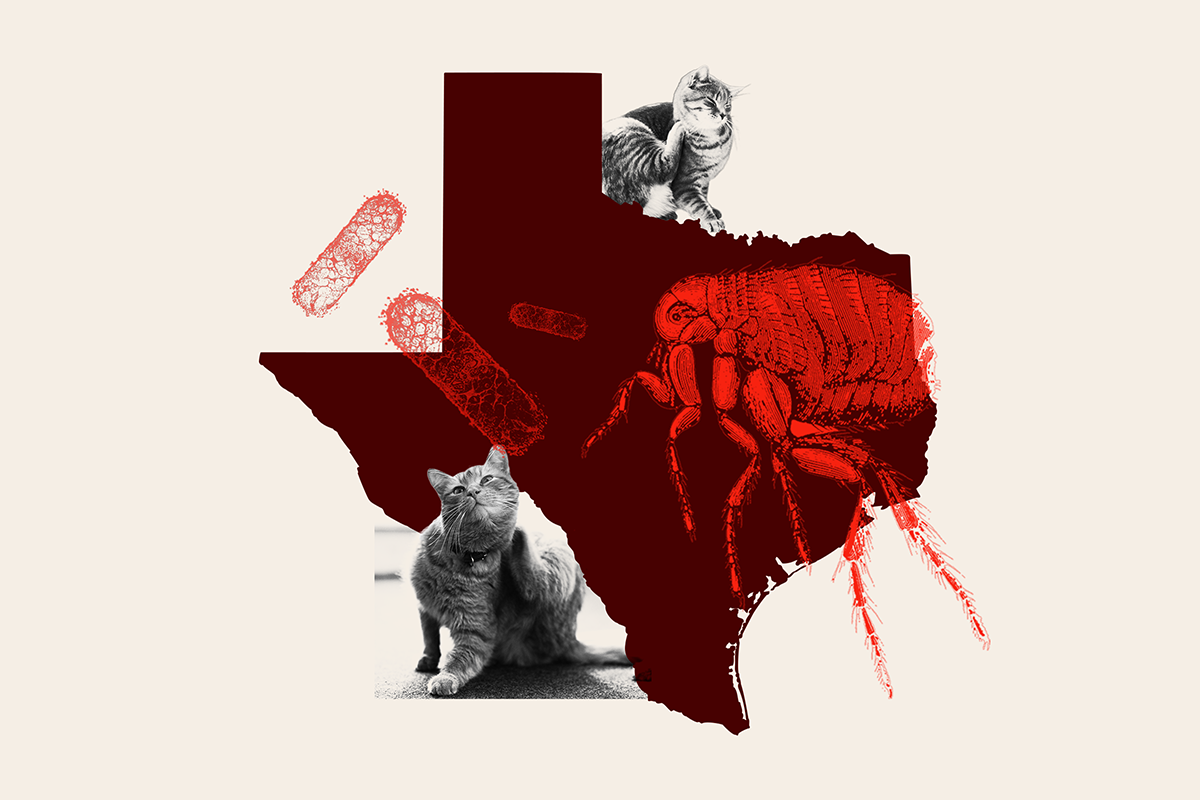
A once-dormant flea-borne disease is resurging in Texas, with domestic pets playing a role in its spread. Recent findings link fleas on household cats to the bacterium responsible for murine typhus. Although thought to be eradicated, this illness has hospitalized hundreds in Galveston.
A Disease Making an Unwelcome Comeback
Flea-borne typhus, or murine typhus, results from the bacterium Rickettsia typhi and spreads through infected fleas. Symptoms can appear between six to 14 days after exposure. These include fever, headache, chills, rash, backache, joint pain, and nausea. While most cases are mild, untreated infections may lead to hospitalization or worse outcomes.
Between 2019 and 2023, two people died from the disease.
The disease does not spread from person to person. It typically infects humans when flea feces containing the bacteria enter via a bite or mucous membranes. Fleas that feed on infected rodents are traditional carriers, yet cats may also contribute to its spread.
In a study by Texas A&M, published in Parasites & Vectors, researchers found DNA from R. typhi in fleas from domestic cats in the Rio Grande Valley. Out of 167 cats sampled, fleas from six tested positive. Though a small fraction, the region reported over 6,700 cases from 2008 to 2023.
The Importance of a ‘One Health’ Approach
The study highlights the need for a ‘One Health’ approach, connecting animal and human health matters. Cats rarely fall seriously ill from R. typhi, but managing flea infestations is crucial for protecting humans. The City of San Antonio Metropolitan Health District notes that flea-borne typhus remains endemic in certain areas, with cases above pre-pandemic levels in 2023 and 2024.
To prevent flea bites, the public is advised to use insect repellents, treat pets for fleas, and keep rodents away. It is essential to manage fleas before addressing rodent problems to prevent fleas from moving to humans.
The Human Toll in Galveston
The University of Texas conducted another study underscoring the disease’s severity. Out of 149 adults with murine typhus from April 2019 to October 2023, 119 needed hospitalization, with 33 in intensive care. Two died due to severe complications. Older age, obesity, diabetes, and kidney disease are significant risk factors.
Severe symptom manifestations include organ dysfunction, such as kidney issues and respiratory failure. Recent data from Galveston shows an increase in past infection evidence, rising from 1.2 percent in 2013 to 7.8 percent in 2021.
Dr. Sarah Hamer attributes increased cases to factors like abundant pet and stray cats, economic barriers to flea prevention, and warming temperatures.
Despite past vector-control efforts that nearly wiped it out, murine typhus is making a comeback in areas like South Texas, as reported cases confirm.